
Five thousand issues. That’s how many gaming magazines the Video Game History Foundation has now digitised and made freely available to the public — a milestone that would have felt unthinkable even a decade ago, when much of this material was mouldering in attics or heading for landfill.
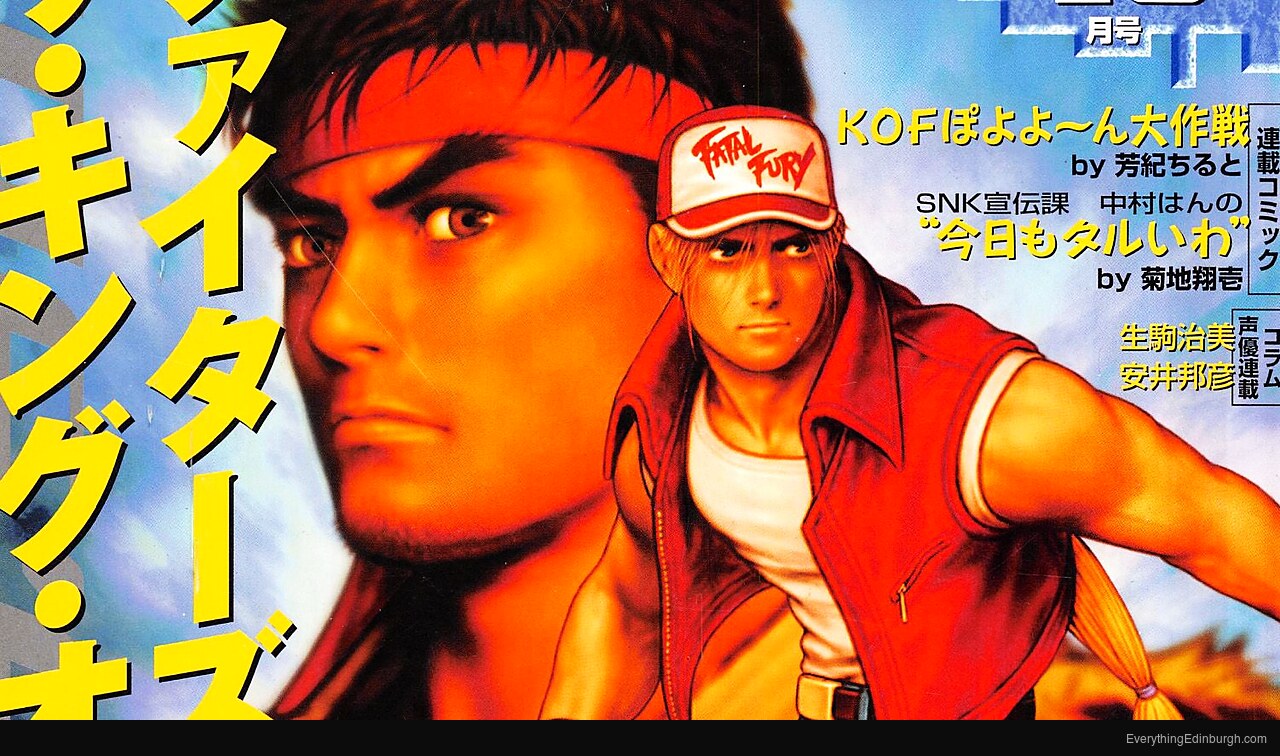
More than the number itself, though, the bigger news is where the archive is going next. The VGHF has begun expanding beyond English-language publications, and the first Japanese magazine to join the collection is Neo Geo Freak, the official magazine of SNK’s Neo Geo console that ran from 1995 to 2000.
Neo Geo Freak: The First Japanese Magazine in the Archive
Neo Geo Freak was the definitive reading material for fans of SNK’s hardware during its peak years — a publication that covered arcade fighting games, home cartridge releases, and the company’s ambitious platform with the kind of detail that general-interest magazines never could. Its complete run spans the mid-1990s to 2000, making it a primary document for one of gaming’s most distinctive periods.
The VGHF’s decision to start here is deliberate. SNK’s output — The King of Fighters, Metal Slug, Samurai Shodown — occupies an important place in gaming history that has historically been underrepresented in English-language archiving efforts. A full digitised run of Neo Geo Freak addresses that gap directly.
Why Digitising Japanese Gaming Magazines Is Harder Than It Sounds
Scanning an English-language gaming magazine and making it searchable is relatively straightforward: scan the pages, run optical character recognition, and the text becomes machine-readable. Japanese publications are considerably more complex. Kanji, hiragana, and katakana characters don’t respond reliably to standard OCR tools. Vertical typesetting, common in Japanese print media of the 1990s, creates additional complications. Specialist vocabulary — game titles, character names, developer credits — adds another layer of difficulty.
Rather than attempting to solve all of this with automated tools, the VGHF worked with professional archivists in Japan who directed them towards libraries specifically designed for Japanese document transcription. These were integrated into the same text-mapping toolset the foundation uses for its English-language scanning work.
The translation problem: Rather than machine-translating roughly 10,000 pages of Japanese text, the VGHF assembled Japanese-fluent volunteers to create English-language article indexes for each issue — a targeted, accurate approach to making the content searchable.
A Smarter Approach: Human Indexes Over Machine Translation
The most interesting part of the VGHF’s method for Japanese magazines is what they chose not to do. Mass automated translation of 10,000 pages would have been technically possible but practically unreliable — game titles, developer names, and technical jargon from the 1990s are exactly the kind of content that trips up large-language models and OCR translation pipelines.
“Rather than attempting to translate 10,000 pages of Japanese text, we assembled a group of Japanese-fluent volunteers to create a list of major articles and interviews for each issue. We think this is a practical and efficient method for making these magazines’ contents more accessible, while avoiding the pitfalls associated with automated bulk translation.” — Video Game History Foundation
The result is a searchable English index for each issue: you can find that a specific issue contains a particular developer interview or a review of a specific cartridge without needing to read Japanese. The underlying content remains authentic; only the navigation layer is translated. It’s an elegant solution to a genuine archival problem, and one that other digitisation projects may well adopt.
How to Access the Free Archive
The VGHF’s digital archive is publicly accessible at archive.gamehistory.org. The collection covers more than 5,000 issues across dozens of titles, all available free of charge. Existing favourites include Edge, GameFan, and a wide range of regional gaming magazines that existed long before the internet made print media redundant.
For researchers, collectors, and anyone with a fondness for the games of the pre-streaming era, the archive represents something genuinely valuable: a searchable, preserved record of how games were written about, promoted, and consumed across decades. The Neo Geo Freak addition signals that the scope is now deliberately broadening — and with more than 500 issues of Japanese console magazines already in the VGHF’s physical collection, Neo Geo Freak is very likely not the last.