
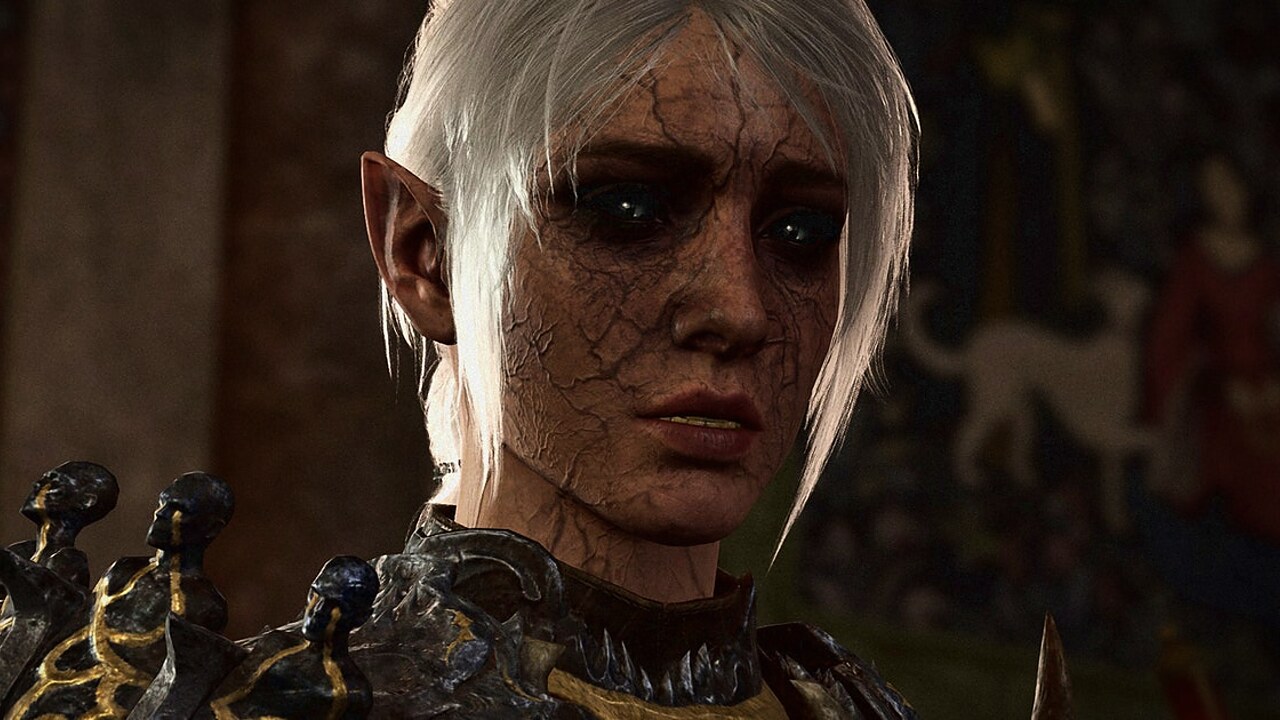
Zevlor has died 12.31 million times. Rolan: 8.62 million. Isobel: 7.2 million. In the three years since Baldur’s Gate 3 launched, players have been quietly and enthusiastically working their way through the game’s roster of story NPCs — and the numbers Larian Studios just released for the game’s third anniversary are revealing in ways that go well beyond the leaderboard.
The headline stat sounds predictable enough. What’s genuinely surprising is who’s been doing the killing.

The Most-Killed Story NPCs in Baldur’s Gate 3
Larian released an infographic alongside the third anniversary data detailing which story characters met their end most often across all playthroughs. These figures account for deaths both directly caused by player action and those resulting from choices that led to NPC fatalities down the line — it’s a broader sweep than just “I drew my sword,” capturing every time someone didn’t save Barcus from the windmill or didn’t make it to Isobel in time.
BG3 NPC Death Leaderboard:
🥇 Zevlor — 12.31 million deaths
🥈 Rolan — 8.62 million
🥉 Isobel — 7.20 million
4. Volo — 4.62 million
5. Barcus — 2.66 million (80% from the windmill incident)
6. Alfira — 2.62 million
Zevlor’s lead makes sense to anyone who’s spent time in the Druid’s Grove — he’s argumentative, morally compromised, and occupies a central role in one of the game’s more consequential Act 1 decisions. Poor Barcus Wulroot’s 2.66 million deaths, by contrast, are mostly down to the windmill: roughly 2.1 million of his total came from players letting him spin.
The Dark Urge Twist: ‘Regular’ Players Are Murderers Too
Here’s where the data gets interesting. The Dark Urge is Baldur’s Gate 3’s canonical “evil” origin — a player character built around compulsive homicide, literally descended from the murder god Bhaal. You’d expect Dark Urge runs to account for most NPC deaths. You’d be wrong.
Larian confirmed that “more non-Dark Urge players have managed to murder Alfira than Dark Urge players” — meaning the sweet, blameless bard you encounter at the grove in Act 1 is being killed more often by players running ostensibly heroic characters than by players actively trying to embody a murderer. The data for Dark Urge kill percentages tells its own story: Isobel was killed in 62% of Dark Urge runs, Zevlor in 49%, and Alfira in 48% — all high, but not 100%, suggesting plenty of Dark Urge players are exercising restraint. Regular players, apparently, are not extending the same courtesy to poor Alfira.
Larian’s conclusion: “Durge or no Durge, she gonna die.”
Favourite Weapons for the Final Boss Fight
The data also covers what weapons players reached for when facing the Netherbrain in the game’s climactic final battle. The winner is the legendary longbow Gontr Mael, used 33.4 million times. Balduran’s Giantslayer came second with 25.5 million uses, followed by the Emperor’s Staff at 22.6 million.
Gontr Mael, used 33.4 million times in the final battle — BG3’s most-trusted weapon at the moment it mattered most.
The spread suggests players favour high-damage ranged and two-handed options for the endgame, though the sheer volume of different weapons in BG3’s final-act pool means there’s room for plenty of niche choices beyond the top three.
Three Years of Truly Odd Data
Anniversary statistics rarely come without some genuinely baffling entries, and Larian didn’t disappoint. Poo-Scraper — a blade that is exactly what the name suggests, belonging to the quasit companion Shovel — has been used in combat in Act 3 a grand total of four times across all playthroughs. Four. In what is presumably millions of Act 3 runs.
Nine thousand players have completed a playthrough on a portrait-orientation monitor. Modders have collectively downloaded Baldur’s Gate 3 mods 500 million times since launch. The game also went on sale for its third birthday, hitting a new price low on both Steam and PS5 — suggesting the Larian publicity machine has no intention of letting the anniversary pass quietly.
Three years in, the data paints a fairly consistent picture: Baldur’s Gate 3 was built to reward chaos, and its players have responded to that invitation with genuine enthusiasm. Whether you’re playing a Dark Urge murderer or a well-intentioned hero who keeps somehow ending up with Alfira’s blood on their hands, the statistics suggest the line between good and evil in BG3 is considerably blurrier than the game’s morality system might like to admit.