When Microsoft restructured its Xbox division in July 2026, affecting more than 3,000 roles and spinning several studios out of its first-party organisation, two came out in the best possible position: independence with their intellectual property intact. On 11 August, Compulsion Games’ deal closed. The Montreal studio is its own company again — and it owns every game it has ever made.
CEO Guillaume Provost confirmed the management buyout’s completion in an interview with GamesBeat published on 20 August. The terms of the deal were not disclosed. What is clear is that management, not an outside investor or publisher, now owns the company.

Eight Years Inside Xbox
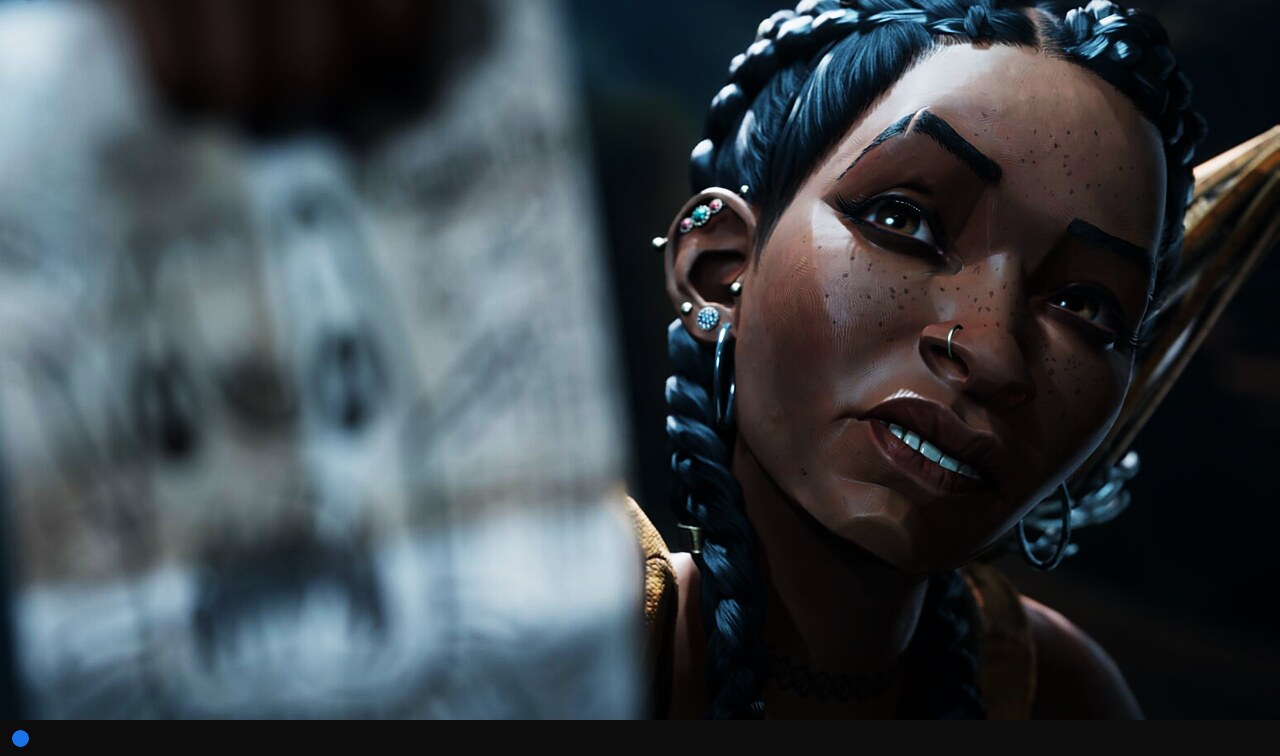
Microsoft acquired Compulsion in 2018, when the studio employed around 38 developers. The acquisition came after Compulsion had already released Contrast and We Happy Few as an independent studio. Under Xbox, the team grew and spent years developing South of Midnight, an action-adventure set in a gothic American Deep South, which launched on 8 April 2025 to strong critical reception — including a BAFTA nomination.
South of Midnight was Compulsion’s only release under Xbox ownership. With the buyout complete, the studio’s full catalogue — Contrast, We Happy Few, and South of Midnight — returns to its direct ownership. The publishing rights to each title are in the process of transferring across platform stores. The Steam version of South of Midnight already lists Compulsion Games as publisher rather than Microsoft; the Xbox, PlayStation, and Nintendo stores are still being updated through the legal process.
A Deal Built Around the Team
Provost was direct about his priorities when the restructuring talks began. The first question he asked was whether the team wanted to stay together. The structure of the deal follows from that answer.
“I can confirm we have regained ownership of our IP, and that the publishing rights are transferring back to Compulsion. It’s just that there’s a transition period where that happens with different platform holders. Buying the games is supporting the studio as a result of that change.” — Guillaume Provost, CEO, Compulsion Games
In a separate comment, Provost elaborated on the personal dimension: “I did this deal for the team first and foremost. I asked the team, ‘Do you want to stay together?'” The management buyout structure means no external party now holds the company — the people who make the games own the place they make them.
What Buying Their Games Means Now
The practical upshot for players is straightforward: revenue from Compulsion’s games now flows to the studio rather than to Microsoft. That transition has already taken effect on Steam. Other storefronts are following as the platform-side paperwork is completed, a process Provost acknowledged takes time to work through with different platform holders.
Compulsion was one of two studios in the Xbox restructuring given the specific outcome of independence with full IP rights. Double Fine, the San Francisco studio behind Psychonauts 2, completed a similar transition and has since confirmed it is reviving its Amnesia Fortnight game jam as a Kickstarter campaign. Ninja Theory and Undead Labs, by contrast, were sold to buyers Microsoft has not named publicly. The variation in outcomes across the restructuring suggests studios were given some degree of choice, or at minimum that Compulsion’s team negotiated effectively for theirs.
What’s Next for Compulsion?
Part of the team is already working on a game that was in development before the separation began. Provost has said the studio is also in talks about potential partnerships with other studios and IP holders — conversations that were not possible, or at least not straightforward, while operating inside Microsoft’s corporate structure.
The studio that made We Happy Few — a game about a dystopian society that forces its citizens to chemically maintain a performative happiness — is once again in a position to choose its own path. The irony of that context may not be lost on the team. Whether the next Compulsion game emerges from the title already in development or from a new partnership remains to be seen. Either way, the revenue from playing their back catalogue goes somewhere that matters now.