
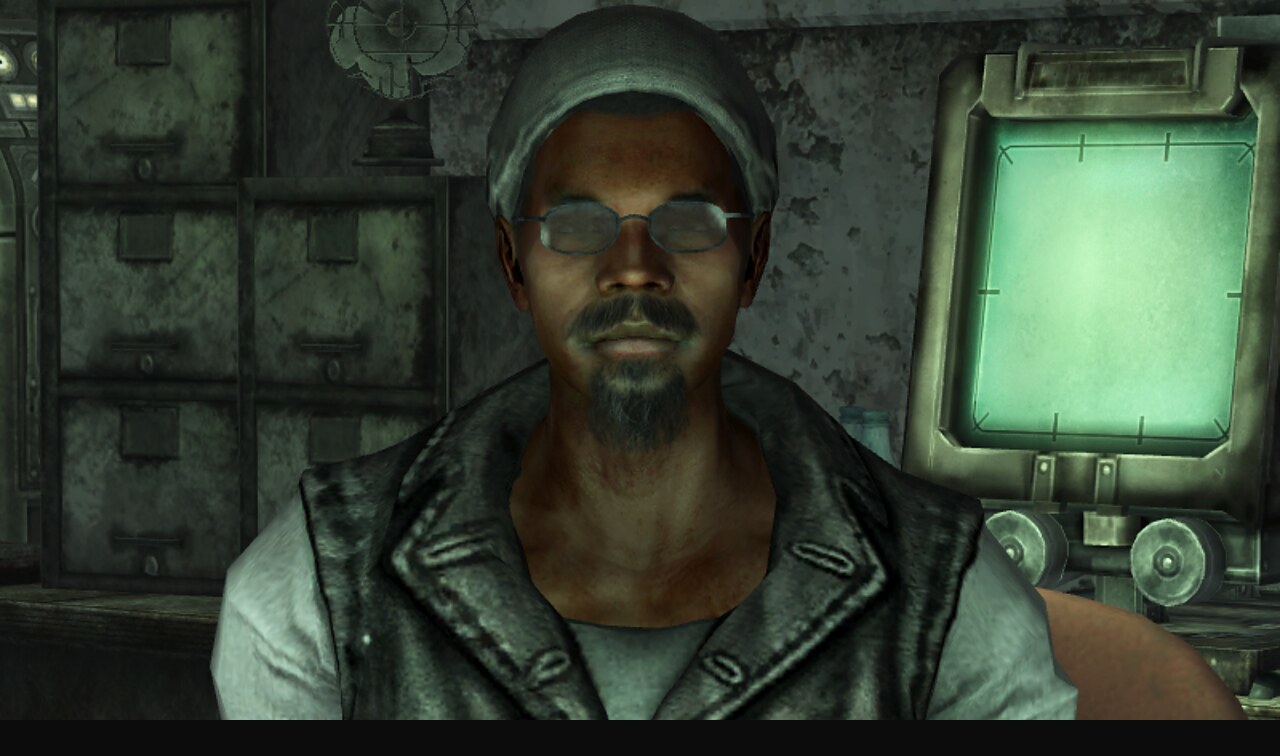
“It’s 100-percent not what we intended, and it was very, very constrained.” That’s Nate Purkeypile, former Bethesda artist and the man behind some of Fallout 3’s most memorable locations, talking about the gap between what the team envisioned in 2008 and what actually shipped. Now that Bethesda has officially confirmed a Fallout 3 remaster is in the works, Purkeypile is genuinely excited — and he has better reasons than most.
Speaking to YouTube channel The Examined Game, Purkeypile opened up about his years at Bethesda Game Studios, where he worked as an artist across Fallout 3, Skyrim, Fallout 4, and Starfield, eventually becoming lead artist on Fallout 76. The conversation ranged across his entire career, but it was his reflections on Fallout 3 that caught the most attention — particularly his candid admission that the game’s visuals never matched the team’s creative ambitions.

“Super Tech-Constrained”: Fallout 3’s Development Reality
When Fallout 3 launched in October 2008, it was a commercial juggernaut that helped cement Bethesda’s reputation as a maker of vast, immersive open-world RPGs. But behind the scenes, the development team was fighting a losing battle against the hardware of the era.
“We were super tech-constrained making Fallout 3,” Purkeypile explained. “You could only place so many lights, and again textures are pretty small. And constantly worrying about the memory budgets, or how much stuff you’re putting on screen. So it’s not like it’s exactly how we intended.”
For a game built on the Gamebryo engine — a piece of middleware already showing its age by 2008 — these weren’t minor inconveniences. They were fundamental limitations that shaped every artistic decision, from how many clutter objects could fill a ruined living room to how many light sources could illuminate a single corridor in Vault 101.
Key point: Purkeypile worked on Fallout 3 as a world artist, creating Little Lamplight — the underground settlement populated entirely by children — and later designed Diamond City for Fallout 4 and the sprawling Blackreach for Skyrim.
From Little Lamplight to Diamond City: A Bethesda Legacy
Purkeypile’s credits at Bethesda read like a guided tour of the studio’s most iconic locations. He built Little Lamplight in Fallout 3, the eerie subterranean village that left players both charmed and unsettled. He crafted Blackreach, the enormous underground cavern in Skyrim that became one of gaming’s most talked-about discovery moments. He designed Diamond City, the Fenway Park-turned-settlement that served as Fallout 4’s central hub.
After 14 years at the studio, he left to found his own indie studio, Just Perky Games, where he developed The Axis Unseen — a stealth-archer bowhunting FPS. But his time building the Capital Wasteland clearly left a mark, and the prospect of seeing those environments freed from 2008’s technical shackles is something he takes personally.
His comments also touch on a broader tension in game development that’s worth considering. When artists are given better tools and more powerful hardware, does the result always improve? Or do constraints sometimes produce a specific creative magic that better technology can’t replicate?
Why Remasters Can Actually Fix Things
Purkeypile is refreshingly pragmatic about this question. He acknowledges that not every remaster improves on the original, drawing a sharp distinction between lazy upgrades and genuine remakes.
“Even before I was doing games professionally, I started making games before we had colour,” he said. “So I’ve seen it change dramatically over time. I think a lot of these remakes have been done, frankly, better lately, too. The Resident Evil ones and stuff, those were fantastic. Whereas for a while, I think a lot of those updates were just like, oh, we made the textures a little bit bigger and ran them through a sharpen filter in Photoshop, and it doesn’t really look that much better.”
It’s a fair assessment. The Capcom Resident Evil remakes have set a high bar, rebuilding classic survival horror games from the ground up with modern engines and reimagined gameplay. If Bethesda’s Fallout 3 remaster follows a similar philosophy — rather than simply upscaling textures and calling it a day — Purkeypile’s original vision for the Capital Wasteland might finally get the presentation it always deserved.
The Roadmap That Made It Official
Purkeypile’s comments come just weeks after Bethesda used a studio blog post to formally confirm what had been rumoured for years: remasters of both Fallout 3 and Fallout: New Vegas are in active development. The announcement was part of a wider roadmap that also confirmed Fallout 5 as the studio’s “long-range destination,” a separate unannounced Fallout project in collaboration with Obsidian Entertainment, and a major Fallout 76 expansion called Raven Rock planned for 2027.
The existence of a Fallout 3 remaster had been an open secret since at least 2020, when court documents from the FTC’s litigation over Microsoft’s acquisition of Activision Blizzard referenced the project. Renewed interest from the Fallout TV series, which premiered on Amazon Prime in December 2025, only intensified speculation. But until that July blog post, Bethesda had never publicly acknowledged the remaster’s existence.
No release date has been given for either the Fallout 3 or New Vegas remaster, and Bethesda’s careful phrasing — “we have been working on remasters” — suggests both projects are still some way from launch. Still, for the artists who originally built the Capital Wasteland with one hand tied behind their backs by 2008 hardware, the confirmation alone is worth celebrating.
Whether the remaster can capture what made Fallout 3 special while simultaneously delivering the visual fidelity the team always wanted remains to be seen. But if Purkeypile’s enthusiasm is anything to go by, the people who built the original are just as curious as the rest of us to find out.