
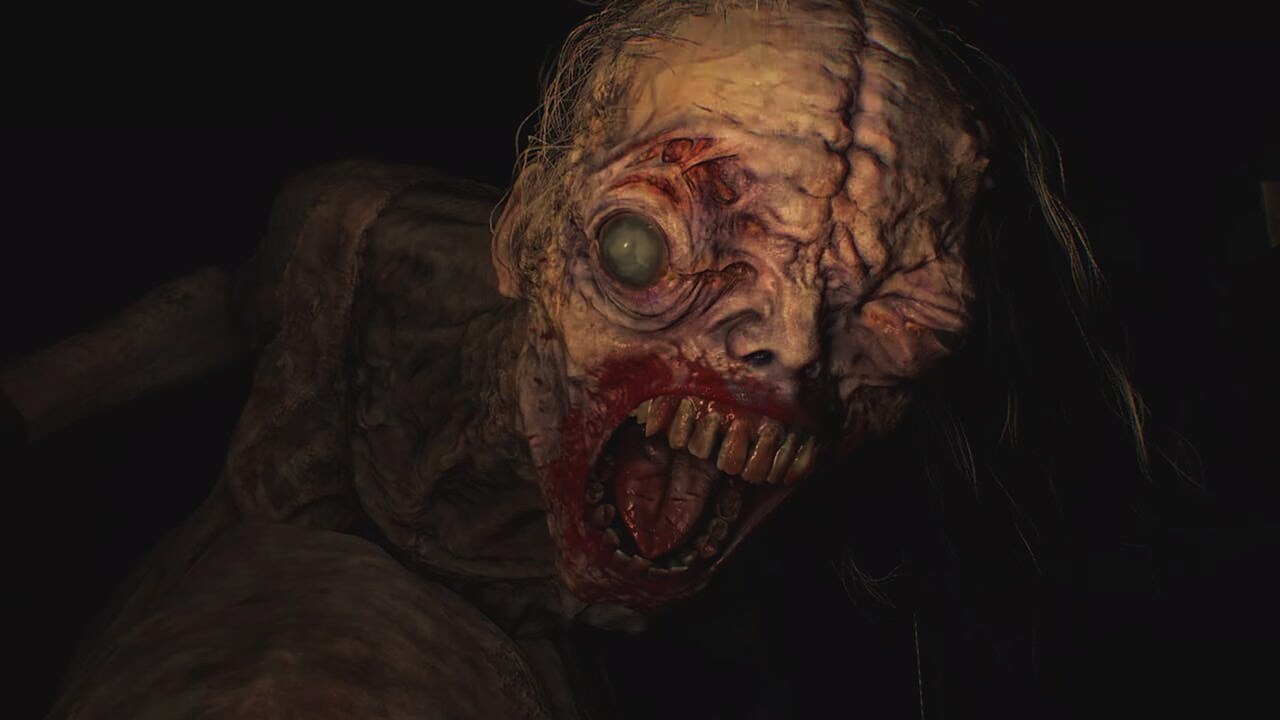
What does it mean when the man who directed Resident Evil 2 can no longer get through a Resident Evil game?
That’s the quietly interesting question at the centre of a new interview with Hideki Kamiya, Clovers Inc. boss and creator of the 1998 original that defined survival horror for a generation. Speaking to Video Games Chronicle, Kamiya has confirmed — once again, emphatically — that he is completely serious about his request for Capcom to add a non-scary mode to the Resident Evil series. And this time, he’s added a diagnosis: the developers have grown numb to how frightening their own games actually are.

Kamiya and Horror: A Complicated History
Hideki Kamiya is famous for games that demand a great deal from their players — Devil May Cry, Bayonetta, Okami. Horror, however, has never been his genre of choice, even though his fingerprints are all over its defining franchise. He’s said he was scared while making Resident Evil 2, and that knowing the game inside out was the only reason he could get through it. Now, decades later, he can’t get through Resident Evil Requiem at all.
Resident Evil Requiem, the latest mainline entry in the series, brings Leon Kennedy back to Raccoon City — the setting Kamiya himself built in 1998. He wanted to see what Capcom had done with it. The game turned out to be too scary for him to finish.
What He Actually Wants From Capcom
Kamiya’s proposal is both specific and, deliberately, a little ridiculous. He wants an optional non-horror mode. Not a difficulty reduction — Resident Evil already has that — but a full horror de-escalation setting. In a tweet earlier in 2026, he sketched out what that might look like:
“The zombies get all cute, the blood splatters turn into cherry blossom petals, the music becomes this upbeat, feel-good kind of tune, and you can just purely enjoy the puzzles and battles in a fun mood.”
He’s also suggested alternative tweaks: zombies with brown paper bags over their faces, pleasant mood lighting instead of dark corridors, no blood. The point, he’s made clear, is that even minor changes would allow people like him to experience the puzzle-solving and combat that the games do well, without the horror elements that make them unplayable for a significant portion of the audience.
Context: Kamiya points to Bayonetta as a precedent — the game he directed includes accessibility and content options that adjust the experience significantly without removing what makes it distinctive.
‘Numb to How Scary It Is’ — The Actual Argument
The more pointed part of Kamiya’s VGC interview is the explanation for why this hasn’t happened. His theory: the Resident Evil teams at Capcom have lost the ability to judge their own work objectively.
“Anybody who’s on the Resident Evil teams at Capcom, at this point, they must all be completely numb to how scary the thing they’re making is,” he said. “I talk to folks who are on the Resident Evil teams at Capcom just privately, and I tell them that their games are way too scary, and they’re like, ‘What? Come on, they’re not that scary.’ They seriously seem to have no awareness of how scary the things they make actually are.”
He’s taken it to senior level. “I told Takeuchi-san to his face, ‘Your games are too scary!'” — referring to Resident Evil series producer Jun Takeuchi — and the response was dismissal. When Capcom sends him review codes, he writes back to thank them, explains the game is too scary to play, and the studio responds telling him it’s not that bad. The loop goes nowhere.
Capcom Hasn’t Listened — But the Point Stands
Kamiya isn’t calling for Resident Evil to stop being a horror game. He’s asking for optionality — the same approach that the broader Resident Evil franchise has taken with difficulty settings, language options, and content warnings. Horror as a hard-locked default, with no exit for players who want to engage with everything else the games offer, is a design decision that costs real audience.
Capcom shows no sign of adding the mode. A remake of Code Veronica — one of the series’ more relentlessly stressful entries — is already in production for next year. Resident Evil isn’t getting softer. What Kamiya is describing, though, isn’t softness; it’s range. The man who built the Raccoon City Police Department can’t walk through it anymore. That’s not a personal failing. It’s a product feedback loop that Capcom has been ignoring for years.