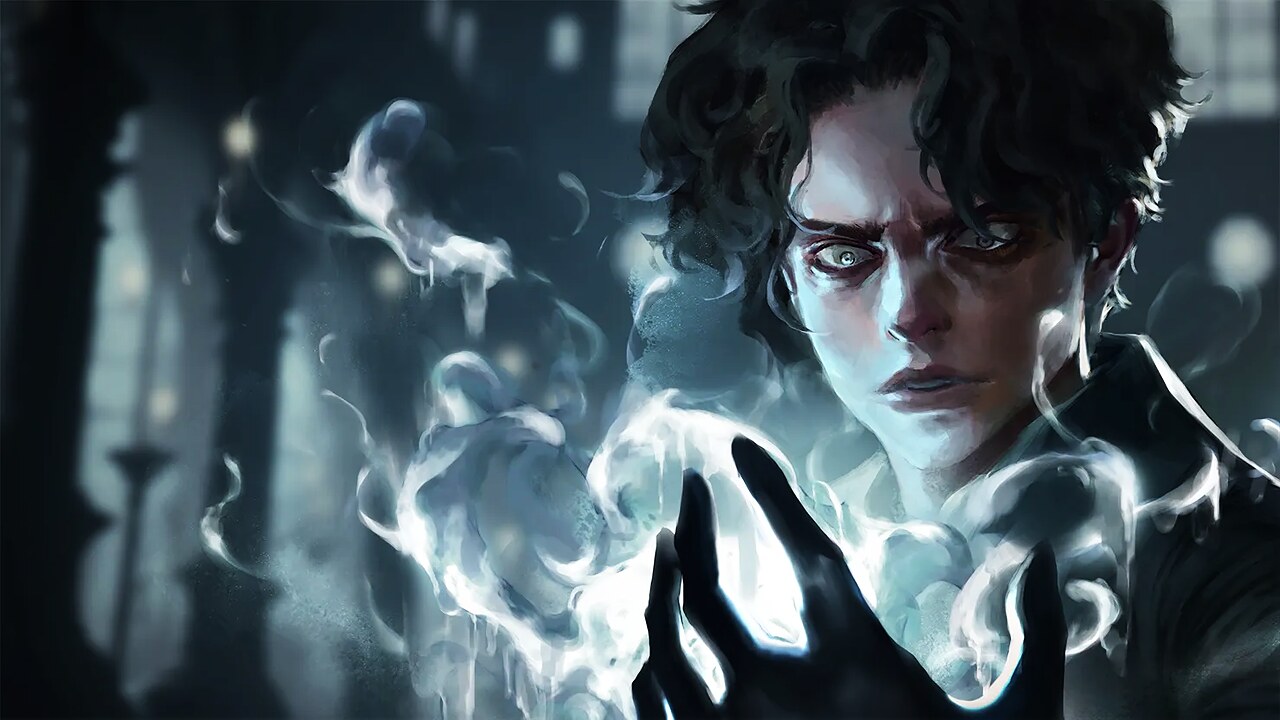
Before most players had finished Vapor World’s opening cutscene, the Steam reviews had already started. Not about the gameplay, not about the story — about the very first thing they saw. “Saw the very first cutscene, before any gameplay, and how the generative AI they used couldn’t even keep the main character’s model consistent,” wrote one reviewer, now flagged as the most helpful on the page. That reviewer said they’d play it anyway. Most didn’t.
Vapor World: Over The Mind, developed by ALIVE Inc and Boltray Games, arrived on Steam as a genuinely promising indie title. The core game showed clear craft and effort. But one decision — swapping out in-engine cutscenes for AI-generated replacements — buried that goodwill before it had a chance to build.

A Strong Game Undone by Its Own First Scene
The gap between Vapor World’s in-game art and its AI cutscenes was, by most accounts, obvious. The studio originally composed the cutscenes in-engine, then later replaced them with AI-generated versions. The result compared unfavourably to the game’s own hand-crafted visuals — character models inconsistent from shot to shot, the kind of generative AI output that players have become increasingly quick to identify and reject.
Steam’s patience for AI-generated content has narrowed considerably in 2026. Players aren’t opposed to tools used in game development — they’re opposed to visible shortcuts that undercut the experience. The distinction matters: AI used in backend pipelines largely goes unnoticed. AI that’s front and centre in a story-heavy sequence does not.
Vapor World landed on 64 mostly negative reviews at launch, sitting at a 36% approval rating. The quality of the underlying game was largely beside the point in the early hours.
The Director Speaks — and the Cutscenes Come Down
“Firstly, from this moment on, we will not use AI-generated cutscenes. Secondly, we will remove all AI cutscenes and completely replace them with our own original content. We tried for a very long time to tell the story of this game with cutscenes made entirely by ourselves. Each time the result was terrible. We concluded that we could not properly convey the complex and difficult narrative of this game in this way, and that is why we turned to AI. But if this choice worsened your impression of the game, the fault lies not with the tool — it is in our own shortcomings.”
Game director Young Kim addressed the community directly after the backlash hit. The statement is unusually candid — an admission not just that the decision was wrong, but that the studio’s own limitations drove it there. The original in-engine cutscenes, imperfect as they were, have since been restored. A patch removing all AI-generated scenes went out within days of launch.
Not the First Studio to Learn This the Hard Way
Vapor World joins a line of studios who have announced and then reversed AI use after significant community pushback. Larian Studios and Sandfall Interactive are among those who have faced the same sequence: AI content discovered, backlash arrives, studio steps back. The pattern suggests it isn’t being absorbed as a lesson across the industry so much as repeated individually by each studio that encounters it.
The core issue, as PC Gamer’s coverage of the Vapor World story noted, is not the tool. Studios using generative AI to assist production processes that players never see generally don’t encounter this kind of response. The word ‘slop’ — shorthand on Steam for AI-generated content that was never properly reviewed or edited — tends to get applied specifically when visible creative elements feel automated rather than crafted. The problem is specifically the use of AI-generated content as a substitute for the creative work players came for — cutscenes, character design, dialogue.
Steam’s AI disclosure rules: As of 2026, developers must declare whether AI-generated content appears in anything players can see or hear. Backend tools are exempt from disclosure requirements.
What This Tells Us About Steam Players in 2026
Steam players are not uniformly opposed to AI in game development. What they are opposed to is the perception that AI was used to cut a corner they were going to notice. Inconsistent character models in a story-driven cutscene read as exactly that — not an interesting stylistic choice, not an experimental technique, but a shortcut taken in the hope no one would look too closely.
Vapor World’s developers clearly cared about their game. The decision to use AI for the cutscenes was, by their own account, a response to genuine difficulty — not a cost-cutting exercise but an attempt to solve a creative problem they hadn’t been able to crack. Steam’s player base didn’t see it that way, and in the current climate, the perception is what counts.
Whether the restored cutscenes will be enough to turn the reviews around remains to be seen. What’s certain is that another studio has now added its name to a growing list of teams who underestimated how closely players are watching.