
The last time Marvel ran a two-part Avengers event, fans had plenty to keep them occupied during the wait. Between Avengers: Infinity War in April 2018 and Avengers: Endgame in April 2019, the studio released Ant-Man and the Wasp and Captain Marvel — with Spider-Man: Far From Home arriving just two months after Endgame to ease the landing. This time, Marvel Studios is doing something very different.
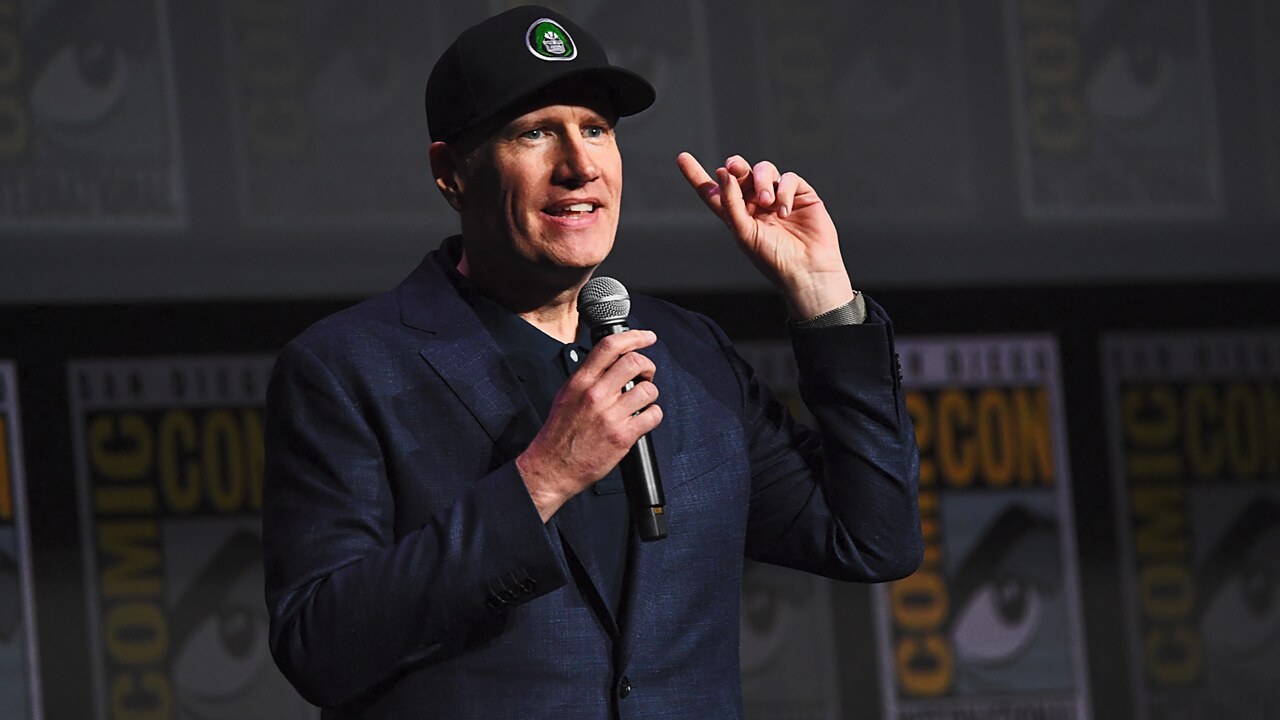
Kevin Feige has confirmed that Avengers: Secret Wars will be the only MCU film released in 2027. No Marvel films are planned between Avengers: Doomsday’s December 2026 premiere and Secret Wars’ December 2027 arrival — a deliberate year of near-silence from a studio that spent much of the post-Endgame era releasing content at a pace even its most devoted fans found hard to keep up with.
One Film, One Year: How 2027 Shapes Up
Avengers: Doomsday is scheduled for 18 December 2026. Avengers: Secret Wars follows on 17 December 2027. Between those two dates, the Marvel Cinematic Universe schedule is entirely blank. No films, and significantly fewer television series than the studio was producing two or three years ago.
This is a notable shift. At its peak output, Marvel was releasing three to four feature films a year alongside a constant stream of Disney+ series. The four-film year of 2021 — which included Black Widow, Shang-Chi, Eternals, and Spider-Man: No Way Home — came after pandemic scheduling reshuffles, but even in normal years the pipeline was relentless. The 2027 schedule represents the most focused Marvel release period in over a decade.
Key dates: Avengers: Doomsday — 18 December 2026 · Avengers: Secret Wars — 17 December 2027 · Next confirmed 2028 releases: Ghost Rider · Black Panther III
Feige’s Quality Argument — and the Admission Behind It
Speaking to Empire magazine, Feige was direct about the reasoning. “A lot of it is a strategy we’ve talked about for a while, of focusing on quality,” he said. “We always try to focus on quality, but when quantity is so much, you get spread thin. We didn’t want to be spread thin, and the Avengers is as important as it comes.”
The statement carries weight because Feige has previously acknowledged — more candidly than most studio executives tend to — that Marvel’s output in the years following Endgame became excessive. In an earlier interview, he admitted that the studio produced over 127 hours of content in six years post-Endgame, more than double its output from the previous twelve years. “For the first time ever,” he said, “quantity trumped quality.”
The consequences were visible. Ant-Man and the Wasp: Quantumania and The Marvels both underperformed at the box office in 2023 and received mixed critical responses. By 2024, the studio had pulled back — releasing only one film that year, Deadpool & Wolverine, which was a major commercial success. The current strategy appears to be the natural continuation of that course correction.
How This Differs From Infinity War to Endgame
The Infinity War to Endgame gap is the obvious comparison, and the contrast is instructive. Marvel filled that year with two films — Ant-Man and the Wasp serving as a lighter palette-cleanser after Infinity War’s devastating finale, and Captain Marvel arriving as both a standalone origin story and direct Endgame setup. Then Spider-Man: Far From Home dropped in July 2019 to wrap up the Endgame aftermath.
None of that is happening this time. The gap between Avengers: Doomsday and Secret Wars will be defined by its absence — which is a creative and commercial bet that audiences will arrive for Secret Wars with their enthusiasm intact rather than diluted by a string of mid-tier releases in between. Whether that holds over a year of near-silence remains to be seen, though the approach clearly signals Marvel’s confidence in the two Avengers films as self-sufficient events.
“Secret Wars, in particular, is a setup in and of itself to the future, to what’s next. So really, it was landing those two movies and setting up 2028.” — Kevin Feige
What Comes After: Ghost Rider, Panther III, and 2028
Feige has confirmed that 2028 is where the post-Secret Wars MCU begins to take shape. Two films have been announced so far: Ghost Rider and Black Panther III. The nature of those projects — and whether the MCU’s new roster of characters will carry the same audience draw as the original Avengers lineup — will define whether the reset has worked.
Feige was firm that Secret Wars is not a reboot. “We’re setting up 2028,” he said, framing Secret Wars as the conclusion of the Multiverse Saga and the foundation for whatever comes next. The comics storyline the film draws from is one of Marvel’s most expansive — a universe-colliding event that has historically served as a vehicle for radical reshaping of the Marvel landscape.
Whether that translates well to screen depends on the quality of Doomsday first. If that film lands well in December 2026, Feige’s approach of protecting Secret Wars with a clean calendar will look like the right call. If Doomsday struggles, a year with no other MCU releases to build momentum could prove a difficult wait. Either way, 2027 will be unlike any year the MCU has faced before.