
William Burke and William Hare are the most notorious names in Edinburgh’s dark history. Over roughly ten months in 1828 the two Irish labourers murdered sixteen people and sold the bodies to the city’s anatomists, turning murder into a grim trade.
Want to explore more? Book the ghost and vaults tour through GetYourGuide — free cancellation on most options.
In the late 1820s Edinburgh was Europe’s leading centre for anatomical study, but surgeons were legally allowed only a tiny number of corpses a year. Demand from the dissecting rooms far outstripped supply, and that gap is what Burke and Hare set out to fill.
The Crimes of 1828
It began by accident. A lodger died of natural causes in Hare’s boarding house in Tanner’s Close, off the West Port, still owing rent. Rather than bury him, Hare and Burke carried the body to anatomist Robert Knox, who paid them just over £7 with no questions asked. That single transaction showed them the dead were worth more than the living owed.
From there they stopped waiting for people to die. Their victims were mostly the poor, the elderly and the vulnerable – people the city would not miss – lured to the lodging house, plied with whisky and killed.
Surgeons’ Square and the West Port
Knox ran his dissection rooms in Surgeons’ Square, a short walk from the murder site. The pair’s method was so distinctive it gave English a new word: “burking” – pinning the victim down and covering the nose and mouth so the body showed no wounds and looked fresh for the anatomy table.
That very lack of marks eventually raised suspicion, when a body arrived at Knox’s rooms far too fresh and was recognised by students.
Burke’s Fate and Legacy
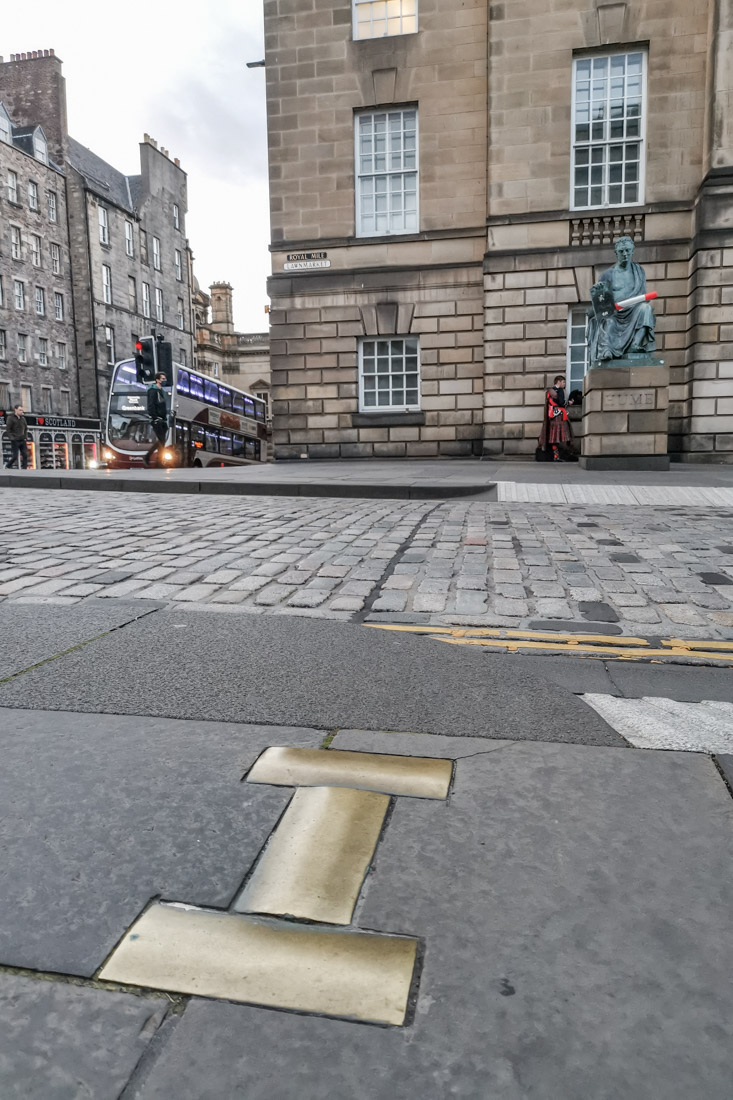
When the law closed in, Hare turned King’s evidence, testified against Burke and walked free – he was never punished and vanished from the record. Burke was hanged before an enormous crowd on the Lawnmarket on 28 January 1829, then, fittingly, publicly dissected.
His skeleton is still held at the University of Edinburgh’s Anatomical Museum, and a pocketbook said to be bound in his own skin survives at Surgeons’ Hall Museums. The scandal forced through the Anatomy Act of 1832, which finally gave surgeons a legal supply of bodies.
Visiting the Sites Today
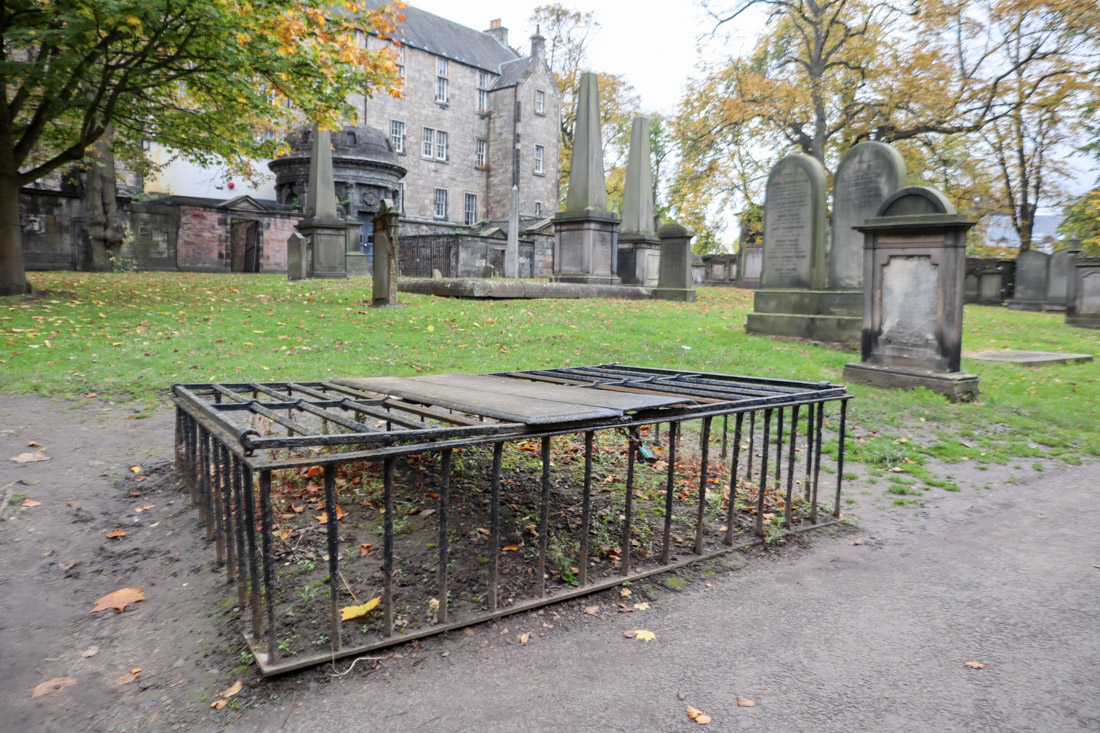
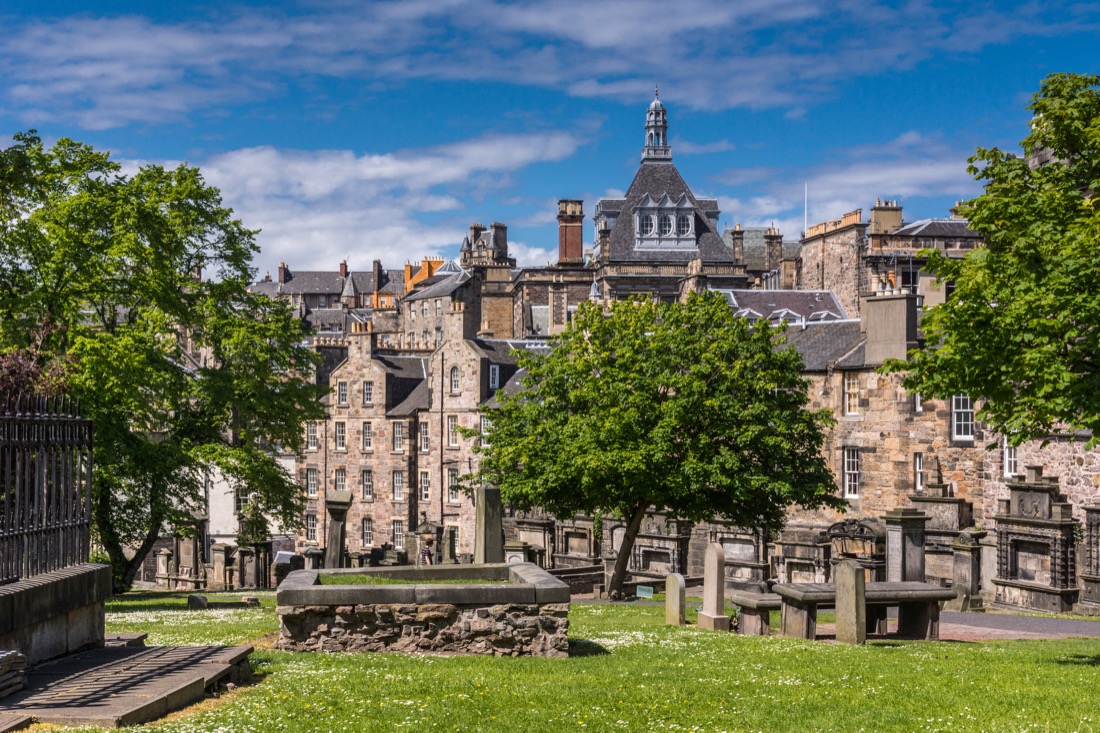
You can still walk the West Port and Grassmarket where the pair operated, though Tanner’s Close itself is long gone. Greyfriars Kirkyard nearby preserves the iron mortsafes families once bolted over graves to foil bodysnatchers. Surgeons’ Hall Museums displays objects tied directly to the case.
Frequently Asked Questions
How many people did Burke and Hare kill?
Sixteen, over roughly ten months in 1828, before they were caught in the November of that year.
Were Burke and Hare grave robbers?
Not really. Unlike the “resurrectionists” who dug up fresh graves, Burke and Hare murdered their victims outright – though the demand came from the same illegal body trade.
Can you see Burke’s remains in Edinburgh?
Yes. His skeleton is displayed at the University of Edinburgh’s Anatomical Museum, and items linked to the case are held at Surgeons’ Hall Museums.
Where did the Burke and Hare murders happen?
Around the West Port and Grassmarket, with the bodies sold to Robert Knox’s dissection rooms in nearby Surgeons’ Square.

← Back to all Edinburgh legends & spooky locations