

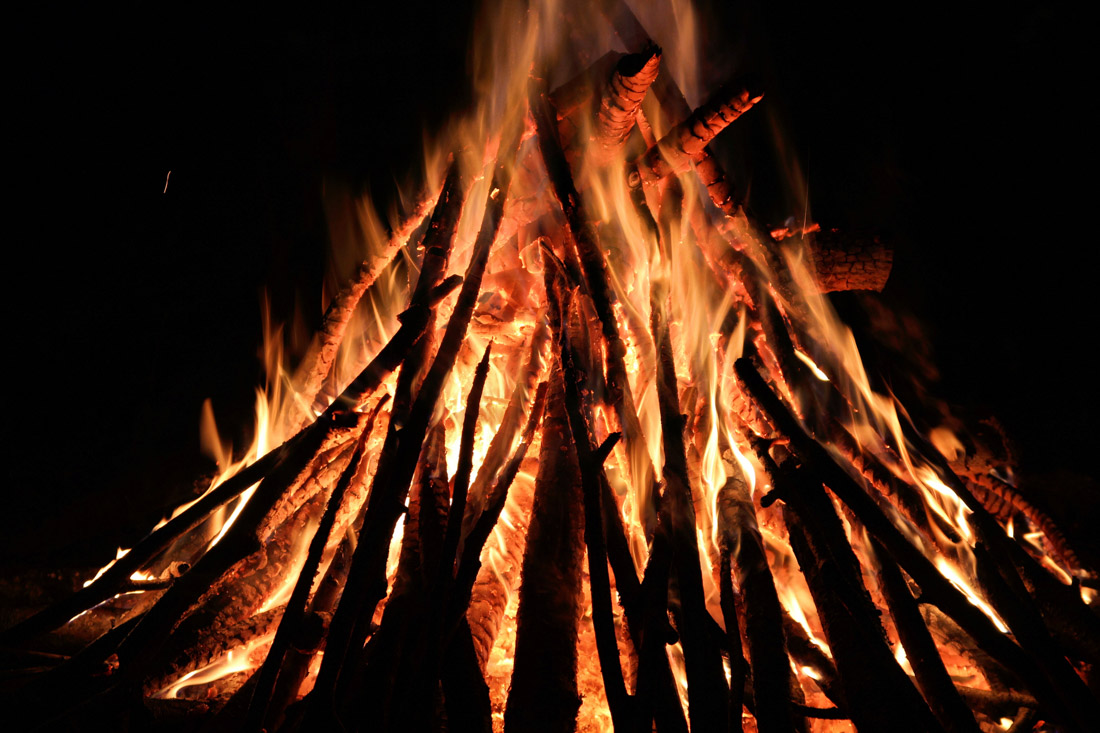
Every 5 November, skies across Edinburgh and the rest of the UK fill with fireworks while bonfires crackle in parks, back gardens and along the coast. Bonfire Night – also called Guy Fawkes Night – marks the moment in 1605 when a plot to blow up the Houses of Parliament was uncovered, and King James VI of Scotland and I of England survived an assassination attempt that would have changed British history.
More than four centuries on, the religion and politics behind the plot have faded into the background and the night has become a fixture of the Scottish autumn: a chance to gather with friends, watch a fireworks display and warm your hands by a fire as the nights draw in. This guide covers where the tradition comes from, who Guy Fawkes really was, and how to plan a good night out in Edinburgh on 5 November.
Updated September 2026
| Event | Date | Time | Location | Price | Postcode |
|---|---|---|---|---|---|
| Fawkes Festival | Nov 2026 (TBC) | From 2 pm | Royal Highland Centre, Ingliston | Adult £15 / Child £8 | EH28 8NB |
| Currie Fireworks | Wed 5 Nov | Gates 6:30 pm, fireworks 7:15 pm | King George V Park, Lanark Rd West, Currie | Adult £10 / Children FREE | EH14 2LG |
| Craigmillar Campfire | Wed 5 Nov | 5–7:30 pm | Sandy’s Community Centre, Craigmillar | FREE | EH15 3FB |
| SLA Fireworks | Sun 2 Nov | Shows at 4 pm & 6:30 pm | Myreside Stadium, Myreside Rd | From £13 | EH10 5BZ |
| Samhuinn Fire Festival | Sat 31 Oct | Evening | Calton Hill | FREE | EH7 5AA |
| Arniston House | Thu 5 Nov | Gates 5:30 pm, fireworks 7:30 pm | Arniston Estate, Gorebridge | £40 per car (max 7) | EH23 4RY |
| Linlithgow Rugby Club | Fri 6 Nov | Doors 6:30 pm, fireworks 7:30 pm | 42 Mains Rd, Linlithgow | Ticketed | EH49 6NB |
| Knockhill Spectacular | Sat 7 Nov | Gates 1 pm, fireworks 5:45 pm | Knockhill Racing Circuit, Dunfermline | Ticketed | KY12 9TF |
What Is Bonfire Night?
Bonfire Night is an annual British tradition held on 5 November to remember the failure of the Gunpowder Plot of 1605, when a group of English Catholics tried and failed to assassinate King James I by blowing up the House of Lords. When the plot was foiled, Londoners lit bonfires in celebration that the king had survived, and Parliament soon made the anniversary an official day of thanksgiving.
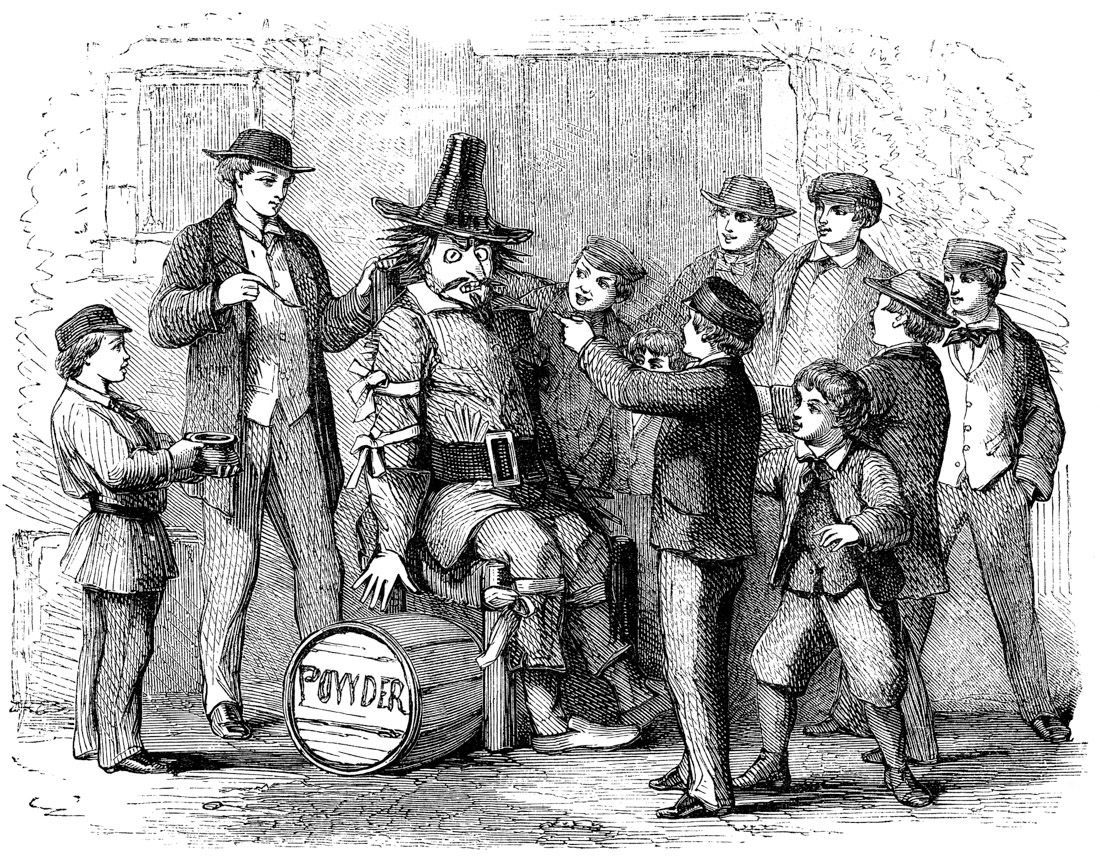
Over the centuries the solemn, anti-Catholic origins of the night softened into the community celebration it is today. Traditionally people burn a “guy” – a stuffed effigy of Guy Fawkes – on the bonfire, set off fireworks, and eat toffee apples, parkin and jacket potatoes cooked in the embers. In Scotland the night sits neatly between Halloween and St Andrew’s Day, and organised firework displays have largely taken over from back-garden fireworks for safety reasons.
A Short History: Religion and the Reformation
To understand why the Gunpowder Plot happened, you have to go back to the religious upheaval of the 1500s. When Henry VIII broke with the Roman Catholic Church in the 1530s to form the Church of England, he set England on a century of conflict between Protestants and Catholics. The crown swung between the two faiths – Protestant under Edward VI, Catholic under Mary I, then Protestant again under Elizabeth I – and each swing brought persecution for whichever side was out of favour.
By the time James I came to the throne in 1603, English Catholics had endured decades of harsh penal laws. They were fined for not attending Protestant church services, barred from many public roles, and forced to practise their faith in secret with the help of “recusant” priests. Many Catholics had hoped James – whose mother, Mary Queen of Scots, had been Catholic – would ease the restrictions. When he did not, a small group of frustrated men decided on a far more drastic solution.
The Gunpowder Plot of 1605
The conspiracy was led not by Guy Fawkes but by Robert Catesby, a charismatic Catholic gentleman from the Midlands. In 1604 Catesby gathered a small circle of trusted men – among them Thomas Wintour, Thomas Percy, John Wright and the explosives expert Guy Fawkes – and swore them to a plan of extraordinary ambition: to blow up the House of Lords during the State Opening of Parliament, killing the king, his heir and much of the Protestant ruling class in a single blast.
The plotters rented a cellar directly beneath the House of Lords and, over several months, packed it with 36 barrels of gunpowder – enough to reduce the building to rubble. Fawkes, who had served as a soldier in the Spanish Netherlands and knew how to handle explosives, was given the job of lighting the fuse and then escaping across the Thames.
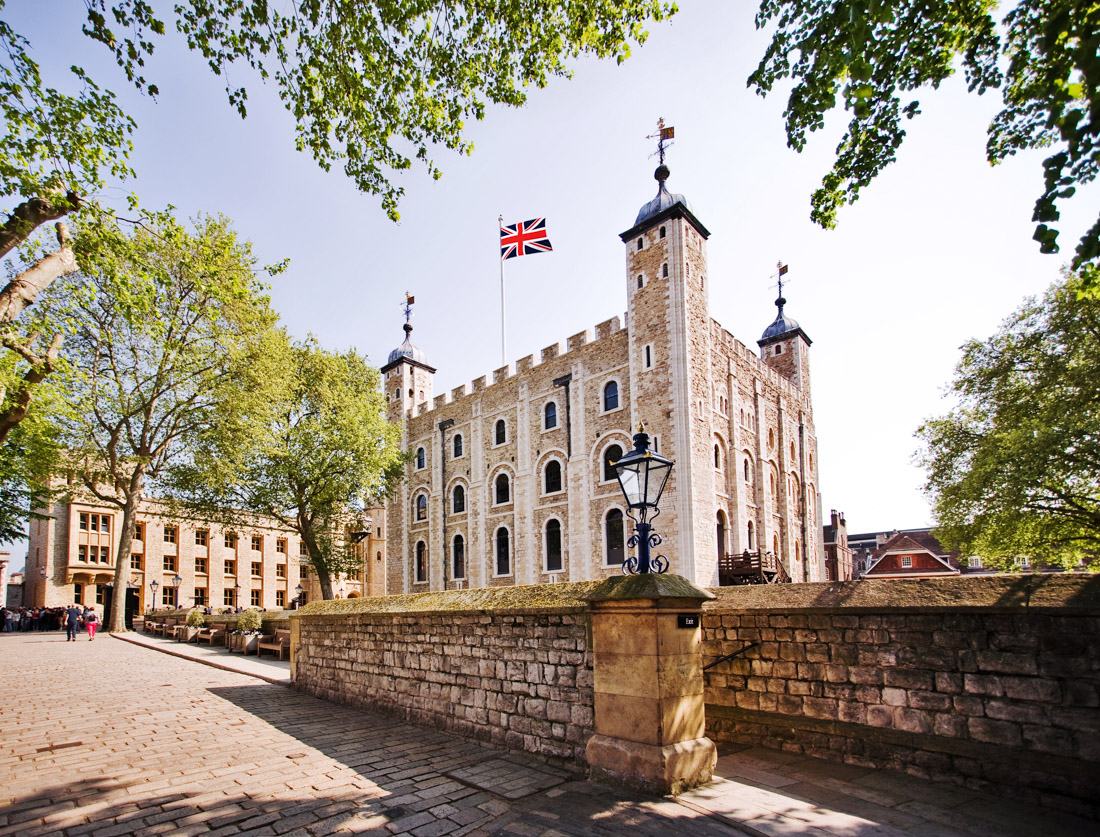
The plot unravelled at the last moment. An anonymous letter warned a Catholic peer, Lord Monteagle, to stay away from Parliament, and the authorities were alerted. In the early hours of 5 November 1605, guards searching the cellars found Guy Fawkes standing among the barrels with a lantern, matches and touchwood. He was arrested, taken to the Tower of London and tortured until he named his fellow conspirators. Catesby and several others were killed resisting arrest; the survivors, including Fawkes, were tried for treason and executed in early 1606. That night Londoners lit bonfires to celebrate the king’s survival – and the tradition was born.
Who Was Guy Fawkes?
Guy Fawkes was born in York in 1570 and raised a Protestant, but converted to Catholicism as a young man. Seeking to fight for the Catholic cause, he travelled to the Continent and served for around a decade in the Spanish army in the Low Countries, where he gained the military and explosives experience that later made him useful to the plotters. It was abroad that he adopted the Italian form of his name, Guido Fawkes.
Although he was only one of thirteen conspirators and not the ringleader, Fawkes became the face of the plot because he was the man caught red-handed beneath Parliament. His name lives on in the effigies burned each year and in the word “guy” itself, which entered everyday English from the stuffed figures paraded on Bonfire Night. The mask popularised by the film V for Vendetta – now a symbol of protest worldwide – is a stylised image of his face.
Where to See Bonfire Night in Edinburgh
Edinburgh does not hold a single official city-centre fireworks display for Bonfire Night in the way it does for Hogmanay, so most people head to one of the organised events around the city and its edges. Dates, ticketing and venues change from year to year, so always check the organiser’s website before you set out.
Fawkes Festival – Royal Highland Centre
Scotland’s largest Bonfire Night event returns to the Royal Highland Centre at Ingliston (EH28 8NB) in November 2026 after taking a planned pause in 2025. The festival features fairground rides, street theatre, live music (previous years have featured the Red Hot Chilli Pipers), food stalls and a choreographed fireworks display set to lights and lasers. Early-bird adult tickets start at £15 and children’s tickets at £8. The exact 2026 date had not been confirmed at the time of writing – check fawkesfestival.com for updates.
Currie Fireworks – King George V Park
Hosted by the Currie, Balerno and District Round Table, this long-running community display takes place at King George V Park on Lanark Road West (EH14 2LG) on Wednesday 5 November. Gates open at 6:30 pm and the fireworks start around 7:15 pm. Adults £10; accompanied children enter free. Food, sweets and glow novelties are available on site (cash recommended). Note: this is a fireworks-only display with no bonfire. Proceeds go to local charities.
Craigmillar Campfire – Sandy’s Community Centre
A free, family-friendly alternative on Wednesday 5 November (5–7:30 pm) at Sandy’s Community Centre in Craigmillar. The event features a woodland light show, campfire-themed food, marshmallow roasting, music and dance performances, and a silent disco. No tickets required – just turn up.
SLA Fireworks – Myreside Stadium
Scottish Love in Action (SLA), a charity for children in India, runs a popular fireworks event at Myreside Stadium on Myreside Road (EH10 5BZ) on Sunday 2 November. There are typically two showings – an early show (entry from 4 pm) and a late show (entry from 6:30 pm) – with tickets around £13. The event often sells out, so book in advance.
Samhuinn Fire Festival – Calton Hill
Organised by the Beltane Fire Society, the Samhuinn Fire Festival bursts into life on Halloween night (31 October) on Calton Hill (EH7 5AA). It is a pagan-inspired celebration of the transition from summer to winter, with fire-play, drumming and immersive performances. The event is free to watch, though donations are welcome. It draws large crowds, so arrive early for a good spot.
Free Viewing Spots
If you would rather stay out of the crowds, high vantage points such as Calton Hill, Arthur’s Seat and Blackford Hill give long views across the city, and you can often see several displays going off at once against the skyline. Wherever you go, dress for a cold Scottish night and expect it to be busy.
Bonfire Night Events Near Edinburgh
Several popular displays take place within easy reach of the city by car or public transport:
- Arniston House (Gorebridge, EH23 4RY) – Thursday 5 November. Gates open 5:30 pm, three bonfires lit in sequence from 6:30 pm, fireworks at 7:30 pm. £40 per car pass (max 7 people). Coffee, cocoa and popcorn available. No pets allowed.
- Linlithgow Rugby Club (42 Mains Rd, Linlithgow EH49 6NB) – Friday 6 November. Doors open 6:30 pm, fireworks 7:30 pm. Reachable by train from Edinburgh Waverley (‘Linlithgow’ stop, ~25 min).
- Knockhill Live-Action & Fireworks Spectacular (Knockhill Racing Circuit, Dunfermline KY12 9TF) – Saturday 7 November. Gates open 1 pm, on-track excitement from 2 pm, fireworks at 5:45 pm. A full day of family entertainment.
Bonfire Night Tips
- Check the organiser’s website for this year’s date, start time and whether tickets sell out in advance – big displays often do.
- Wrap up warm: early November in Edinburgh is cold and often wet, so layers, a waterproof and sturdy footwear make all the difference.
- Arrive early for a good spot and to beat the queues at gates and food stalls.
- Use public transport where you can – parking near the bigger venues is limited and roads get congested after the finale.
- Keep pets at home; the noise of fireworks distresses many dogs and cats, so settle them indoors with curtains drawn.
- Follow the event’s safety guidance and keep well back from bonfires and set-piece fireworks.
Frequently Asked Questions
Why is Bonfire Night on 5 November?
Because it marks the date in 1605 when the Gunpowder Plot was foiled. Guy Fawkes was caught guarding barrels of gunpowder beneath the House of Lords in the early hours of 5 November, and Londoners lit bonfires that night to celebrate King James I’s survival.
What happened in the Gunpowder Plot?
A group of English Catholics led by Robert Catesby planned to blow up the House of Lords during the State Opening of Parliament, killing the king and Protestant ruling class. They hid 36 barrels of gunpowder in a cellar, but an anonymous warning led to a search that caught Guy Fawkes before the fuse was lit.
Where can I watch fireworks in Edinburgh on Bonfire Night?
The biggest ticketed display is usually at the Royal Highland Centre at Ingliston, with community bonfire nights run by local groups around the Lothians. High points like Calton Hill, Arthur’s Seat and Blackford Hill give free skyline views of multiple displays. Always check organisers’ websites for the current date and tickets.
Is Bonfire Night free in Edinburgh?
Some smaller park and community displays are free or donation-based, while the large organised events at venues such as the Royal Highland Centre charge for entry. Watching from an open hilltop is always free, though you will be further from the fireworks.
Is the Fawkes Festival happening in 2026?
Yes. Fawkes Festival returns to the Royal Highland Centre at Ingliston in November 2026 after the organisers took a “planned pause” in 2025. The event features fairground rides, a choreographed fireworks display, live music and street theatre. The exact date had not been announced at the time of writing – check fawkesfestival.com for the latest.