
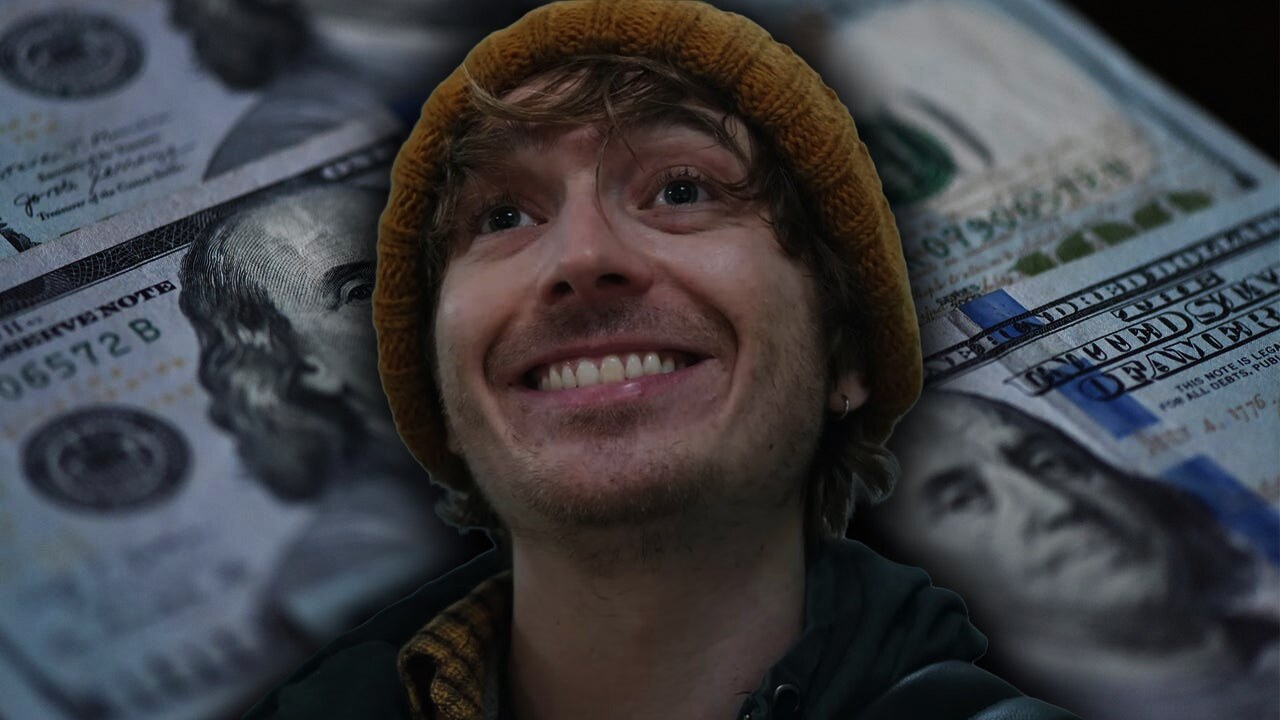
Three weeks before it opens, Zach Cregger’s Resident Evil reboot is tracking to smash every box office record the franchise has ever set.
According to Box Office Pro, the Sony film is projecting a $30 million to $40 million opening weekend at the North American box office when it arrives on 18 September. That range would comfortably eclipse the $26.65 million debut of Resident Evil: Afterlife in 2010 — the current franchise record holder — by as much as 50 per cent.
For a franchise that spent much of the 2010s on a downward commercial spiral, it’s a remarkable turnaround.
What the Early Tracking Numbers Actually Mean
Tracking figures this far out from release carry real uncertainty — Box Office Pro itself labels these as a range, not a prediction. But Greenlight Analytics has the film charting 51% awareness and 52% interest on its Quorum platform, and Global Box-Office reports the film could be the biggest opening for both the Resident Evil franchise and for Cregger personally.
That last benchmark matters. Cregger’s previous film, Weapons, opened to $43.5 million in 2025, making him one of the rare horror directors who can open a film wide. Box Office Pro believes Resident Evil will come in just below Weapons — not because of lack of interest, but because the franchise name doesn’t yet carry the household recognition of some IP, and the lack of a star like Josh Brolin (who anchored Weapons’ marketing) may limit its reach beyond genre fans.
“Resident Evil’s brand recognition, plus Cregger’s cachet among horror fans, positions it for a record-breaking franchise debut.” — Box Office Pro, August 2026
Every Resident Evil Opening Weekend, Ranked
The franchise’s domestic opening weekend history tells a story of wild inconsistency. From strongest to weakest:
1. Resident Evil: Afterlife (2010) — $26.65 million
2. Resident Evil: Extinction (2007) — $23.68 million
3. Resident Evil: Apocalypse (2004) — $23.04 million
4. Resident Evil (2002) — $17.71 million
5. Resident Evil: The Final Chapter (2017) — $13.60 million
6. Resident Evil: Welcome to Raccoon City (2021) — $5.32 million
The Afterlife record has stood for sixteen years. Welcome to Raccoon City, the last attempt at a reboot, managed only a fifth of it — a commercial disaster that made the franchise’s future look bleak. The 2026 version, with Cregger directing and an $80 million production budget, represents Sony’s most serious investment in the IP since the Paul W.S. Anderson era ended.
Who Is Zach Cregger — and Why Sony Bet on Him
Cregger built his reputation in the low-budget horror space. Barbarian (2022) was made for roughly $4 million and earned $45 million worldwide — a return few genre films can claim. Weapons followed with a wider release and a bigger opening, cementing Cregger as a director who understands how to build dread without relying on franchise familiarity.
Austin Abrams stars as the lead, taking on what is almost certainly the most commercially significant role of his career. The film’s marketing has leaned heavily on Cregger’s name and tone rather than the game IP’s legacy, which is an unusual choice for a video game adaptation but reflects the confidence Sony has in the director’s draw.
The $80 million budget — modest by modern blockbuster standards but substantial for a horror film — allows for the kind of production value that Welcome to Raccoon City notably lacked. Whether that investment translates to the high end of the $30–40 million tracking range remains to be seen.
The Bigger Picture: Gaming IP on the Big Screen
Resident Evil sits in an increasingly crowded field of video game adaptations chasing mainstream box office. The Last of Us on HBO proved the IP can reach audiences who’ve never picked up a controller. The Super Mario Bros. Movie demonstrated the scale possible when the adaptation is treated as a film rather than a licensed product.
A $30–40 million opening for Cregger’s Resident Evil would land it firmly in franchise-viable territory — not Mario money, but enough to justify sequels and series development. The real test comes on 18 September. Given what the tracking currently suggests, the franchise record appears headed for the history books.