
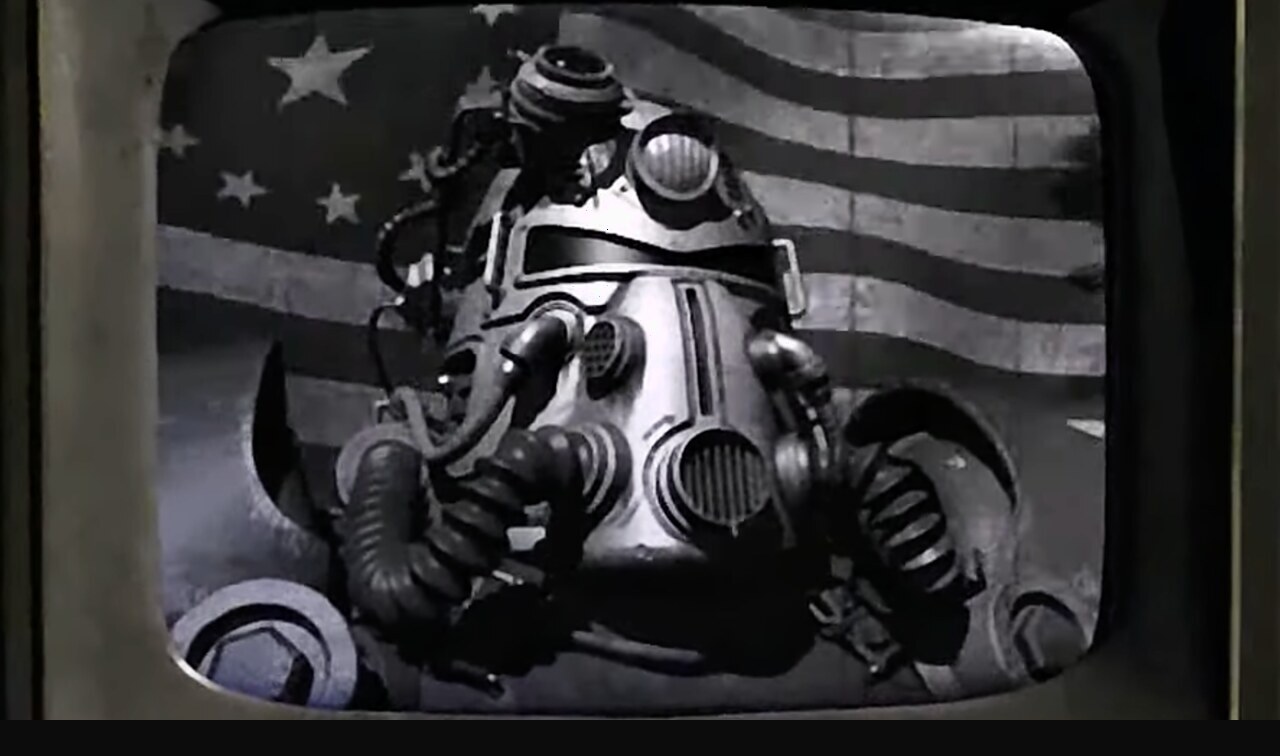
Everyone has a theory about what made the original Fallout a landmark RPG. The bleak humour. The morally complex choices. The hand-crafted wasteland that felt genuinely hostile. Tim Cain — one of the game’s co-creators — says all of those answers miss the point.
In a new video posted to his YouTube channel, Cain argues that what set the original Fallout apart from other games of its era had nothing to do with its setting or its writing. It was how the team worked. And that approach, he says, is now largely overlooked in the industry.
The Abilene Paradox and Why It Kills Games
Cain’s argument centres on a concept from management theory called the Abilene paradox. The idea is deceptively simple: groups regularly commit to decisions that nobody in the group actually wants, simply because nobody spoke up against them. The name comes from a parable about a family who drive to Abilene for lunch despite every member privately not wanting to go — each assumed the others were keen.
The Abilene paradox: A group dynamic in which everyone goes along with a decision nobody actually wanted, because each person assumed the others were enthusiastic. Named after a 1974 concept by management theorist Jerry Harvey.
That happens all the time in video game development, Cain said. The result is games shipped with features that were never properly questioned — implemented because someone proposed them and no one pushed back, never tested to see whether they actually worked.
Too many people think that discussion is argument, and discussion is not argument, he explained. If you treat discussion as argument then ideas will never be questioned much less really tested. And so your game will go out with a bunch of things that somebody thought should go in. No one ever pushed back on it. Nobody ever implemented it, tested it, and went: that is not very good. We should change that.
He has seen the same dynamic with publishers who sign off on features without scrutiny, and with fan communities online where critical engagement gets mistaken for hostility.
How the Original Fallout Team Actually Argued
The Fallout that launched in 1997, built at Interplay by a team that never exceeded around 25 people, worked very differently. Cain describes an environment where no decision was safe from challenge — creature designs, character dialogue, the dimensions of maps. Everything went through the filter.
“Fallout was great because we pushed each other during development and we pushed each other pretty hard. We asked ourselves difficult questions about what we were doing. Should that creature look like that? Should that character talk like that? Should that map be that size? We questioned ideas. We would discuss them. We would defend them. And we would offer better ones.” — Tim Cain
Features were replaced during development — sometimes significant ones. That process was uncomfortable. But Cain is clear about what it produced: a better game. Without that discussion you will not get the better feature, he said. Without the better feature, you will not make a great game. You are making an okay game.
Why Modern Development Has Forgotten This
Cain is careful not to frame this as a generational complaint. The problem is not that today’s developers are spineless — it’s that the conditions for productive creative friction have eroded. He has worked with people who explicitly want to be told what to do, who see any back-and-forth as conflict rather than as process.
Modern development structures do not help. Large teams with rigid hierarchies, short milestones, publisher approval chains and the omnipresent noise of fan reaction online all create environments where raising an objection feels riskier than staying quiet. The Abilene paradox doesn’t need a room full of cowards — it just needs a culture where speaking up feels more costly than going along.
That context makes the upcoming new Fallout game from Obsidian Entertainment — where Cain currently works — genuinely interesting to watch. The project is reportedly being directed by Josh Sawyer, lead designer on Fallout: New Vegas, a game widely regarded as one of the sharpest RPGs of its generation. Whether the conditions that made the 1997 original so distinctive can be recreated in a big-budget, modern production remains the real question — and, based on Cain’s account, it may matter far more than anyone’s design document.