
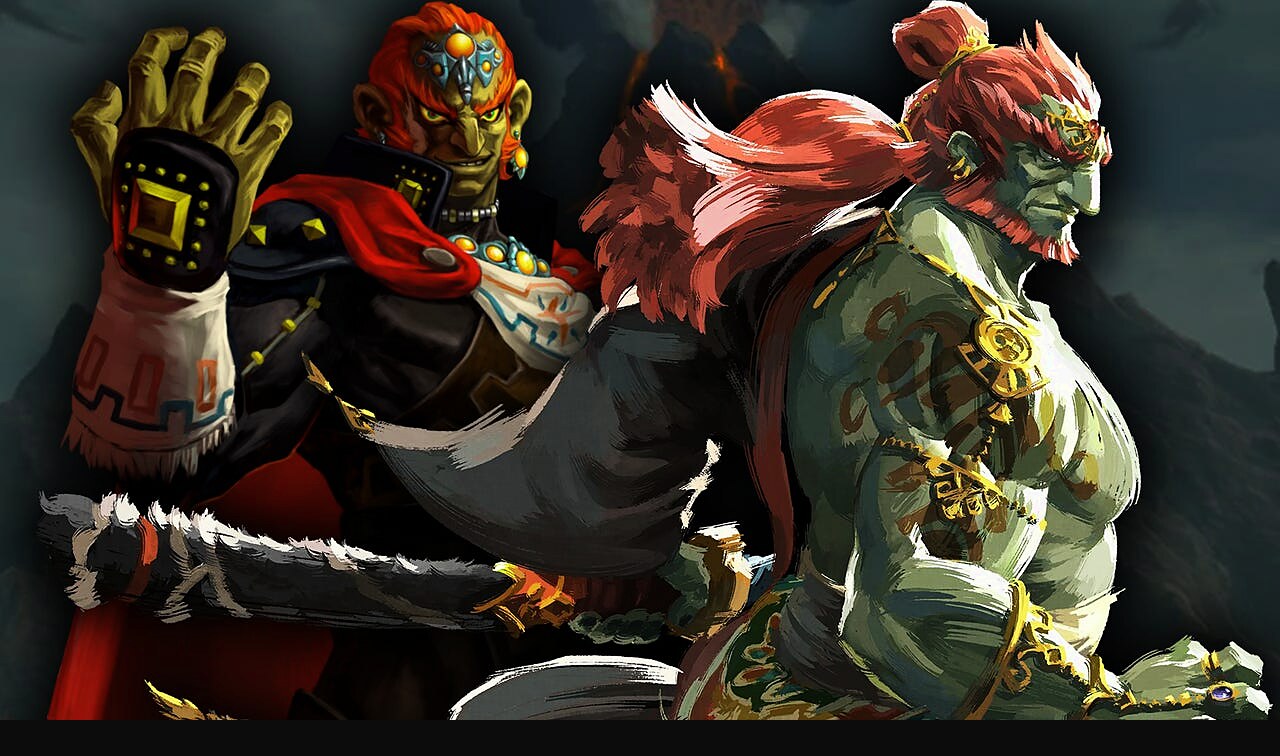
It was Nintendo that asked for Ganondorf to be the protagonist. Not Ubisoft. That is perhaps the strangest detail in an already strange story: a cancelled Legend of Zelda spin-off developed at Ubisoft Milan, built around the series’ iconic villain at Nintendo’s own request, that never made it out of a playable prototype stage.
The story comes via Insider Gaming, which reported that the project — internally codenamed Goliath — began development at Ubisoft Milan in 2022 before being formally pitched to Nintendo in 2023. The studio that built it has since shut down, and the director who led the project has left to make a game about a badger.
How Project Goliath Began
Ubisoft Milan’s initial pitch to Nintendo centred on an unnamed new protagonist set in the world of The Legend of Zelda. Nintendo was receptive to the concept — but had a specific change in mind. The company asked Ubisoft to rebuild the lead role around Ganondorf, the franchise’s enduring main villain, and the Milan team agreed to the switch.
Had Project Goliath reached players, it would have marked the first time in the franchise’s history that fans could play as Ganondorf through a full-length adventure. His playable appearances to date have been limited to the Super Smash Bros. series, where he functions as a fighter rather than a narrative lead. A dedicated Goliath game would have explored what the character looks like as a protagonist in his own right — something fans have theorised about for decades.
The decision to centre the game on a villain rather than a hero is unusual for Nintendo-licensed work, and the fact that it was Nintendo itself that proposed the change makes the subsequent rejection all the more difficult to parse.
Nintendo Turned Down the Prototype
Despite Ubisoft building out a playable prototype around Nintendo’s own suggestion, the project did not survive the approval process. Nintendo rejected the Goliath prototype in late 2023. The specific reasons for the rejection have not been disclosed, and neither company has commented publicly on the project’s existence.
Ubisoft did not walk away immediately. Following the Zelda rejection, the studio offered Nintendo two alternative collaborative projects — one built around Star Fox and one around Mario. Neither substitute moved forward, and the partnership ended without producing anything publicly released.
Alternative pitches Nintendo also declined: Star Fox · Mario — both were offered by Ubisoft after Project Goliath fell through. Neither project was approved.
Ubisoft Milan Closed, Director Moved On
Ubisoft Milan, which had previously served as a key collaborator on the Mario + Rabbids series, was shut down as part of Ubisoft’s wider restructuring. Its closure means there is no remaining internal team with the institutional knowledge of Project Goliath, and no clear path for the concept to be revived within Ubisoft.
Davide Soliani, who directed Mario + Rabbids: Kingdom Battle and Mario + Rabbids: Sparks of Hope before leading the Goliath project, departed Ubisoft after the cancellation. He founded a new independent studio, Day 4 Night, alongside colleagues from the Goliath team.
Day 4 Night’s first announced game is Bradley the Badger — a project with no apparent connection to the world of Zelda or Nintendo. Its existence is a direct consequence of the Goliath cancellation pushing a creative team out of Ubisoft’s structure and into independence.
Why the Cancellation Still Matters
Project Goliath is the kind of cancelled game that grows more interesting the more that comes to light about it. A playable Ganondorf built around a Nintendo brief, a prototype apparently functional enough to formally present, three failed collaborative pitches in total — and two major studios choosing silence over explanation.
The Ubisoft-Nintendo relationship had produced genuine critical successes with the Mario + Rabbids titles. Soliani’s team had demonstrated that Nintendo IP could be handled with care and creativity outside of Nintendo’s own walls. Whatever Nintendo saw in that late 2023 Goliath prototype, it was apparently enough to end not just this project but the entire collaborative arrangement — and to do so without any public acknowledgement from either side.