
“Alien: Isolation completely destroys me, drenching me in sweat and causing me to take leave of my senses,” wrote PC Gamer’s Fraser Butterworth — a confession that took him a full decade to act on, ten years to finally gather the courage to finish Creative Assembly’s xenomorph nightmare.
This week, thousands of readers agreed with him. After a week-long Halloween tournament that whittled 16 nominated horrors down to a single champion, Alien: Isolation has been voted the scariest game on PC, topping a bracket that reads like a hall of fame for sleepless nights.
How the Bracket Unfolded
The format was pure March Madness. PC Gamer asked readers to nominate the scariest PC games they could think of, collected the top 16 submissions from the comments — with a little editorial discretion — randomly seeded a bracket and let democracy decide over four rounds of head-to-head voting.
The field was stacked from the outset. Alongside the two finalists, the seeded bracket paired Outlast against Amnesia: The Bunker, Dead Space against Fatal Frame 2 Remake — a 78 per cent rout — and Thief: Deadly Shadows against Darkwood, with Silent Hill 2 and S.T.A.L.K.E.R. lurking in the opposite half. Horror’s greatest hits, essentially, thrown into a blender and voted on one matchup at a time.
Alien: Isolation never looked like losing. It opened by demolishing Frictional’s underwater dread-fest SOMA with 85 per cent of the vote, then dispatched Darkwood, then Silent Hill 2, before meeting Amnesia: The Dark Descent in the final and, in the organiser’s words, ploughing through “without much resistance”. Dead Space, the other early powerhouse, fell short of the final four, while Outlast and Fatal Frame 2 Remake exited in the opening rounds.
Amnesia Takes the Runner-Up Spot
The 2010 classic that defined helplessness horror had its own dominant run, sweeping through what voters jokingly called the acronym division — S.T.A.L.K.E.R. went down with 79 per cent of the vote, then F.E.A.R. — before a semi-final against its own younger sibling, Amnesia: The Bunker, proved the closest race of the entire tournament.
Some inside PC Gamer itself considered The Bunker the scariest of the Amnesias. But influence counted for something: 16 years on from release, The Dark Descent remains the landmark PC horror game that lodged itself in a generation’s memory. Frictional co-founder Thomas Grip explained the studio’s philosophy back in 2010, and it still reads like a design manifesto for the genre.
“Our strategy was to hint at things and then let the players build up an image in their head.” — Thomas Grip, Frictional Games
Why Sevastopol Station Still Terrifies
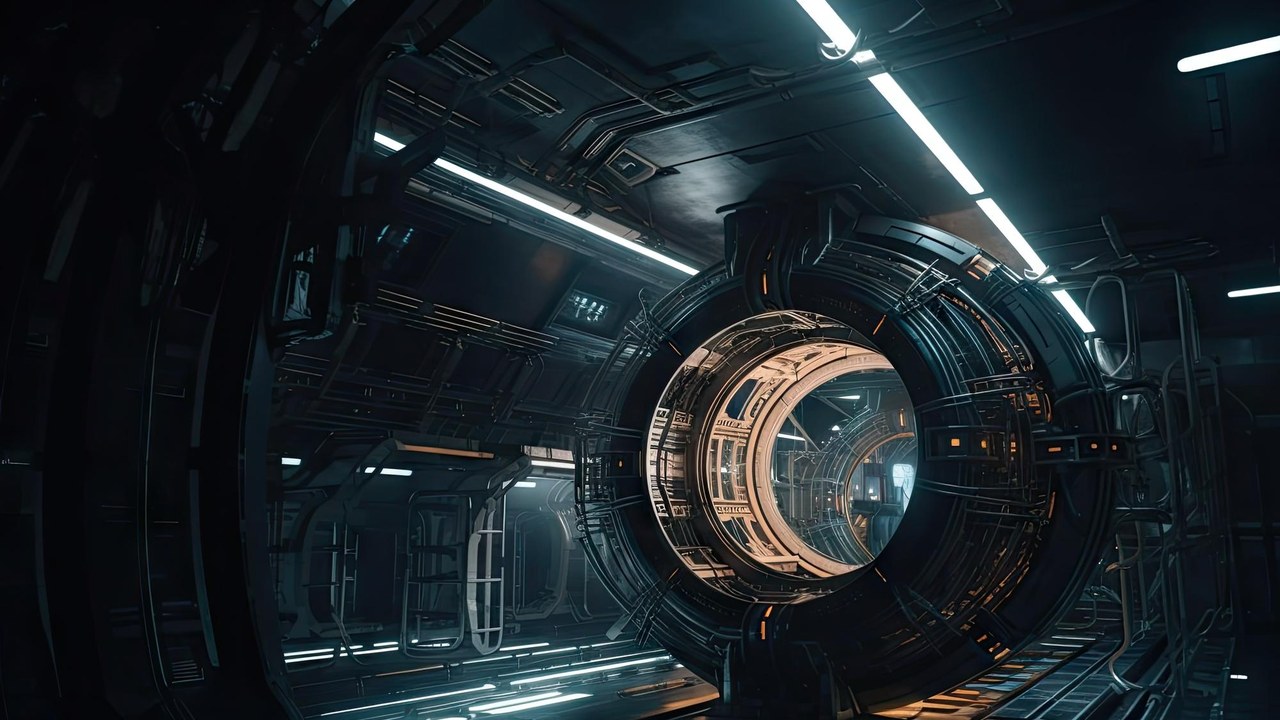
Released in 2014, Alien: Isolation took a radical gamble: one alien, one player, no power fantasy. The xenomorph stalks the derelict Sevastopol Station with an unsettling intelligence, learning from your habits, punishing repetition and turning every locker, vent and motion-tracker ping into a decision about survival. There is no way to kill it. You can only manage it, briefly, and hope.
That sustained tension is why it tops the best horror games of all time lists more than a decade later — and why the win lands at such a pointed moment. Sega has Alien: Isolation 2 in development, with the sequel already far enough along to support hands-on demos at PAX Australia. A reader vote crowning the original feels less like nostalgia and more like a reminder of exactly how high the bar was set.
The Cheapest Halloween Treat Going
There is a lesson in the result, too. The bracket was not won by the newest or the goriest entry but by a 2014 game built on a single perfect predator and the refusal to arm the player against it. Dread ages better than shock, and Sevastopol Station has aged better than almost anywhere in the medium.
The practical kicker: both finalists are currently near-giveaway prices. Alien: Isolation sits at $10 on Steam, and Amnesia: The Dark Descent costs less than a coffee at $4. For players who never made it through Sevastopol — or who bounced off Brennenburg 16 years ago and never returned — there has rarely been a cheaper moment to find out whether the voters were right.
One caution, though. Butterworth needed ten years to finish Alien: Isolation. The bracket has spoken; the xenomorph is waiting.