
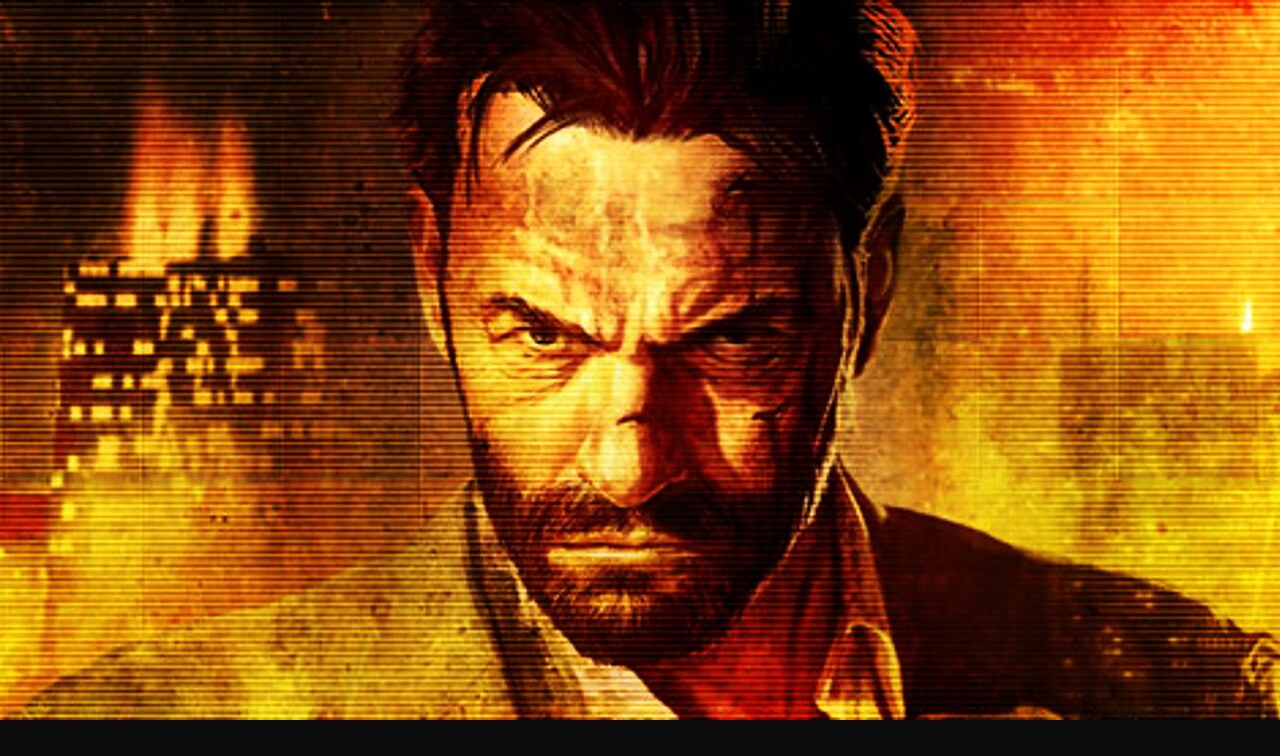
Dan Houser does not get things wrong. As the co-founder and former vice-president of Rockstar Games, he shepherded Grand Theft Auto from a niche top-down oddity into the most commercially successful entertainment franchise on the planet. He wrote the stories that made players care about criminals they would never meet in real life. So when he says he failed, it is worth listening — even if, on the subject of Max Payne 3, I respectfully disagree.
In a new interview with IGN as part of their IGN30 Icons series, Houser reflected on his time at Rockstar and singled out Max Payne 3 as the project where he got it wrong. The game, released in 2012, was critically well-received but commercially underperformed. Take-Two Interactive reported sales that came in “lower than expected”, contributing to a larger net loss for the quarter. For Houser, who served as writer and one of the key decision-makers, that disconnect between quality and reception sits uneasily.
What Houser Actually Said
Houser was candid about the experience. He described Max Payne 3 as a linear game that felt “a little different” from the open-world projects he was accustomed to at Rockstar, but one he genuinely enjoyed making. He praised the design decisions — the absence of loading screens, the way it felt like “a 12-hour movie”, the visual experimentation with words appearing on screen.
“I felt we were creating a really cool digital noir experience, and the consensus at the time was that people hated it. So I got that completely wrong.”
He acknowledged Sam Lake, the Remedy Entertainment creative director who created Max Payne and wrote the first two entries in the series. Houser called Lake “a very good guy and really talented”, and conceded that fans missed Lake’s distinctive writing voice. “Some people liked it; lots didn’t,” Houser said. “So we got it wrong, or I got it wrong. I failed. My bit was not a success.”
He placed the blame squarely on himself: “A large amount of that failure was on me as one of the people making the decisions and also as the writer, when people really missed his writing.”
The Case Against the Verdict
Here is where the self-criticism becomes hard to follow. Max Payne 3 is not merely a competent third entry in a series — it is, by any objective measure, a brilliant cinematic shooter. James McCaffrey delivered what many consider the definitive performance as Max Payne, digging deep into a character who had aged from a troubled New York detective into a burnt-out private security operative in São Paulo. The industrial rock soundtrack by Health gave the game a sonic identity that was entirely its own. The bullet-time mechanics were tighter and more responsive than anything Remedy had built.
By the numbers: Max Payne 3 scored 87 on Metacritic across platforms. It won Best Action Game at the Spike Video Game Awards. It was, by any critical measure, a success — just not a commercial one.
The problem was never the game itself. It was the expectations surrounding it. Fans of Remedy’s original duo wanted the gloomy, introspective weirdness of a New York set noir thriller. What Rockstar delivered was a high-octane, sun-drenched action movie set in Brazil’s favelas and corporate enclaves. The tonal shift was jarring — but jarring does not mean bad.
The commercial underperformance had as much to do with timing and marketing as it did with creative choices. By 2012, the gaming landscape was shifting rapidly. Open-world games were dominating the conversation. A linear, story-driven shooter — no matter how polished — was swimming against the current. Max Payne 3 arrived in a market that had moved on from the kind of focused, corridor-based experiences that defined the early 2000s.
The Sam Lake Factor
Houser’s acknowledgment that players missed Sam Lake’s writing is the most revealing part of the interview. There is no question that Lake’s voice defined Max Payne. The first game’s manuscript-style narration, the hardboiled monologues, the self-aware pulp sensibility — these were Lake’s fingerprints everywhere. When Rockstar took over, they brought their own sensibility: more cinematic, more expansive, more concerned with spectacle than internal monologue.
That is a legitimate criticism, and Houser is right to identify it. But it is not the same thing as failure. A game can honour its predecessors while forging its own identity. Max Payne 3 did exactly that — it just asked players to accept a different version of the character they thought they knew.
Where Max Payne Stands Now
The series remains in limbo. Remedy Entertainment, now an independent studio again after years of publishing deals, retains the rights to the Max Payne IP. The studio has hinted at interest in returning to the character, though no official announcement has materialised. Meanwhile, Rockstar’s focus has shifted entirely to Grand Theft Auto 6 and the ongoing development of Red Dead Redemption’s online ecosystem.
Houser left Rockstar in 2020. His reflections on Max Payne 3 come from a place of distance and hindsight — the kind of clear-eyed assessment that only time provides. But fourteen years on, the game still holds up. The shooting is tight. The story is compelling. McCaffrey’s performance remains the gold standard for the character.
Dan Houser may have failed to give players the Max Payne they expected. What he gave them instead was something worth having — even if it took them a while to realise it.