
Disney has moved to quash months of speculation about a potential acquisition of Fortnite developer Epic Games, with president and chief creative officer Dana Walden stating flatly that the company is not engaged in takeover talks “right now.”
The comments came during an interview with Bloomberg Live at the Screentime event, where Walden was asked directly about rumours that Disney’s leadership would be open to acquiring Epic if the opportunity arose. Her response was clear: “Those are not the conversations we’re having right now. But we have a great partnership and a number of launches coming up over the next two years that are going to demonstrate the value of this partnership.”
Where the Rumours Came From
Speculation about a Disney-Epic merger has circulated since the spring of 2026, when reports suggested Disney executives would be receptive to buying the company if it ever sought a buyer. The rumours gained traction in March when tech reporter Alex Heath stated on the Pod Save America-adjacent podcast that he knew “for certain” some senior Disney executives wanted to acquire Epic Games and were “waiting for that moment.”
In April, Bloomberg added fuel to the fire by reporting that Epic was working on an extraction shooter featuring Disney characters, with plans to launch in November 2026 — a project that suggested the two companies were already deepening their collaboration beyond the initial investment.
Walden’s comments don’t entirely close the door on a future acquisition, but they make clear that a full buyout is not on the current agenda.
The $1.5 Billion Investment That Started It All
The Disney-Epic relationship was formalised in February 2024, when Disney announced a $1.5 billion investment in Epic Games to create an “Entertainment Universe” connected to Fortnite. The deal gave Disney an equity stake of approximately 7-9 per cent in the company and brought together properties including Disney, Pixar, Marvel, Star Wars, and Avatar within the Fortnite ecosystem.
“It was pretty clear that we had very serious conversations about an investment and an equity stake,” Walden said, reflecting on that deal. “We have an excellent partnership.”
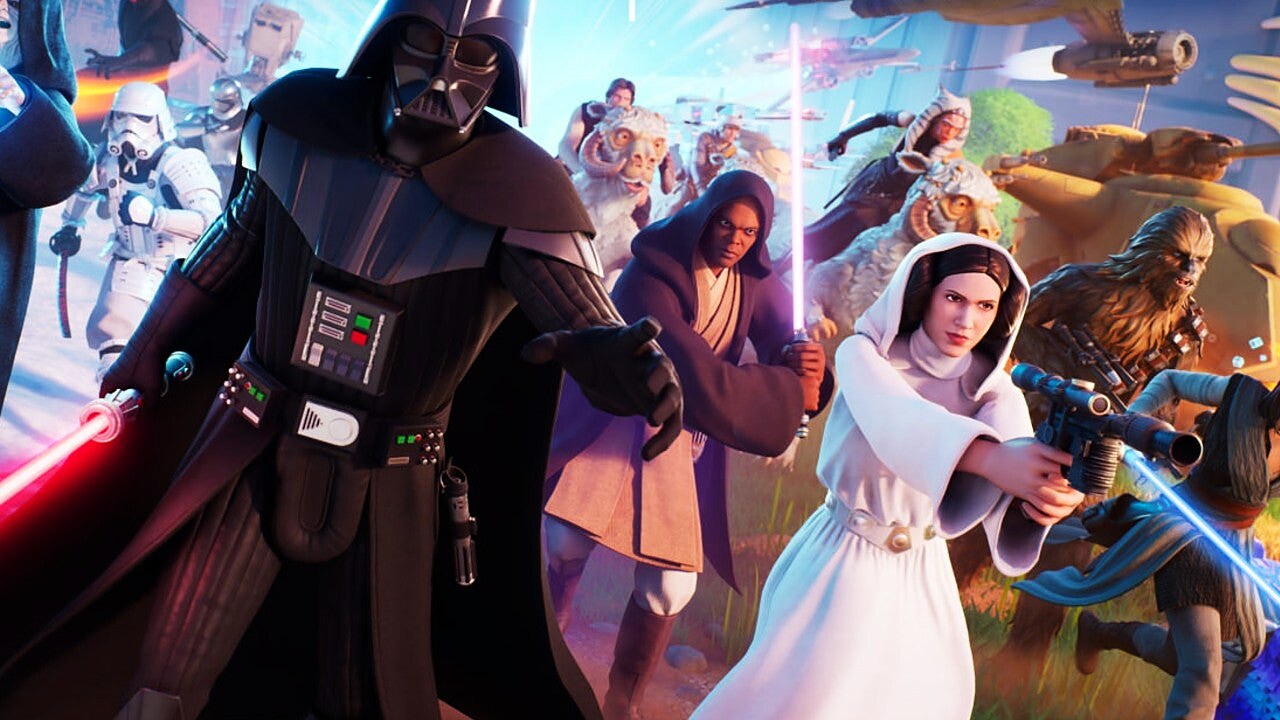
The Fortnite collaboration has already produced visible results: the game has frequently featured content inspired by Disney-owned franchises, including Star Wars, Pirates of the Caribbean, and Toy Story. A Disneyland-exclusive Fortnite skin and officially licensed Star Wars minigames have further cemented the relationship.
What Comes Next for Disney and Epic
Walden emphasised that the partnership is far from static. “We have a number of launches coming up over the next two years that are going to demonstrate the value of this partnership,” she said, describing the upcoming projects as “transformational.”
While she didn’t provide specifics, the reference to multiple launches suggests the Disney-Epic collaboration is expanding beyond cosmetic Fortnite content into more substantial gaming experiences. The unannounced extraction shooter reported by Bloomberg in April could be among these projects.
For now, Disney appears content with its equity stake and collaborative approach rather than pursuing full ownership. The company has the financial capacity to acquire Epic — Disney’s market capitalisation dwarfs even Epic’s substantial valuation — but the strategic calculus seems to favour partnership over purchase.
Why Disney Might Prefer Partnership Over Acquisition
There are practical reasons for Disney’s caution. Epic Games operates the Unreal Engine, which powers thousands of third-party games across the industry. A full acquisition would create immediate antitrust concerns and potentially alienate the many studios that license Unreal. It would also complicate Epic’s ongoing legal battles with platform holders over storefront policies and commission structures.
By maintaining an investment rather than pursuing ownership, Disney gets exposure to Epic’s growth and access to its technology and audience without inheriting its regulatory and competitive complications. It is a strategy that lets Disney benefit from the relationship while keeping its options open for the future.
Whether that calculus changes remains to be seen. Walden’s “right now” qualifier leaves the door open, but for the foreseeable future, Disney and Epic will remain partners — not parent and subsidiary.