
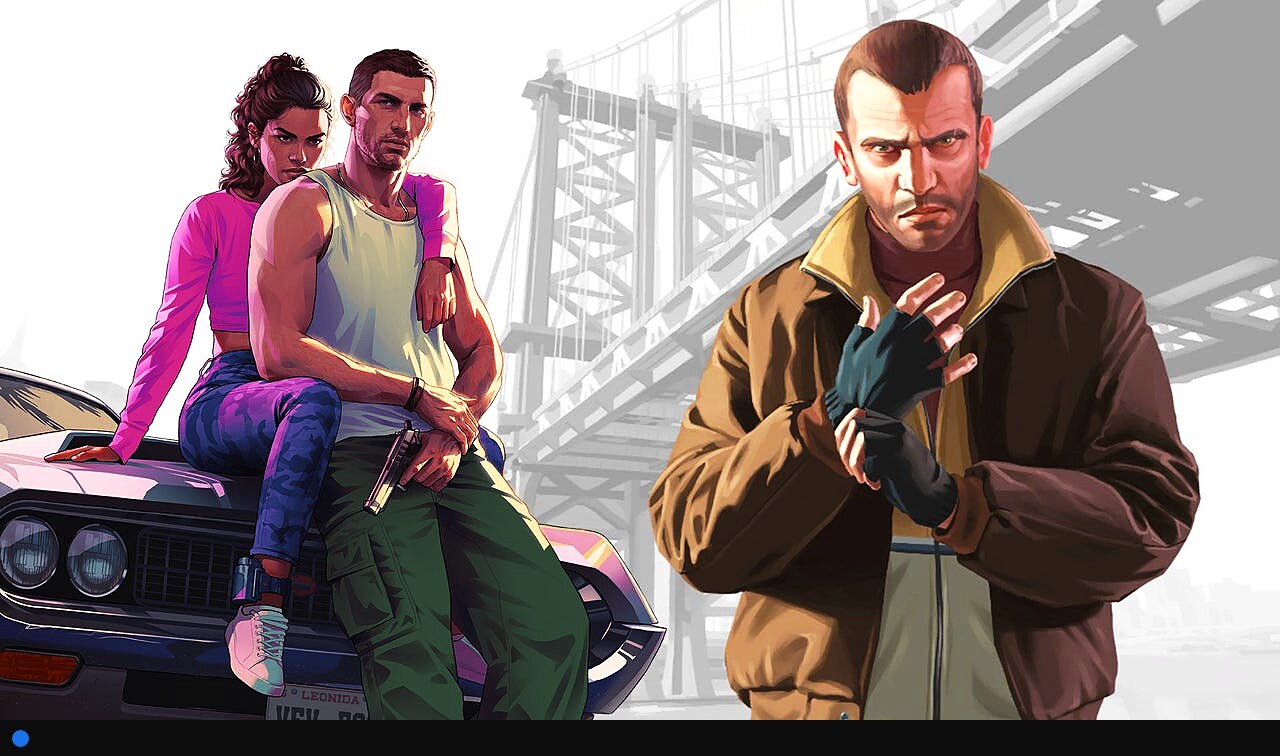
Eighteen years on from its release, booting up Grand Theft Auto 4 for the first time since 2008 feels less like nostalgia and more like a reminder. Rockstar Games‘ 2008 open-world epic still crackles with life — the grimy streets of Liberty City pulse with character, Niko Bellic’s story hits with unexpected weight, and yes, even the controversial driving physics hold a charm that later entries somehow lost. With GTA 6 looming on the horizon, revisiting its predecessor reveals something crucial: the series’ future may depend on remembering what made its past so special.

Driving Physics Found a Balance GTA 5 Lost
There’s no denying that you feel far more in control of a car in GTA 5, but that precision came at a cost. GTA 4’s handling has been debated since launch — vehicles corner with a looseness that adds genuine tension to high-speed chases, and the weight of each car feels substantial enough to matter. Some roads might feel like they’ve been glazed with ice, and certain vehicles carry themselves like someone’s stuffed the boot full of paving slabs, but that unpredictability created moments of genuine drama.
Key point: GTA 4’s driving wasn’t broken — it was dangerous. That distinction matters for immersion.
GTA 6 has an opportunity to thread this needle properly. Players want responsiveness without sterility, weight without sluggishness. The best open-world driving feels like you’re wrestling something powerful into submission, not guiding it along rails. Rockstar proved they could nail that tension in 2008. They just need to remember how.
Relationships Made Liberty City Feel Alive
One of the first systems GTA 4 introduces after its setup is a relationship mechanic that goes deeper than most players remember. Both romantic and platonic bonds shape how Niko experiences Liberty City, and the system genuinely captures what it feels like to arrive in a massive city where you know almost nobody. Your bowling-obsessed cousin Roman might ring your phone incessantly, but investing time in these connections unlocks weapons, helicopters, and story beats that make the world feel responsive to your choices.
“The relationship system rewards you for spending time with other characters — whether unlocking weapons or just enjoying activities as a pair.”
This is where GTA 6 could genuinely innovate. Modern open worlds often feel crowded with NPCs but empty of meaningful connection. A relationship system that makes you care about the people around you — not just as quest-givers but as characters with their own rhythms and needs — transforms a map from a checklist into a community. Both Jason and Lucia deserve that depth.
Niko Bellic Set a Character Bar the Series Must Clear
The thing that stands out most on a return trip to Liberty City is Niko himself. At the centre of everything that makes GTA 4 endure, he represents a tonal balance the series has occasionally struggled to maintain. GTA 4 blends audacious humour with genuine seriousness — you can visit a Ricky Gervais stand-up show one moment and confront the dark realities of Niko’s past the next. That juxtaposition feels earned rather than jarring.
GTA 5’s three-protagonist structure was ambitious, but it diluted the singular focus that made Niko’s journey so compelling. GTA 6’s dual-protagonist approach with Jason and Lucia suggests Rockstar understands the value of intimate storytelling within a massive world. The challenge will be giving both characters the depth that made Niko feel like a real person rather than a vehicle for chaos.
What Rockstar Can’t Afford to Forget
The Three Leaf Clover bank robbery mission remains one of the most cinematic moments in the series — a heist sequence that set the template for everything GTA 5 would build upon. Knowing that mission’s DNA will likely influence GTA 6’s own heist structures is genuinely exciting. But beyond set-pieces, it’s the small touches that make Liberty City feel lived-in: the cramped apartment with mag posters barely clinging to walls, the neon signs arranged to resemble human anatomy, the way NPCs react to weather and circumstance.
GTA 6 faces an impossible task — improving on technical fidelity while recapturing the soul that made GTA 4 special despite its limitations. The draw distance might have been atrocious in 2008, but the world felt real in ways that matter more than polygons. Rockstar built something extraordinary eighteen years ago. The question isn’t whether they can make GTA 6 bigger or more beautiful — it’s whether they remember why we fell in love with Liberty City in the first place.