
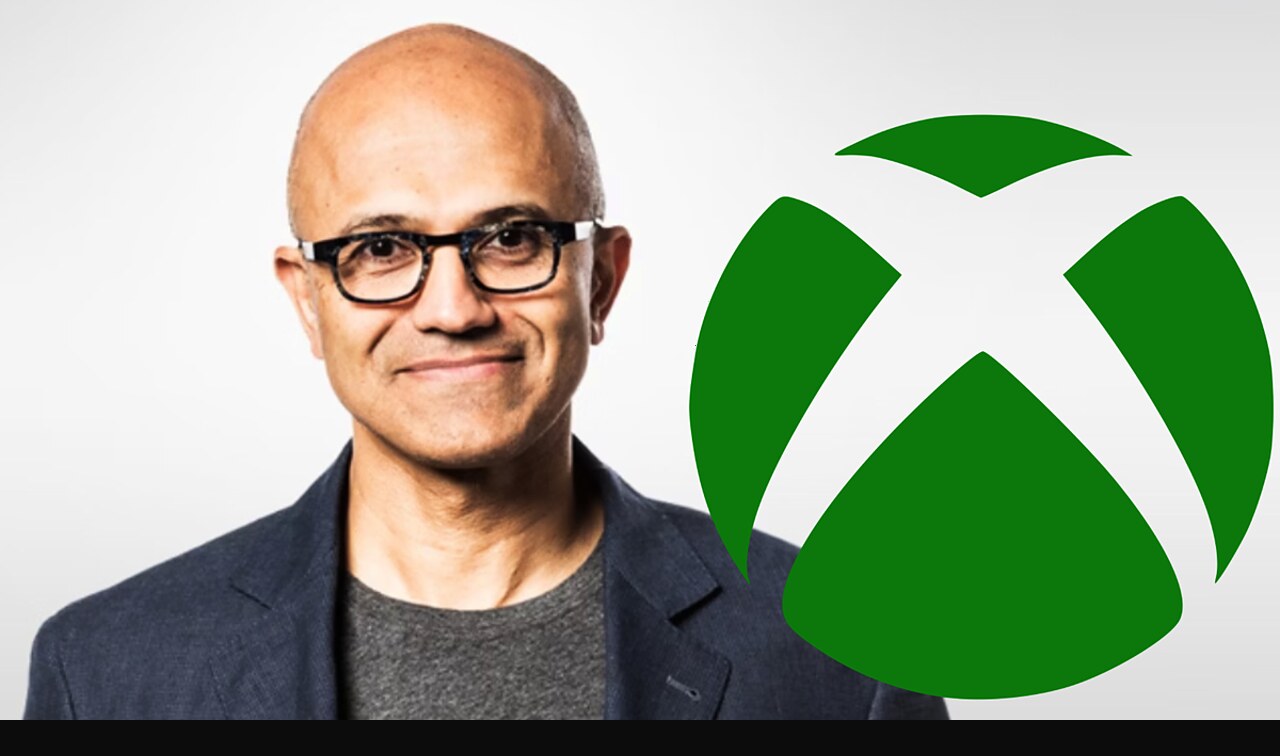
Over a year into Microsoft’s sweeping Xbox overhaul, the scale of the disruption is hard to overstate. More than 1,600 jobs have already gone, with another 1,600 reportedly planned before the fiscal year ends in June 2027. Studios have been shuttered, franchises reshuffled, and the once-ambitious Activision acquisition has been used as much as a dumping ground as a growth engine — with Halo shifted under Activision oversight and teams like Ninja Theory closed entirely.
Yet at the very top of Microsoft, the view looks remarkably serene.
Speaking on the Sources podcast with journalist Alex Heath, Microsoft CEO Satya Nadella described the process as something he finds encouraging. “I feel fantastic about the IP we have right now,” he said. “If I look at the studios, the IP portfolio we have, and our ability to then take that and produce great games going forward, I feel fantastic.”
As for the thousands of developers who have lost their jobs, Nadella offered no apology. “There’s some amount of streamlining the team is doing, and Asha is doing, which is great to see,” he said — referring to Asha Sharma, the new Xbox CEO tasked with turning the division around.
Xbox’s Restructuring — Where Things Stand
The current reset is widely described as the most significant restructuring in Xbox’s history. Double Fine negotiated independence and retained its IP. Undead Labs, the State of Decay studio, also sought independent footing. Rockstar-affiliated teams were wound down.
Xbox is now estimated to be roughly 75% through its restructuring plan — but the disruption isn’t finished. According to Kotaku, another 1,600 cuts are expected before fiscal year 2027 closes. The 268 jobs cut most recently, announced by Matt Booty, were just the latest wave.
The response from developers still inside Xbox has been raw. Staff have described morale collapsing in the wake of repeated rounds of redundancy. Nadella’s podcast comments add a further layer of contrast: for those living through the cuts, the experience is anything but great.
The “Streamlining” Comment and What It Reveals
Nadella used a Formula 1 car analogy on the podcast to describe the process — the idea that you redesign the vehicle piece by piece to go faster. Critics have noted the metaphor skips over the human element entirely.
“There’s some amount of streamlining the team is doing, and Asha is doing, which is great to see.”
— Satya Nadella, Microsoft CEO
Sharma’s own stated ambition is for Xbox to entertain more than a billion people each day. The platform currently reports around 500 million monthly active users across consoles, cloud, and PC gaming. Getting from 500 million to a billion, while simultaneously cutting costs and staff, is an enormous ask.
Nadella, for his part, framed the path in terms of business models rather than titles or teams. “We have to invent the right sustainable business model that allows us to deliver gaming to more and more people,” he said. “We want to be a great publisher and a great platform provider for games across both PCs and Xboxes.”
The FY2027 Growth Target
Microsoft has publicly committed to Xbox returning to business growth in fiscal year 2027 — the 12 months beginning July 2026. That commitment was made on the company’s Q4 FY2026 earnings call in July, and Nadella repeated it on the podcast.
The pressure that creates is significant. Xbox is not currently sharing console sales figures publicly — a telling silence for a platform once genuinely competitive with PlayStation. Game Pass subscriber numbers have also become harder to pin down as Microsoft folds them into broader “Microsoft Gaming” metrics.
Whether Sharma’s restructuring positions Xbox for genuine growth, or simply trims it into a leaner version of a platform that’s already losing ground, is the question that will define the next two years. The studios that were closed or sold off won’t be coming back.
For Nadella, the streamlining is great to see. For the game developers clearing their desks across Xbox’s many affected studios, the view is considerably different.