
Michael Major was staring at his Steamworks sales report when he noticed something was very, very wrong — or possibly very, very right. The 18-year-old developer from New Hampshire had published a game called This Game Costs 200 Dollars as a lark: a top-down title priced at Steam’s absolute maximum of $200, simply to see what would happen. What happened was $1,345,650 in potential revenue.
The key word is potential. Within weeks, nearly all of it had evaporated in a cascade of refunds, leaving Major with a net payout of $2,045 — and a story worth rather more than that.

Why Did Anyone Actually Buy a $200 Joke Game?
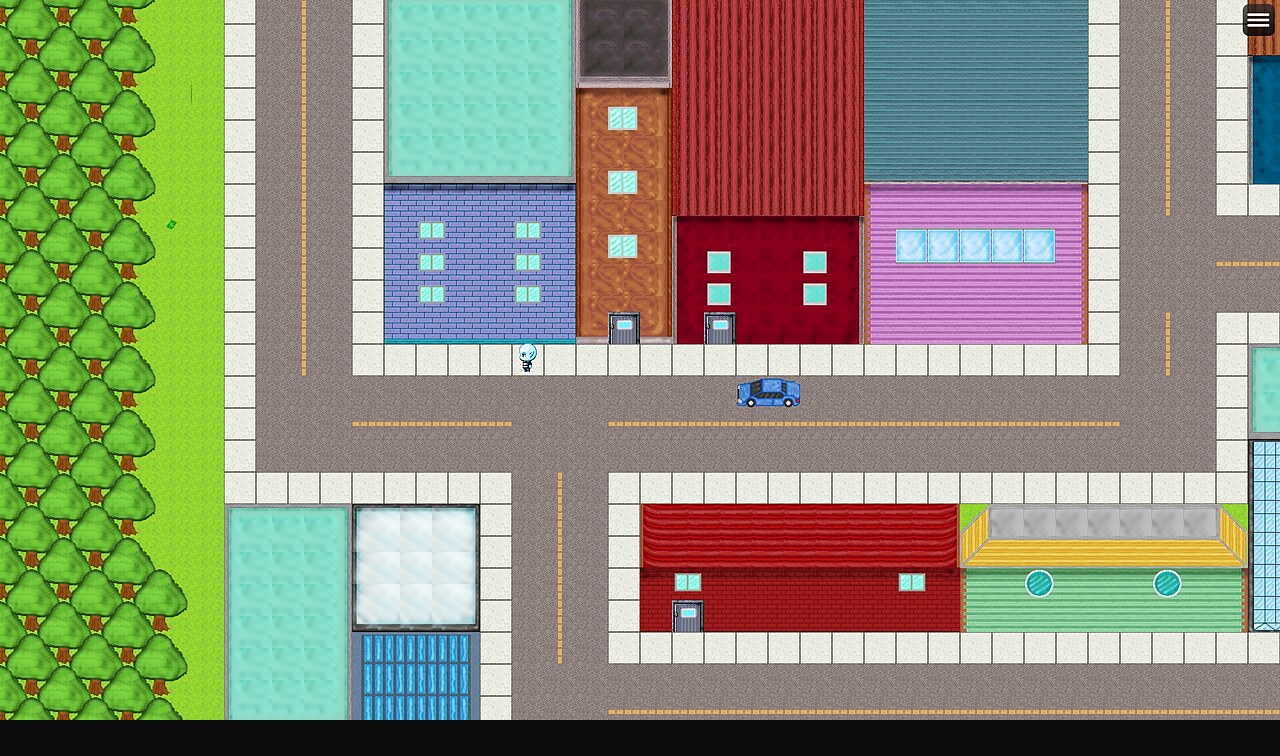
The game itself is exactly what it sounds like. This Game Costs 200 Dollars is a meme-filled, simplistic experience described on its Steam page as a “psychological ‘comedic’ experience” that is “absolutely worth every single cent.” It came out on 30 January 2026, nominally a sequel to Major’s previous effort, This Game Costs 10 Dollars, which had appeared just days earlier under his studio name, Stolen Valor Studios.
Major genuinely did not expect anyone to spend £157 on a game he’d built as a joke. He was wrong. In the months following release, his Steamworks Sales and Activations Report showed 6,717 units sold. Of those, 6,705 purchases originated in China.
The pattern of the purchases — bought and refunded almost immediately, often without the game being opened — led Major to a few theories. Steam’s points system rewards players with credits for purchases, which can be spent on profile decorations, avatar frames, and other cosmetic items. Buying a $200 game and refunding it within the two-hour window may generate those points at minimal real cost. Major also floated darker possibilities: “I have heard of expensive games on Steam being used for money laundering,” he said. “I have no idea. I could be on a hit list right now.”
“I think I almost died when I saw it,” Major told local news outlet WMUR-TV. “I would have quit my job if I’d actually made that much.”
How Steam’s Refund Policy Turns $1.4 Million Into $2,045
Steam’s refund system is deliberately generous: any game can be returned within 14 days of purchase, provided the player has spent fewer than two hours in it. For most games, that’s a fair policy that protects buyers from impulse purchases or technical problems.
For This Game Costs 200 Dollars, it meant that the vast majority of those 6,717 sales were essentially temporary. Of buyers who did open the game at all, average playtime was around 10 minutes — well within the refund window. The 6,707 refunds that followed collapsed Major’s projected £1.1 million into pocket money.
By the numbers: 6,717 copies sold · 6,707 refunded (99.9%) · Net revenue: $2,045 · 6,705 of purchases from China
What Major Actually Made — and What Comes Next
The $2,045 net isn’t nothing for an 18-year-old who treated the whole project as a bit. Major has taken the outcome with admirable good humour, describing himself as “not too fussed” about the possibility that something irregular was going on with the Chinese purchases. He’s not planning to investigate too deeply.
Steam and Valve have not commented on whether the wave of purchases triggered any review under their policies, nor whether the activity represents exploitation of the points system at scale. That questions like these can emerge from a $200 joke game is itself a small indicator of how unusual the Steam marketplace remains — a platform where viral absurdity can briefly outperform serious releases, at least on a spreadsheet.
For gaming developers watching from the sidelines, the story is both amusing and instructive: pricing a game at Steam’s maximum does not, it turns out, guarantee a million-dollar payday. Major’s experience joins a growing catalogue of odd Steam stories — games that find unexpected audiences for entirely unintended reasons.
Valve has built Steam into the dominant PC gaming marketplace largely on the back of its flexible policies, and that flexibility cuts both ways. The same refund system that protects a player from a broken game also, apparently, makes it entirely possible to “buy” a $200 title, collect your Steam points, and walk away for nothing. Whether that counts as an exploit or simply a feature working as intended depends largely on your perspective.
What is clear is that Major has not let it ruin his enthusiasm for development. He is 18, he built two games in a week as jokes, and one of them briefly appeared on a sales report as the most lucrative title he will ever make. There are worse ways to start a career in games.