
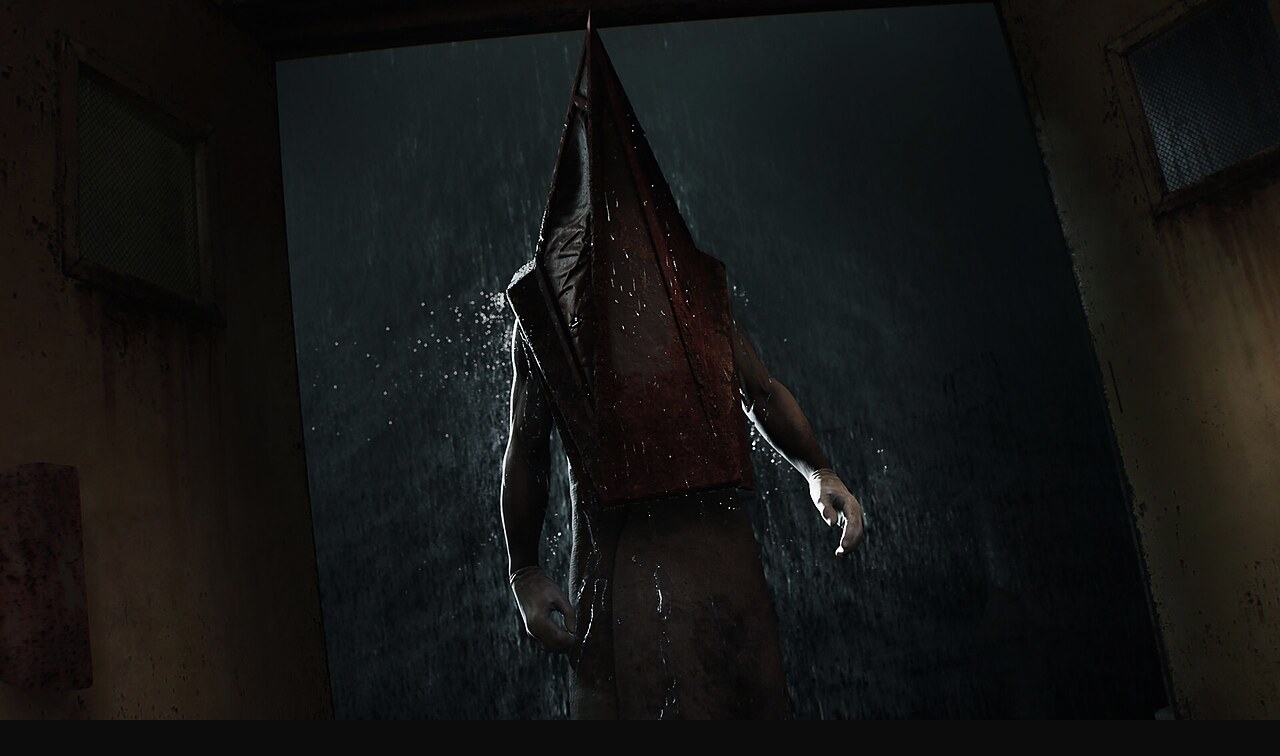
Silent Hill’s resurrection has become one of the more unlikely success stories in recent gaming. After spending roughly a decade locked away inside Konami’s corporate cupboard, the franchise has returned with three new entries in as many years — all met with positive reviews and, apparently, healthy commercial performance. Now the publisher is signalling that the fog has far from lifted.
In an interview with Japanese publication Famitsu, Silent Hill producer Motoi Okamoto confirmed that the games released so far represent only the “first wave” of Konami’s plans, with at least two additional waves currently in development. For a series that many feared was permanently dormant, the turnaround is remarkable.
Relief and Ambition
Okamoto described Konami as “relieved” by the critical and commercial reception to Silent Hill 2 Remake, Silent Hill f, and Silent Hill: Townfall. “All three titles we initially announced were able to be released successfully,” he said, adding that “they’ve also received high praise, and we are satisfied with it.”
That satisfaction, however, is clearly not enough. “Successfully launching this ‘first wave’ comes with great relief, but we’re not stopping here; we must think of the second and third waves,” Okamoto stated. “We can’t share specific details, but we’re currently looking at a number of projects.”
Three down, more to come: Silent Hill 2 Remake (Bloober Team), Silent Hill f (NeoBards Entertainment), and Silent Hill: Townfall (Screen Burn Interactive) form the “first wave.” At least two more waves are in planning.
The statement paints a picture of a producer who fought internally to bring the franchise back. Okamoto revealed that persuading Konami’s executives to pursue new Silent Hill entries was genuinely challenging, particularly in the aftermath of Hideo Kojima’s Silent Hills cancellation in 2015. That high-profile scrapping cast a long shadow over the franchise’s viability.
One Remake Was Never Enough
Okamoto was convinced early on that a single remake would not suffice. His reasoning was strategic as much as creative: “If there were only one release, wouldn’t people think that the development is going to be cancelled again?” By committing to multiple titles simultaneously, Konami could demonstrate genuine institutional commitment to the franchise’s future.
The strategy appears to have worked. Silent Hill 2 Remake, developed by Bloober Team, arrived to strong reviews and re-established the series as a viable property. Silent Hill f, developed by NeoBards Entertainment, transported the psychological horror to Japan and was described by reviewers as a “true return to form.” Silent Hill: Townfall, from Screen Burn Interactive, explored a Scottish setting and earned praise for its understanding of what makes the series distinctive.
“Successfully launching this ‘first wave’ comes with great relief, but we’re not stopping here; we must think of the second and third waves.” — Motoi Okamoto, Silent Hill producer
Bloober Team Returns to the Original
While Konami is keeping the specifics of future projects under wraps, one upcoming title is already confirmed. Bloober Team, fresh from their acclaimed Silent Hill 2 Remake, is turning its attention to the original 1999 Silent Hill. Remaking the game that started it all presents a different kind of challenge — the original’s narrative is considerably simpler than its legendary sequel, and translating that minimalist horror for modern audiences will test Bloober Team’s design instincts.
Whether NeoBards Entertainment and Screen Burn Interactive will return to the series remains unconfirmed. Both studios have demonstrated a strong grasp of the franchise’s identity, but Konami has not indicated whether they will feature in the second or third waves.
From Dormant to Prolific
The contrast with Silent Hill’s recent past is striking. For years after Silent Hills was cancelled in 2015, the franchise appeared effectively dead. Konami’s pivot toward mobile and pachinko machines left little room for the psychological horror series that had defined the studio’s creative reputation. Fans campaigned for a return, but corporate interest seemed minimal.
Okamoto’s persistence changed that trajectory. By arguing that a single release would look like another false start, he secured commitment to a multi-title strategy that has now borne fruit. The question facing Konami now is whether the momentum can be sustained across additional waves without diluting the franchise’s identity.
Silent Hill’s revival stands as a rare example of a dormant franchise returning not just successfully, but with genuine creative ambition. The series has moved beyond simple nostalgia, with each entry exploring different settings and perspectives while maintaining the psychological horror foundations that defined the originals.
For players who have waited years for new Silent Hill content, Okamoto’s comments offer genuine encouragement. The fog may be thick, but the path ahead is clearer than it has been in decades.