
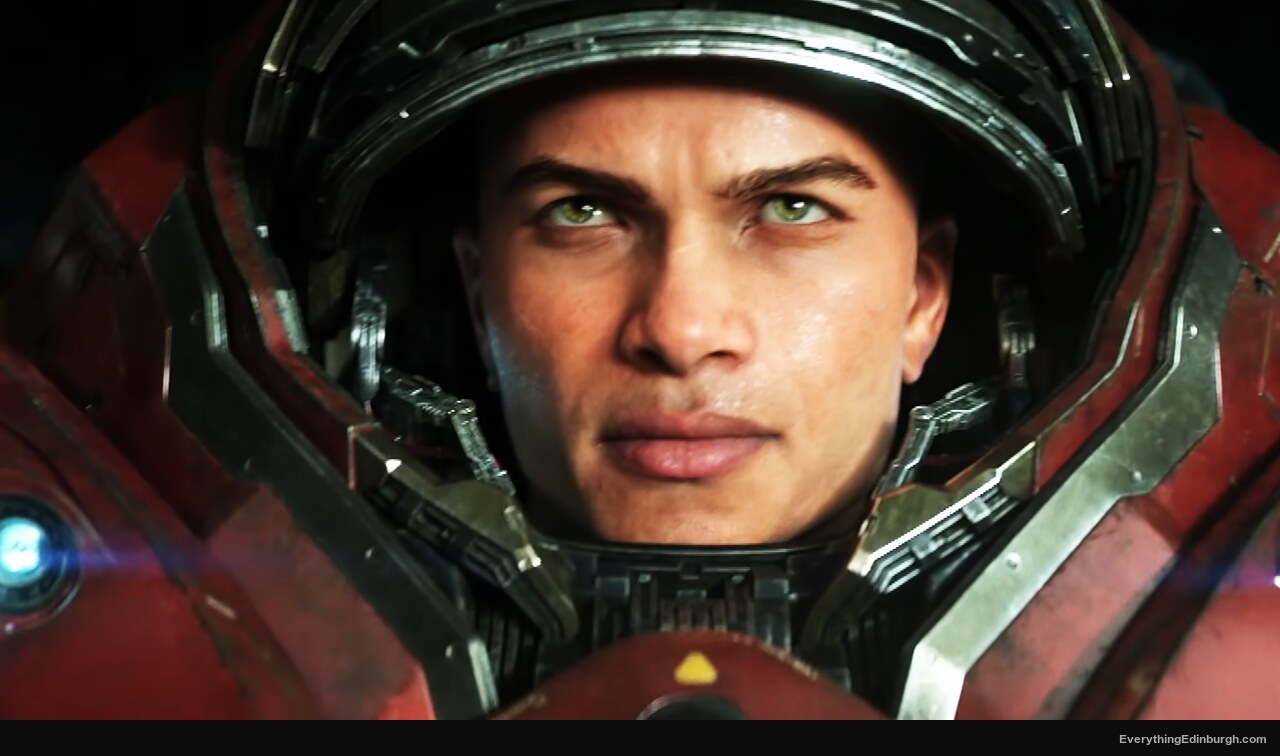
Blizzard’s BlizzCon 2026 opening ceremony ended with a surprise that nobody fully predicted: a new StarCraft game. Not an RTS sequel, not a mobile spinoff — a third-person open-world shooter, set 70 years after StarCraft 2, led by Dan Hay, the producer behind several entries in the Far Cry series. Simply called StarCraft, it is targeting a 2030 release and it sounds genuinely unlike anything the franchise has produced before.
Not What Anyone Expected
The StarCraft series has been effectively dormant since StarCraft 2’s Wings of Liberty campaign era ended its episodic DLC run, with competitive play keeping the brand alive but no major new content in years. What BlizzCon revealed is Blizzard’s intent to re-ignite the universe — not through a strategy game sequel, but through a genre shift.
Dan Hay’s involvement is telling. His Far Cry background points toward a specific type of open world: expansive, mission-driven, with a strong sense of place and player agency. The reveal trailer introduced a Marine named Holt caught up in the grim machinery of the Terran Dominion military, suggesting the game will put players close to the ground-level human experience of the Koprulu Sector — rather than the god’s-eye RTS view longtime fans are used to.
Key detail: StarCraft is a PC exclusive announced at BlizzCon 2026. No release date beyond a 2030 target has been confirmed. Dan Hay (Far Cry) leads development at Blizzard.
A Story With a Beginning, Middle, and End
The headline phrase from the BlizzCon presentation was “a definitive ending.” Hay was explicit about what that means: StarCraft is a box product with a complete narrative arc. You create a character, name them, and follow their story — a story that has consequences along the way and a deliberate conclusion. It is not a seasonal live-service game designed to keep players returning indefinitely.
“We hope players enjoy it, love it, and return to us later,” Hay said — that phrasing carefully acknowledging sequels are possible without committing StarCraft to a forever-running games-as-a-service structure. The distinction matters enormously in 2026, where shooter players have been conditioned to expect seasonal battle passes, rotating content, and indefinite progression treadmills. StarCraft is apparently none of that.
Missions carry narrative weight — if one proves too difficult, the open world exists to let you scavenge gear, explore, and return stronger. The game’s structure punishes neither rushing through nor taking time to explore the wider setting.
The Setting: 70 Years After StarCraft 2
No platforms beyond PC were announced, and Blizzard made no mention of console support during the BlizzCon presentation. That’s worth noting for a genre — open-world shooters — where console audiences often make up a significant portion of the player base. Whether that changes before 2030 is an open question.
Moving the timeline forward 70 years gives Blizzard room to tell new stories without being bound by the specific character arcs of Raynor, Kerrigan, and Arcturus Mengsk. The Terran Dominion still exists, but what shape it takes after seven decades is a story the game gets to define. The trailer hinted at a corrupt and oppressive military structure — familiar StarCraft territory — viewed from inside, through the eyes of soldiers rather than commanders.
For players who loved the narrative missions of Wings of Liberty and Heart of the Swarm, StarCraft looks like a direct spiritual successor to that experience, scaled into an open world. For the competitive RTS community, it is clearly a different game entirely. Blizzard has not announced any plans to revive competitive StarCraft 2 alongside this release, nor to replace it — the two appear to exist independently. Diablo 5 and WoW Forever have nearer release windows, but StarCraft’s 2030 target makes it the most ambitious long-game announcement to come out of BlizzCon 2026.
The reveal also raises questions about StarCraft’s competitive future. The franchise’s esports scene built one of the most dedicated RTS audiences in history, but BlizzCon’s StarCraft slot was occupied entirely by the shooter announcement rather than news about StarCraft 2 ladder support or a competitive season. Whether Blizzard views the two as parallel tracks or a deliberate handoff remains to be seen — but for now, the franchise is heading somewhere entirely new, and the studio has nearly four years to show whether the gamble pays off.