
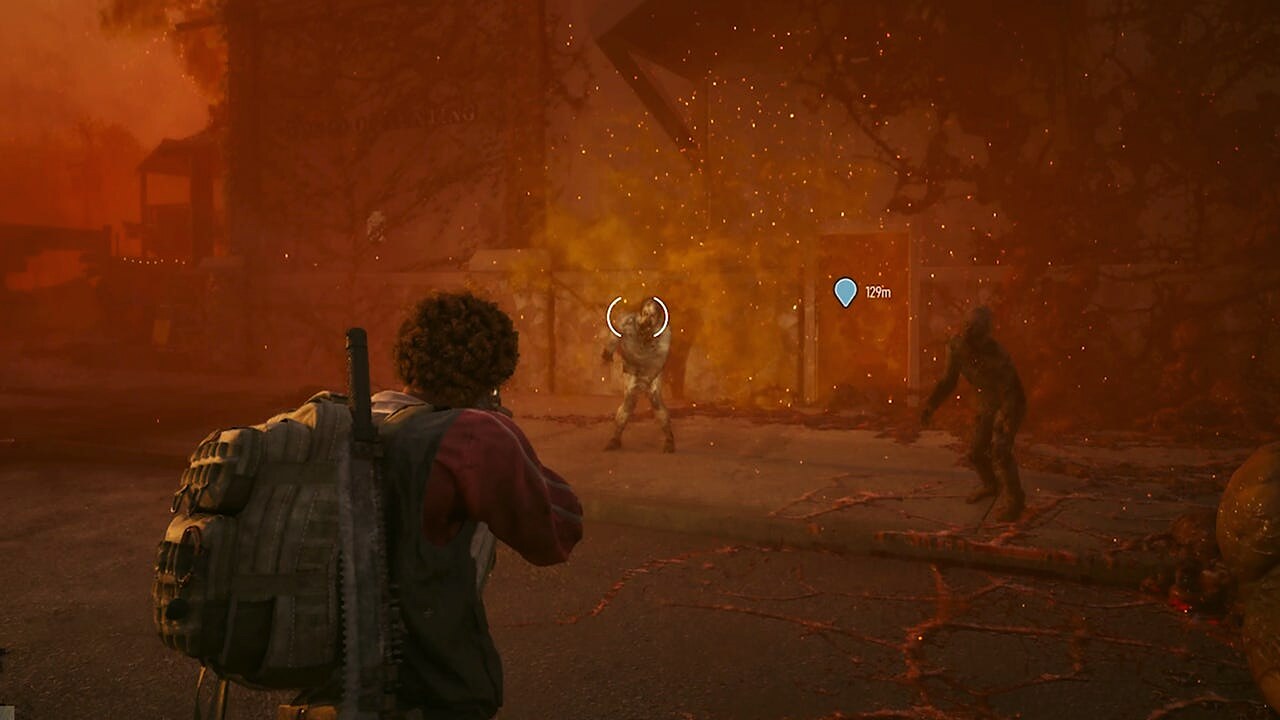
State of Decay 3 was announced at an Xbox Games Showcase in 2020. In the years that followed, developer Undead Labs went quiet, Xbox went through a painful period of closures and layoffs, and the game’s fate looked genuinely uncertain at points. Then, at gamescom 2026, it turned up — not just in a trailer, but in a playable alpha build that journalists spent 30 minutes with. It is very much alive.

From Xbox Upheaval to New Ownership
The story behind State of Decay 3‘s development is inseparable from what happened to Xbox during the same period. Undead Labs, acquired by Xbox in 2018, was among the studios caught up in the sweeping layoffs and restructuring that hit Microsoft’s gaming division earlier this year. Reports suggested the studio might be closed entirely. It was instead sold to an undisclosed new owner — and development continued.
Executive producer Patrick Hooley, who showed the game at gamescom, is clearly aware of the irony: the studio survived one of Xbox’s most turbulent stretches and came out the other side with a game that, at alpha, already feels more stable than State of Decay 2 did at launch. “The single biggest lesson we learned is building the game with the community,” Hooley told press. “State of Decay 2 had a little bit of a rocky launch, and now we’re very proud of where we got it to.”
Punchier Combat, Smarter Bases, Bigger Hordes
The 30-minute demo covered several of the game’s systems. The most immediately noticeable improvement over previous entries is the gunplay — State of Decay 3 now plays much closer to a third-person action game in terms of feel, with more responsive movement, tighter aiming, and weapons that carry genuine weight. The shift is deliberate; Undead Labs wanted the base survival systems to sit inside moment-to-moment combat that feels genuinely good, rather than functional.
Big change: Plague Hearts now operate as networks. Clearing connected infestation sites weakens the central Heart — giving players strategic options if the main target is too strong for their current survivor squad.
Base management has been expanded with branching facility upgrades — rather than a single linear path for each building, players can now specialize facilities toward specific functions. Character traits are procedurally assembled and can evolve over time: negative traits can improve by completing relevant tasks, though they never disappear entirely. Vehicles, too, have seen significant work since State of Decay 2, and now feel appropriate to the world rather than like a borrowed system from another game.
Solo or With Mates — Both Still Work
The gamescom demo was shown in co-op, but Undead Labs is explicit that single-player remains central to the experience. A new system allows players to invite others into their save file — who can then jump in and play independently, whether the original player is online or not. That shared world carries the full weight of the franchise’s permadeath rules, meaning who you invite and how carefully they play genuinely matters.
Hooley mentioned that the studio had been running alpha tests with real players since May 2026, with results shifting some historically solo players toward co-op. “We’re even getting some of those folks who are historically single-player heavy to dabble in multiplayer and have their perspectives shift,” he said.
What Comes Next
Undead Labs plans a closed playtest before the end of 2026, ahead of the full release in 2027 across PlayStation 5, Xbox Series X/S, and PC via Steam. Given how many studios have come and gone in the time since this game was announced, a 2027 launch — from a team that survived genuine existential pressure — would be a meaningful result for everyone who stuck with the series.