
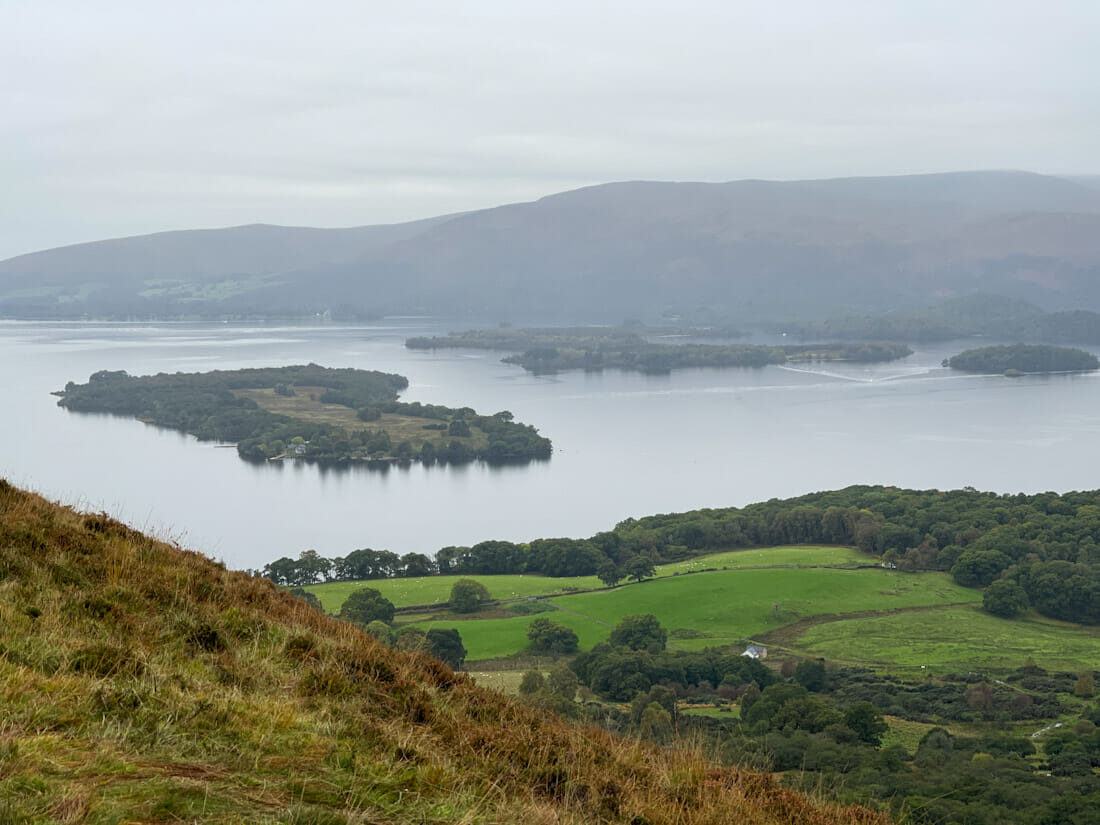
Loch Lomond is the closest slice of the Highlands to Glasgow and Edinburgh, and for a lot of visitors it is the first taste of Scotland beyond the cities. The loch itself is the largest stretch of fresh water in Britain by surface area, wide and island-scattered at its southern end, then narrowing into steep, moody fjord country as you head north. Around it sits the Loch Lomond & The Trossachs National Park, the second-oldest in the UK, which folds in a second landscape entirely: the wooded glens, small lochs and modest peaks of the Trossachs to the east.
Want to explore more? Book the Loch Ness, Glencoe & Highlands day tour through GetYourGuide — free cancellation on most options.
The thing to understand before you go is that "Loch Lomond" is not one place. It is a ring of very different villages and viewpoints, and which one you aim for decides your whole day. This guide breaks the area into the six spots worth your time — from Balloch, the transport gateway, to the wilder Trossachs — so you can pick the one that matches whether you want an easy cruise, a proper hill climb, or the prettiest village on the water.
The 6 Best Areas Around Loch Lomond
Balloch
Gateway
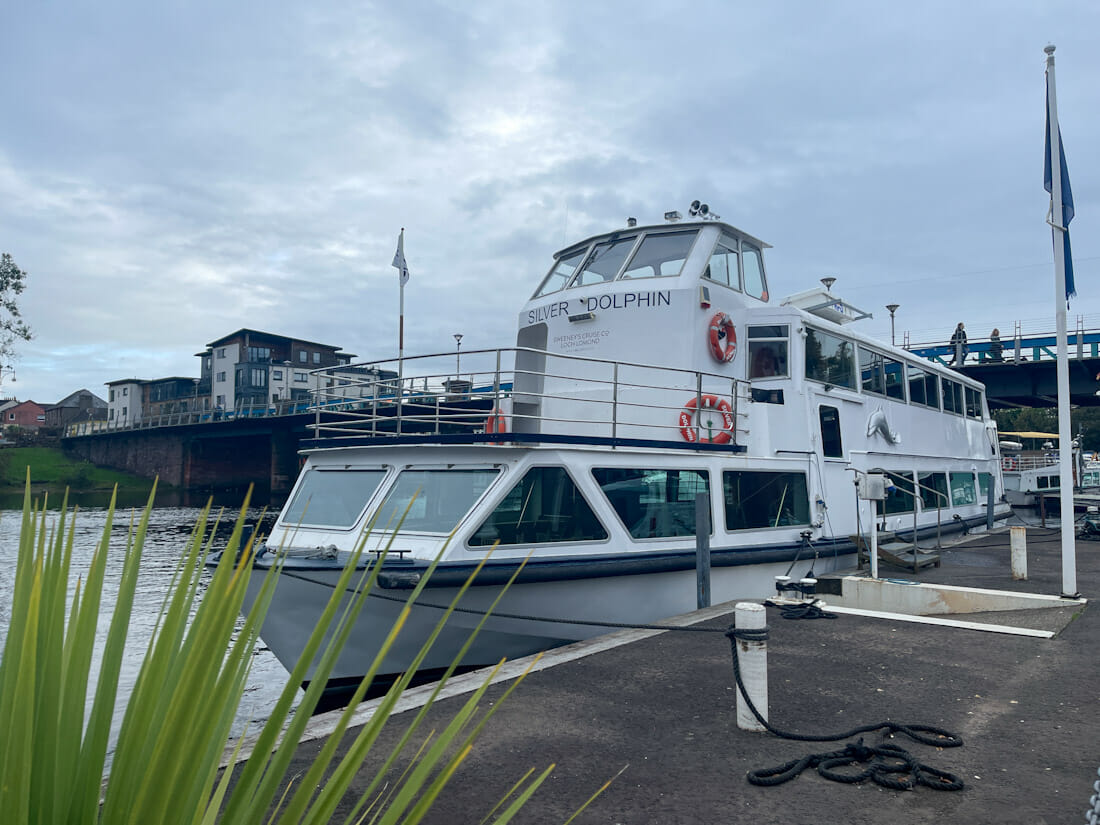
The main gateway town at the loch’s southern tip. Trains from Glasgow arrive here, boat cruises depart from the pier, and the country park lawns run down to the water.
Loch Lomond Shores
Family
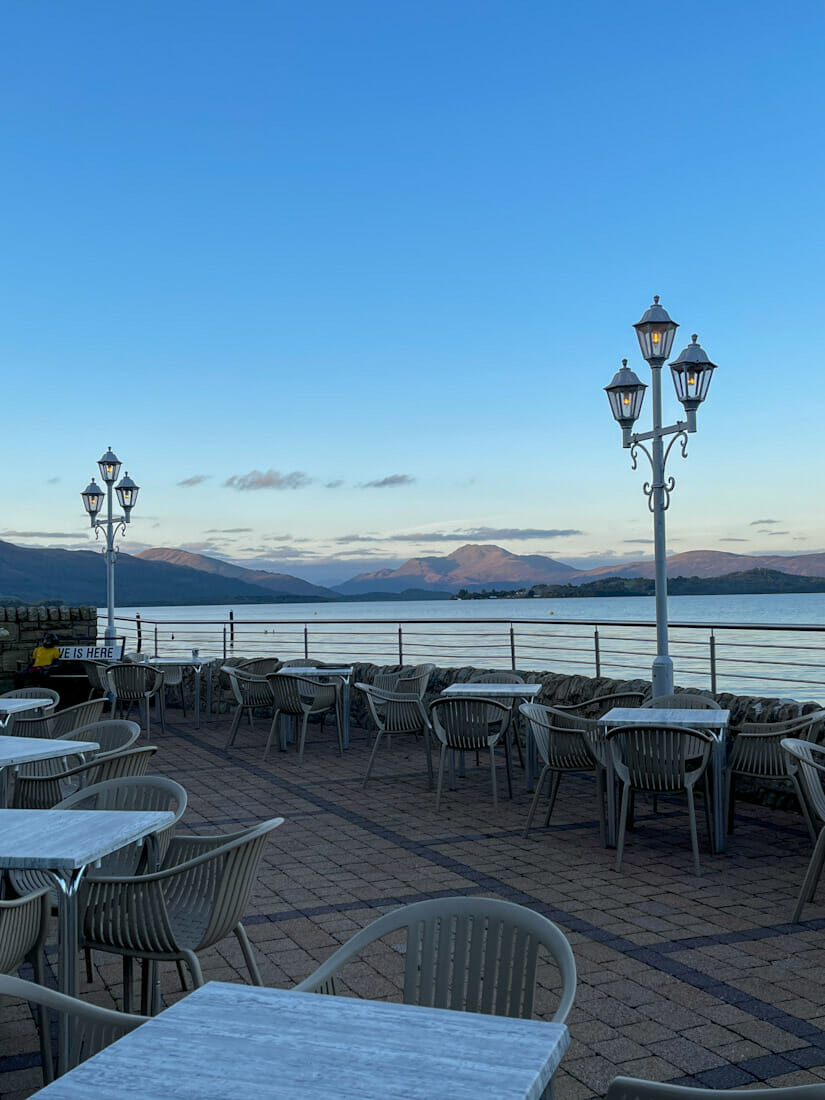
A lochside leisure complex with the Sea Life aquarium, Loch Lomond Bird of Prey Centre, the Drumkinnon Tower viewpoint and a retail pavilion. The wet-weather answer.
Balmaha
Best walk
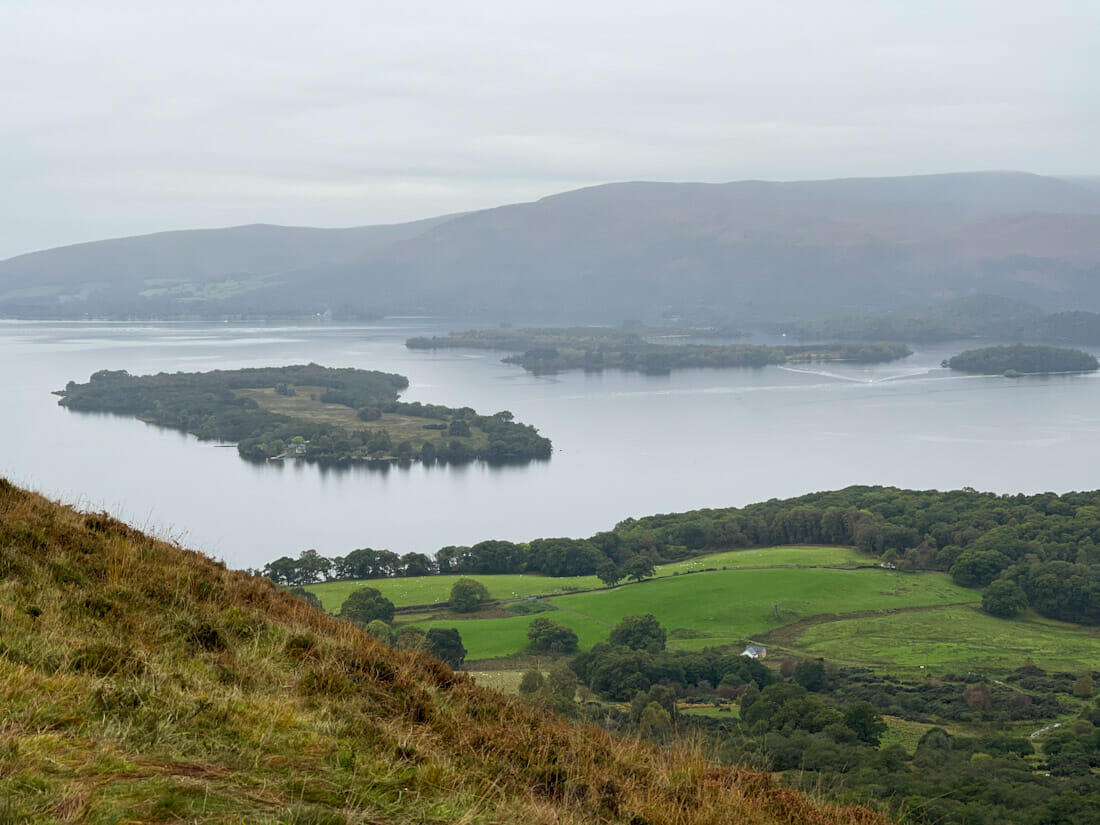
A tiny east-shore village and the launchpad for Conic Hill, the short sharp climb with the postcard view down the island-studded loch. On the West Highland Way.
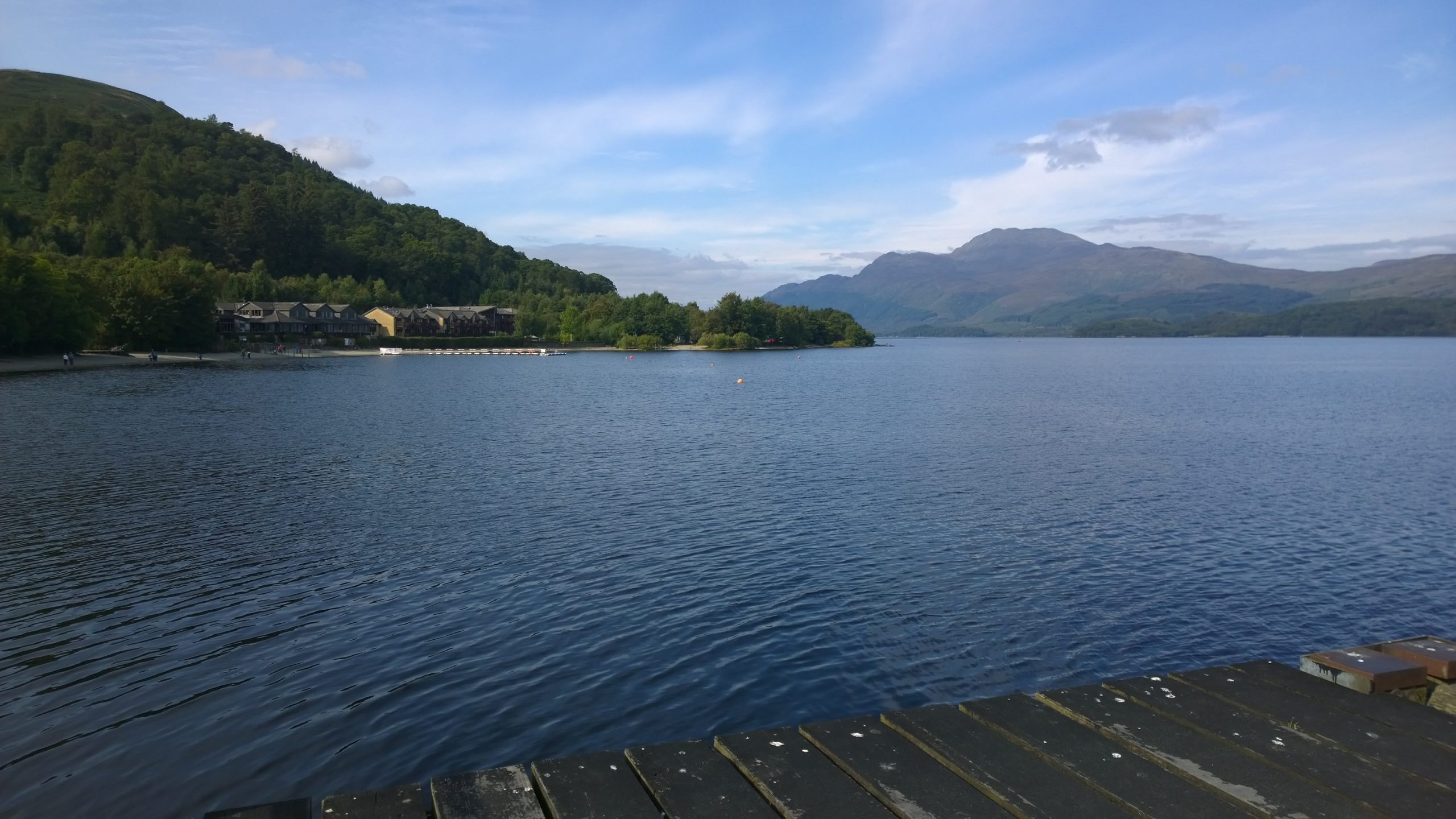
Luss
Prettiest
The most photographed village on the loch — rows of 19th-century slate-and-sandstone cottages, a sandy beach, a historic parish church and a pier for cruises.

Arrochar
The Cobbler
A village on sea-water Loch Long at the foot of the Arrochar Alps, the base for climbing The Cobbler (Ben Arthur) — the most characterful peak in the area.
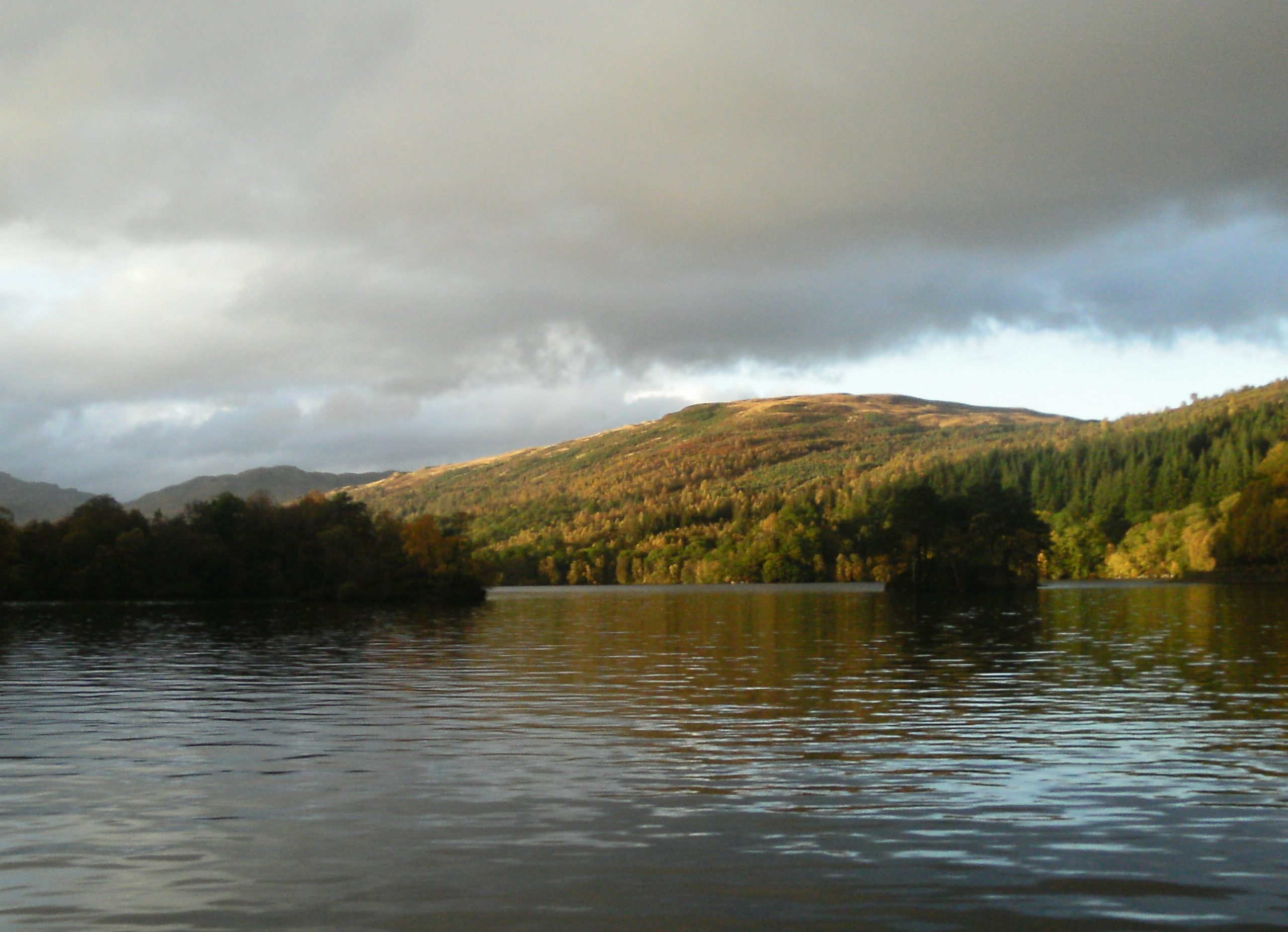
The Trossachs
Wild side
The wooded glens and smaller lochs east of Loch Lomond — Loch Katrine steamship cruises, Ben A’an’s short summit, and Aberfoyle as the touring base.
Loch Lomond Areas Compared
| Area | Best for | Signature walk / activity | Get there by |
|---|---|---|---|
| Balloch | First-timers, no car | Boat cruise, country park | Train from Glasgow |
| Loch Lomond Shores | Families, wet weather | Sea Life aquarium, falconry | Train + short walk |
| Balmaha | Walkers | Conic Hill (1.5-2 hrs) | Car or bus |
| Luss | Photos, easy stroll | Village, beach, pier cruise | Car or bus |
| Arrochar | Hillwalkers, Munro-baggers | The Cobbler (5-6 hrs) | Train or car |
| The Trossachs | Quieter days, cyclists | Loch Katrine cruise, Ben A’an | Car |
How to Choose Where to Go
If it is your first visit and you are not driving, go to Balloch. The train from Glasgow Queen Street takes about 45 minutes and drops you a five-minute walk from the pier, the country park and Loch Lomond Shores. That corner alone can fill a day, and none of it needs a car.
If you came to walk, the decision is about ambition. Balmaha‘s Conic Hill is the classic Loch Lomond payoff — under two hours up and down for the island view everyone photographs. Arrochar‘s Cobbler is a full mountain day and should not be underestimated. For scenery without the climb, Luss is the prettiest village on the shore and The Trossachs trade the crowds for quiet glens and the Loch Katrine steamship.
Getting There
From Glasgow it is roughly a 40-minute drive to Balloch, or a direct train to Balloch or Arrochar & Tarbet. From Edinburgh, allow around an hour and a half by car via the M8 and M9; there is no direct train, so most Edinburgh visitors either drive or book a day tour. Once you are there, a car makes the east shore (Balmaha) and the Trossachs far easier — public transport thins out quickly away from Balloch. If you are stopping en route from the north, the Green Welly Stop at Tyndrum is the traditional refuel-and-coffee halt, and Stirling, with its castle and the Wallace Monument, pairs neatly with a Trossachs day.
Visiting Responsibly
Much of the loch shore falls under seasonal byelaws and a camping-management zone between roughly March and September — informal roadside camping is restricted, so book a campsite or permit rather than pitching where you like. Stick to the paths on Conic Hill and Ben A’an to limit erosion, take all litter home, and park only in marked areas; the lay-bys around Luss and Balmaha fill fast on summer weekends. Leave no trace and the place stays worth returning to.
Frequently Asked Questions
Is Loch Lomond worth visiting for a day trip from Glasgow or Edinburgh?
Yes. From Glasgow it is a 40-minute drive or a direct 45-minute train to Balloch, making it an easy half or full day. From Edinburgh it is about 90 minutes by car, so most visitors either drive or take a guided day tour that also stops in the Trossachs or at Stirling.
What is the best part of Loch Lomond to visit?
It depends on your day. Balloch is best if you have no car and want cruises and a park; Balmaha is best for the classic Conic Hill walk; Luss is the prettiest village; and Arrochar suits serious hillwalkers heading up The Cobbler. The Trossachs are quieter and good for cyclists.
Can you visit Loch Lomond without a car?
Yes, but with limits. Balloch and Loch Lomond Shores are reachable by direct train and Arrochar & Tarbet has a station too. The east shore (Balmaha) and the Trossachs are much harder without a car, as bus services are infrequent, so a car or a day tour is best for those areas.
How much does it cost to visit Loch Lomond?
The loch and its villages are free to visit. You will usually pay for parking (roughly 4 to 8 pounds a day at popular spots), and paid attractions like the Loch Katrine steamship, Sea Life aquarium or boat cruises are extra. Walking Conic Hill or the shore paths costs nothing.