“I’ll just admit that [we leaked the trailer]. I think we can’t get in trouble for that now. It’s like 20 years ago.”
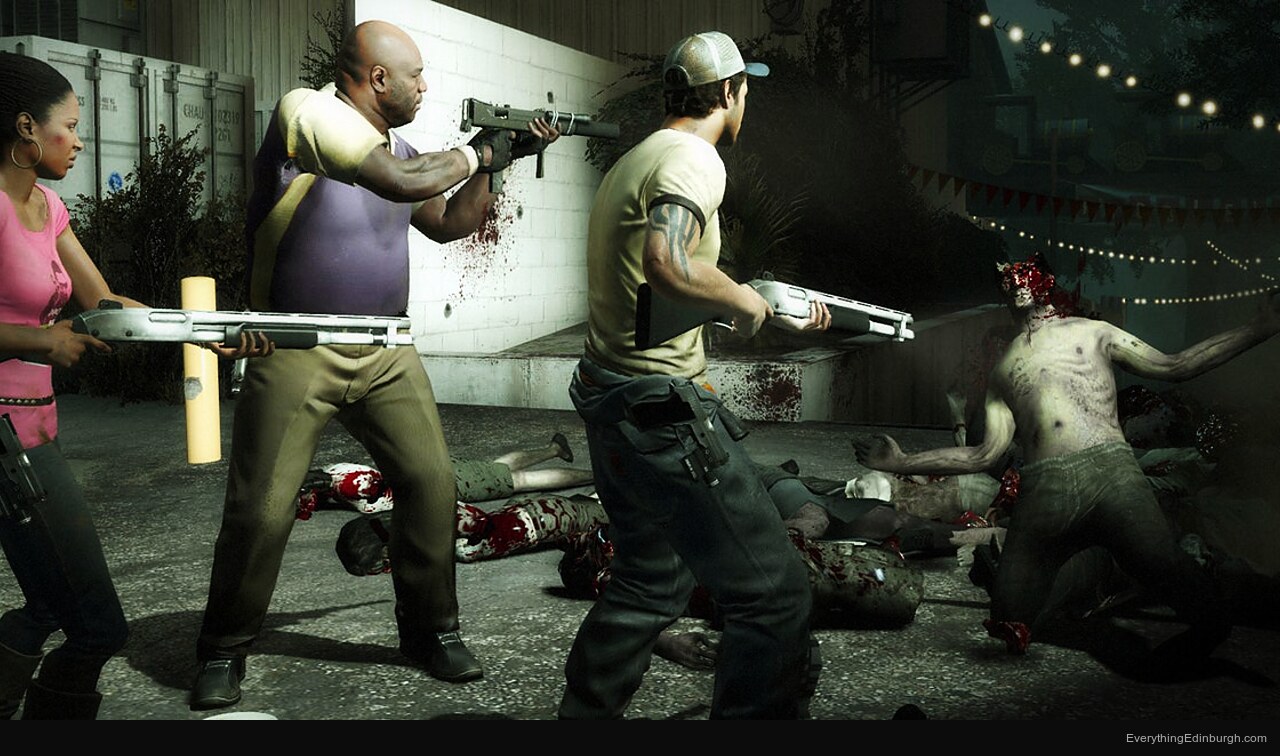
That’s former Valve writer Chet Faliszek, calmly confirming in a new YouTube video what gaming historians had long suspected: the notorious 2009 “leak” of the Left 4 Dead 2 trailer was deliberate. Valve staged it. Every forum post treating it as an accidental release was wrong.
The ESRB Wouldn’t Let Valve Release the Trailer
The reason was straightforward. At the time, the Entertainment Software Rating Board held authority not just over finished games but over the marketing materials tied to them — including trailers submitted for public release. The ESRB could, and did, refuse to approve content it deemed inappropriate.
Valve’s Left 4 Dead 2 trailer was exactly the kind of content the ratings board had been pushing back on. The game itself was in regulatory fights across multiple territories over its violence and language. “You have to remember… Valve was in fights with the ESRB, with Australia, with Germany, with a bunch of countries about the profanity in the game, the violence,” Faliszek said.
Rather than produce a softer cut for official submission, Valve pushed the original trailer out through unofficial channels and let it spread as though it had leaked without authorisation. Because the file was never formally submitted for ESRB marketing approval, the ratings board had no mechanism to block it. The footage reached its target audience intact.
The Finger Logo That Got Banned First
The staged trailer wasn’t even Valve’s first ESRB clash over Left 4 Dead 2 that year. Earlier in 2009, the ratings board had objected to Valve’s promotional image for the game: a hand with three fingers gnawed completely off, leaving two intact to form the “2” in the sequel’s branding.
The ESRB required it to be changed. Valve’s solution was characteristically clever — rather than redesign the image, they kept the same hand but curled the missing fingers under the palm instead. The visual reads the same; the graphic detail is gone. That reworked version became the logo everyone knows.
“We leaked our trailer ahead of time because they wouldn’t let us release the trailer.” — Chet Faliszek, former Valve writer
Valve Wasn’t Alone — The ESRB Was Busy in 2009
The ratings board’s actions against Valve’s trailer sat within a broader pattern. Around the same time, the ESRB forced D3’s Dark Sector and 2K’s The Darkness to remove trailers that had already been circulating behind age gates, ruling that both were likely to “cause serious offense to the average consumer.”
For Valve, the stakes were clear. Two years earlier, Rockstar’s Manhunt 2 had become one of the few games to receive the ESRB’s Adults Only (AO) rating — a classification that effectively locked it off retail shelves. Left 4 Dead 2 was violent enough that the same outcome wasn’t impossible. The M rating the game ultimately received — Mature 17+, with descriptors for Blood and Gore, Intense Violence, and Language — was the commercially viable result Valve needed.
A Marketing Hack That Worked, Then Became History
The staged leak landed exactly as planned. The trailer spread across gaming forums and early video platforms in late 2009, generating organic buzz without ever passing through the ESRB’s marketing approval process. The footage Valve distributed later became the game’s actual intro cinematic — the same clip millions of players have seen at the start of Left 4 Dead 2 ever since.
Faliszek’s account surfaces a chapter of gaming history that was hiding in plain sight. The ESRB’s grip on marketing materials has loosened considerably since 2009; current guidelines explicitly allow trailers to use game footage provided it doesn’t exceed the game’s content rating. What Valve did was an edge-case manoeuvre specific to a particular regulatory moment — one that worked, left no lasting consequences, and has now taken 17 years to be officially confirmed.