
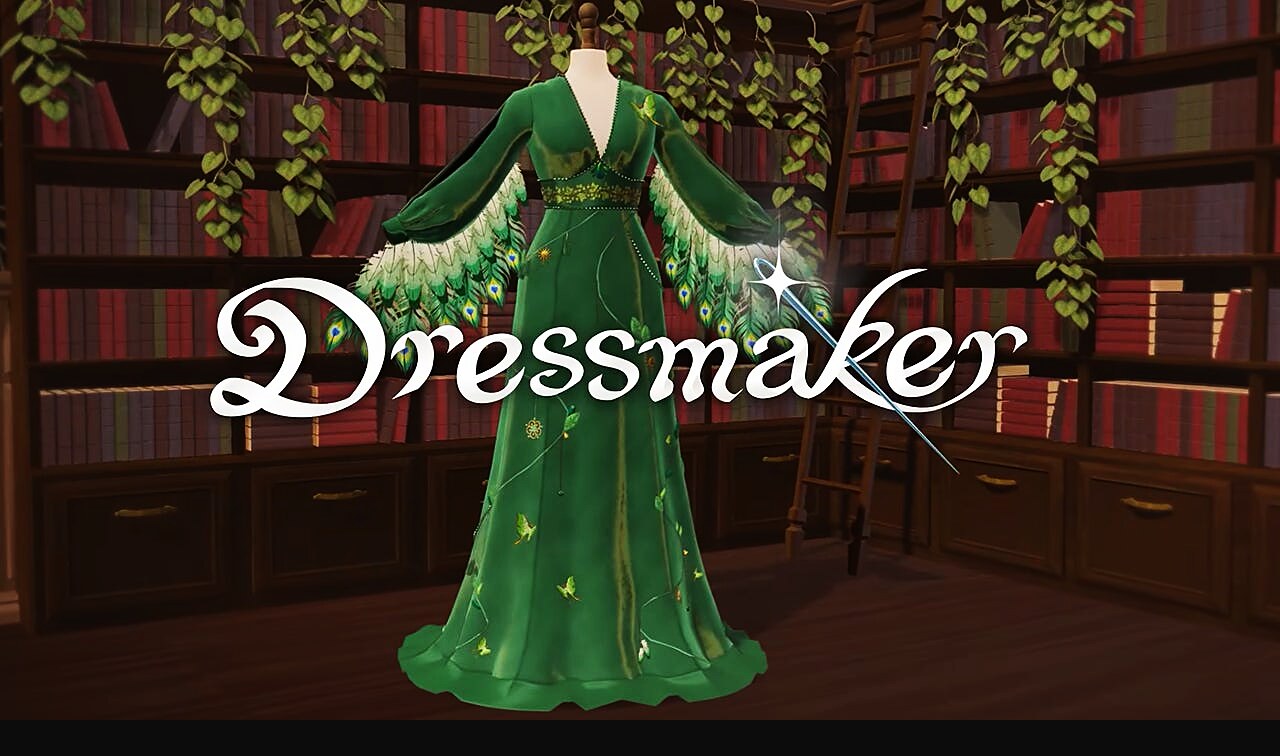
A cozy dressmaking boutique simulator launched on 21 September 2026 and within days had climbed into Steam’s global top sellers list, sitting at ninth place and outranking titles like Diablo 4 and Control Resonant. The game is called Dressmaker, and it is exactly what it sounds like — and then a little more devious than that.
Dressmaker currently holds a 96% rating on Steam, placing it in “Overwhelmingly Positive” territory. That score, combined with its rapid chart performance, signals something the platform sees periodically: a small, focused game arriving at the right moment and connecting with an audience that was apparently waiting for it.
What Is Dressmaker and How Does It Work?
Dressmaker is a styling and management sim in which players run a dressmaking boutique, designing outfits and serving clients. Players take on commissions, choose fabrics, manage their workshop, and build a reputation across a clientele that has increasingly specific — and sometimes demanding — tastes. The core loop sits comfortably in the cozy game space: low-pressure, creative, with a strong visual style that lends itself to the kind of session you pick up without a specific destination in mind.
The unexpected wrinkle is a “sabotage” mechanic. Players who want to play it messily have the option to deliberately undermine their own boutique’s clientele — a design choice that gives the game a mischievous edge beneath the relaxed surface. It is the sort of thing that tends to generate short-form video content, which almost certainly contributed to Dressmaker’s early momentum.
The game launched at $14.99 and is currently available with a 10% launch discount, bringing it to $13.49. That price point — under $15 — puts it in a comfortable impulse-purchase bracket that cozy and simulation games have historically occupied well.
How High Has It Climbed on Steam?
According to SteamDB, Dressmaker is currently sitting at 17th on Steam’s top sellers chart, with 15,550 players in-game at its peak concurrent count. It also ranks 7th in wishlist activity — a signal that the game is still pulling in new players rather than burning through an existing fanbase. Its debut entry into Steam’s weekly Top 100 was at number 89, and it has been climbing since.
The titles it has displaced in the rankings are not struggling indie games. Diablo 4, a major Blizzard release with years of post-launch content, and Control Resonant, a high-profile sequel, both currently sit below Dressmaker on the chart. For a cozy management sim priced under $15, that is a meaningful statement about where player interest is sitting right now.
Why the Cozy Genre Keeps Punching Above Its Weight
This is not the first time an unassuming indie has outperformed expectations on Steam in 2026, and it is unlikely to be the last. The platform’s algorithm tends to reward games that generate social engagement quickly, and Dressmaker’s combination of aesthetics and that mischievous sabotage element appears to have done exactly that.
Dressmaker’s performance is not an isolated event. The cozy and retail sim space on Steam has been producing viral hits with regularity, suggesting the genre has found a persistent audience that major publishers are still largely underestimating. Games that centre on creative expression, low-friction gameplay, and social media-friendly visuals have a structural advantage in the current market.
The sabotage mechanic in Dressmaker is a small but clever example of how these games differentiate themselves. A game can be soft and accessible while still offering players something surprising to discover and share. That combination — approachable by default, chaotic if you want it — has become something of a formula for breakout success in the cozy tier.
Whether Dressmaker sustains its chart position as the launch window closes remains to be seen. Launch discounts tend to inflate early numbers, and the real test will be whether word-of-mouth continues once the 10% offer expires. The wishlist activity being this high suggests momentum has not yet peaked. A 96% review score means early players are satisfied enough to actively recommend it — which, on a market as crowded as Steam, remains the single most reliable driver of sustained performance for an indie title at this price point.