The axe has fallen at Ninja Theory. Multiple developers at the Cambridge-based studio have confirmed they are facing redundancy on LinkedIn, marking the latest and most personal chapter in Xbox’s sprawling restructuring that was first announced in July 2026.
Principal sound designer Daniele Galante, who spent nearly nine years at the studio, wrote that his position was now “at risk.” Other staff members, including Katrin Mair and Stefano Prosperi, posted similar confirmations of the consultation process landing directly on employees. One programmer described the situation as “incredibly sad knowing that we won’t get to finish what we were working on.”
Two Deals Collapsed
The immediate cause is the failure of two separate attempts to sell Ninja Theory to external buyers. Xbox chief content officer Matt Booty confirmed in a staff memo that “two separate agreements for Ninja Theory fell through,” leaving the studio with no obvious path to continued operation under Microsoft ownership.
The company has entered a consultation period with employees regarding proposed permanent closure, while simultaneously stating it continues to “explore other paths forward.” That language offers a thin thread of hope, but the tone of developer posts on social media suggests the teams themselves are preparing for the worst. The emotional weight of the announcements is palpable — these are people who have spent years building some of Xbox’s most distinctive exclusives.
Context: Ninja Theory’s troubles are part of Xbox’s broader “reset” — up to 3,200 job cuts across fiscal year 2027, with the division now roughly three-quarters of the way through its planned restructuring.
The Wider Xbox Reset
The July restructuring, described by Xbox CEO Asha Sharma as “the most significant restructure in Xbox history,” initially axed 1,600 roles and announced the divestment of four studios. Double Fine Productions and Compulsion Games both secured independence, departing with their intellectual property intact. Undead Labs eventually found a new publisher for State of Decay 3.
Ninja Theory and Arkane Lyon were the outliers. A further 268 layoffs in September brought the total closer to the 3,200 target, with Booty confirming cuts across Halo Studios, other first-party teams, and Xbox Game Studios management. Arkane’s consultation remains ongoing, expected to continue through the end of the year, though the Prey and Dishonored developer’s situation mirrors Ninja Theory’s in many unsettling ways.
“The actions completed since July, inclusive of the studio divestitures, bring us roughly three-quarters of the way through previously announced restructuring.” — Matt Booty, Xbox CCO
Sharma has stated that the cuts are necessary for Xbox to return to growth and profitability, though she noted the company would not replace lost roles with AI. The restructuring has drawn criticism from industry figures who argue that Microsoft’s acquisition spree — which brought Bethesda, Activision-Blizzard, and numerous first-party studios under one roof — was always going to lead to painful consolidation.
What Happens to Senua?
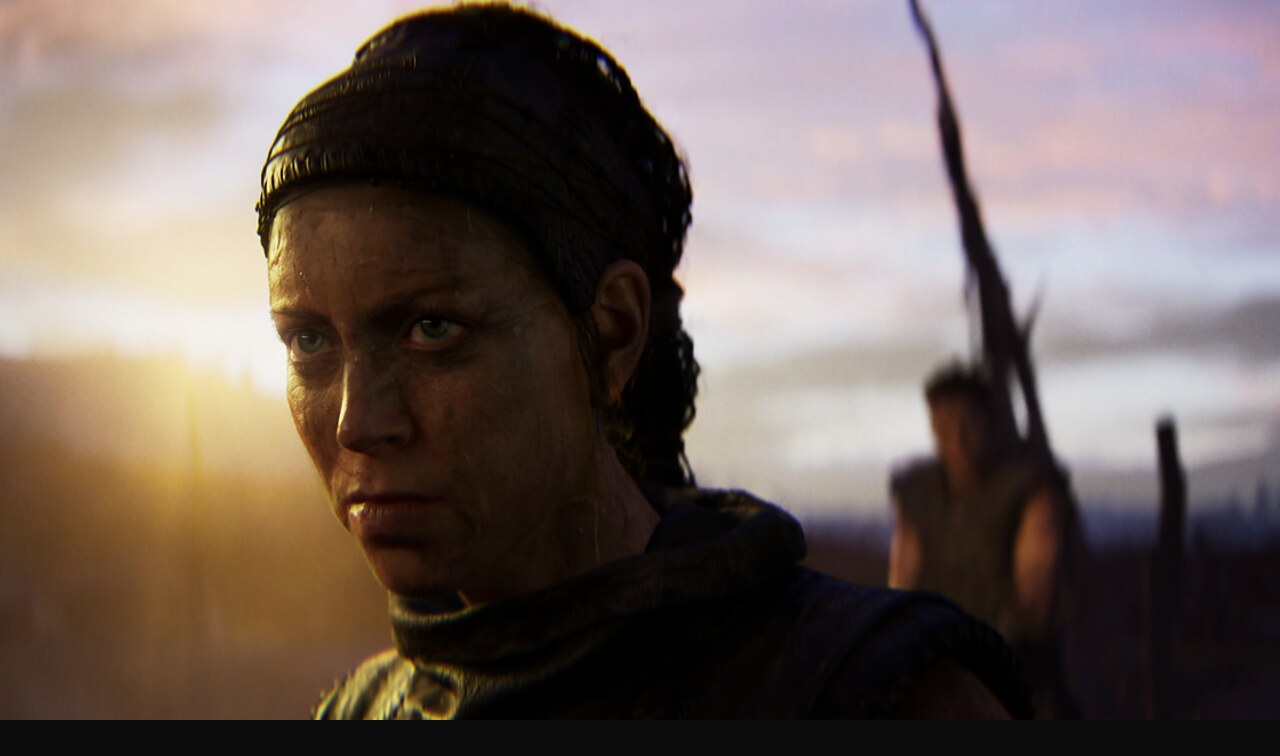
The most pressing creative question is what becomes of Hellblade and its protagonist Senua. The franchise’s second game launched to critical acclaim, and a third instalment was reportedly in development for a 2027 release. With Ninja Theory facing closure, the future of one of gaming’s most distinctive psychological horror series hangs in the balance.
Microsoft has not commented on the status of Ninja Theory’s unannounced projects. If the studio closes without a buyer, the intellectual property — including Senua — would presumably revert to Microsoft, though whether the company would continue development internally or shelve the franchise entirely remains unknown. Given that Senua’s Saga: Hellblade 2 was one of Xbox’s most critically praised recent releases, the prospect of the series going dormant feels particularly wasteful.
A Studio’s Legacy
Founded in 2000, Ninja Theory built its reputation on ambitious action titles that blended cinematic storytelling with inventive combat. Heavenly Sword, Enslaved: Odyssey to the West, and the critically acclaimed Hellblade: Senua’s Sacrifice established the Cambridge team as one of Britain’s most creative studios.
The original Hellblade was particularly notable for its independent spirit — developed by a relatively small team with groundbreaking mental health consultation, it proved that AA-sized studios could produce work that resonated far beyond their budget bracket. Its sequel arrived as a Xbox first-party exclusive after Microsoft acquired the studio in 2018, promising the resources to realise ambitions that had previously been constrained by third-party publishing realities.
Now that acquisition looks like it may end not with a sale, but with silence. The consultation process continues. The developers wait. And one of Britain’s most distinctive game studios edges closer to a closure nobody at the studio wanted.