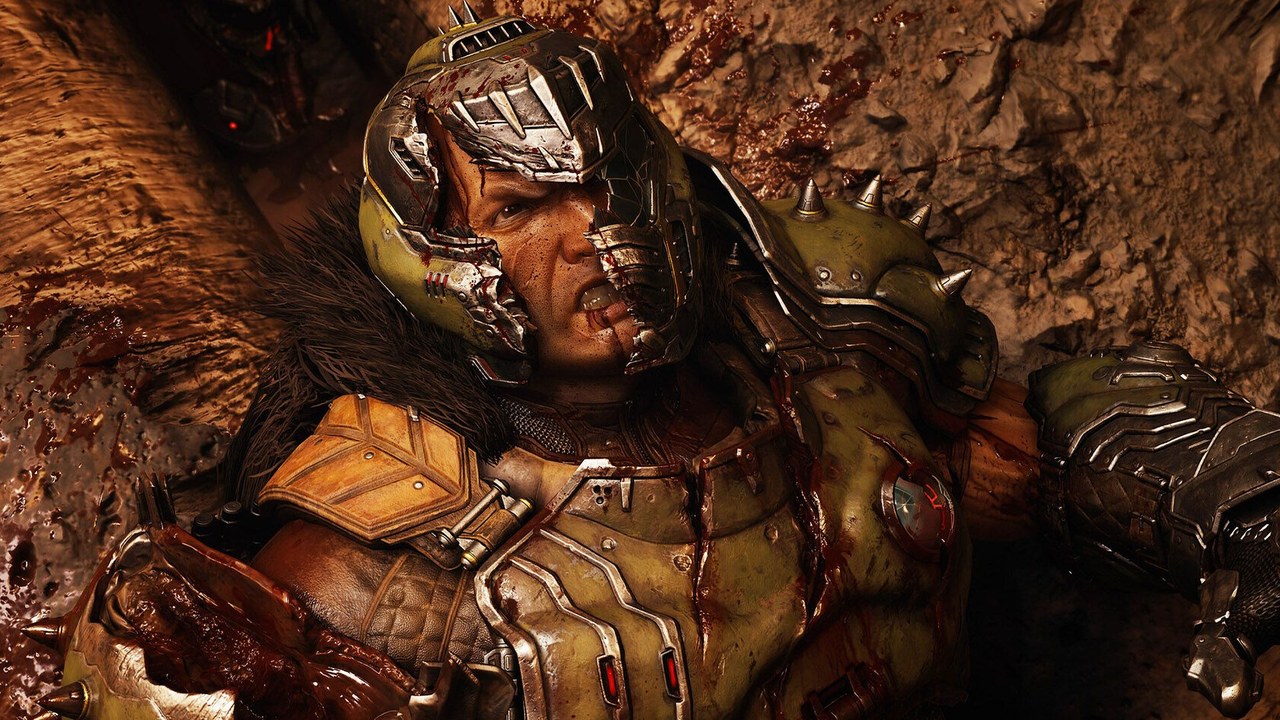
What do twenty laid-off shooter specialists do next? If you’re id Software’s July redundancy list, the answer apparently is: buy yourselves. This week, “approximately 20” former id developers announced Hidden Horses, an employee-owned studio with “over 250 collective years” of game-making experience between its founders — and a first project that could not be more id if it tried.
From Microsoft’s cuts to the workers’ own studio
The backstory is grim and familiar. As part of its July 2026 wave of Xbox job cuts, Microsoft laid off a reported 136 developers from id Software, a name synonymous with shooter design since the days of Doom and Quake. It was the same blood-letting that emptied out teams across Xbox, including the layoffs that pushed State of Decay maker Undead Labs towards independence, and that left veteran developers such as Gears of War: E-Day’s story director searching for what came next.
For the Hidden Horses founders, what came next was each other. “This team has spent years building games together, and we realized that what made that experience special wasn’t just the projects we worked on; it was the people we worked with,” engine programmer and co-founder Dustin Land said in the studio’s announcement.
Danger Pay: Smash TV by way of The Running Man
The first game is Danger Pay, a single-player arena shooter in which players compete in a televised, ultraviolent game show. The influences are proudly ancient: The Running Man — the 1987 Arnold Schwarzenegger film, not the 2025 remake — and Smash TV, the 1990 arcade classic in which Eugene Jarvis and Mark Turmell turned dystopian game-show satire into twin-stick carnage.
“Hidden Horses is an opportunity to keep that team together, build something of our own, and create the kind of old school shooters that we think people want more of.” — Dustin Land, co-founder
Proper screens, footage and release details are still to come. What is confirmed: a Kickstarter campaign will help fund development, with tools programmer and co-founder Johnmichael Quinlin promising to “invite those players along for the journey from the very beginning”.
Key point: Every member of Hidden Horses owns a share of the company, and leaders are elected rather than appointed — the studio says it prioritises “long-term health over short-term growth, longevity over quarterly returns, and innovative gameplay over shady monetization”.
Who’s actually behind the name?
The roster reads like an id credits roll. Alongside Land, the founders include former lead VFX artist Todd Boyce, senior AI and gameplay engineer Daniel Young, executive producer Andrew Willis, senior technical designer Jordan Turner, principal technical designer Tim Locke and senior skybox artist Allison Dombek — yes, a specialist in skies. When your old job was making Doom look like Doom, the specialisms get specific.
Can worker ownership survive the games industry?
The structure is the story as much as the shooter. Willis told Vertical Slice the studio is deliberately flat: “Our structure is quite flat, and we elect leaders when needed. Financially, this means we are not subject to investor demands and the preservation of the company and the jobs it sustains is paramount over needless growth.”
There are no plans to expand dramatically, which is either refreshing or terrifying depending on how many live-service roadmaps you’ve watched collapse. Worker ownership is rare in an industry built on hit-driven economics, and a Kickstarter-funded first game leaves little room for error. But it also removes the scenario that created Hidden Horses in the first place: a spreadsheet decision in Redmond ending twenty careers in one afternoon.
The next few months decide everything
Danger Pay’s Kickstarter will be the first real test — both of appetite for old-school arena shooters and of whether an owned-by-nobody-but-themselves studio can convert industry sympathy into pledges. Retro-adjacent shooters have had a renaissance lately, and a team that literally built the genre’s modern toolkit deserves the benefit of the doubt.
Watch the studio’s Bluesky for news. If Hidden Horses works, it becomes a template other laid-off teams can copy — and in 2026’s games industry, there is no shortage of teams looking for one.