
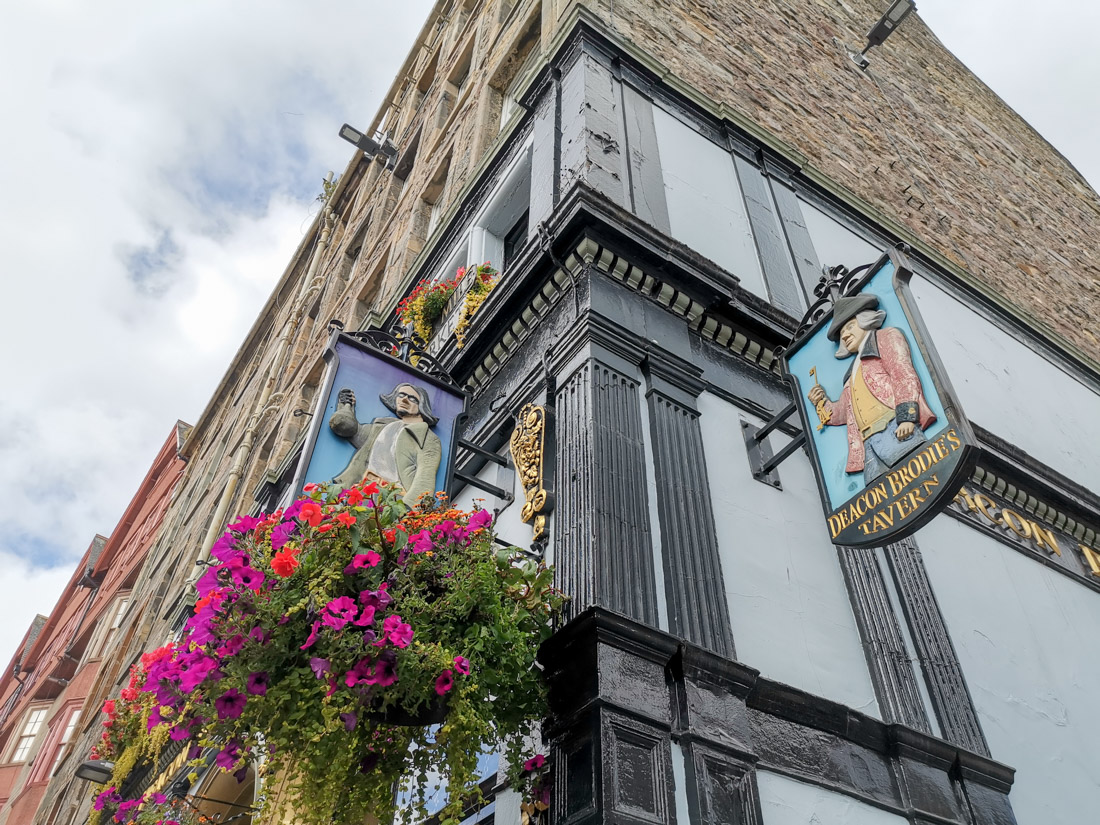
William Brodie was the model of Edinburgh respectability: a skilled cabinetmaker, a deacon of the Incorporation of Wrights and a member of the town council. By day he moved among the city’s great and good.
Want to explore more? Book the ghost and vaults tour through GetYourGuide — free cancellation on most options.
By night he was something else entirely – a gambler, a keeper of two mistresses and, most famously, a burglar who robbed the very homes and businesses that trusted him.
The Respectable Deacon
Brodie’s trade gave him the perfect cover. As a cabinetmaker and locksmith he was welcomed into wealthy households to fit and repair their doors and cabinets, and while he worked he quietly copied their keys in wax.
The Secret Burglar
Using his copied keys, Brodie and a small gang let themselves into shops and homes across the city, funding his gambling debts and double life. For years the burglaries baffled Edinburgh precisely because nothing was ever forced.
His downfall came with an ambitious raid on the Excise Office in Chessels Court, which went wrong and set the authorities on his trail.
Caught and Hanged
Brodie fled to the Netherlands but was tracked down, brought back and tried. He was hanged on 1 October 1788 – by some accounts on a gallows he had himself helped to design and improve, a detail too neat for even fiction to resist.
The Jekyll and Hyde Link
Robert Louis Stevenson, who grew up in Edinburgh, knew Brodie’s story well – his family reputedly owned furniture built by the man himself. The idea of one person leading two utterly separate lives fed directly into “The Strange Case of Dr Jekyll and Mr Hyde”. Today Deacon Brodie’s Tavern on the Royal Mile keeps his name alive.
Frequently Asked Questions
Was Deacon Brodie a real person?
Yes. William Brodie was a genuine Edinburgh cabinetmaker, deacon and town councillor, hanged in 1788 for a career of secret burglaries.
How did Deacon Brodie inspire Jekyll and Hyde?
His double life – respectable by day, criminal by night – is widely seen as an inspiration for Robert Louis Stevenson’s Dr Jekyll and Mr Hyde.
How was Deacon Brodie caught?
A botched raid on the Excise Office exposed the gang; Brodie fled abroad but was tracked down, returned to Edinburgh and tried.
Where is Deacon Brodie’s Tavern?
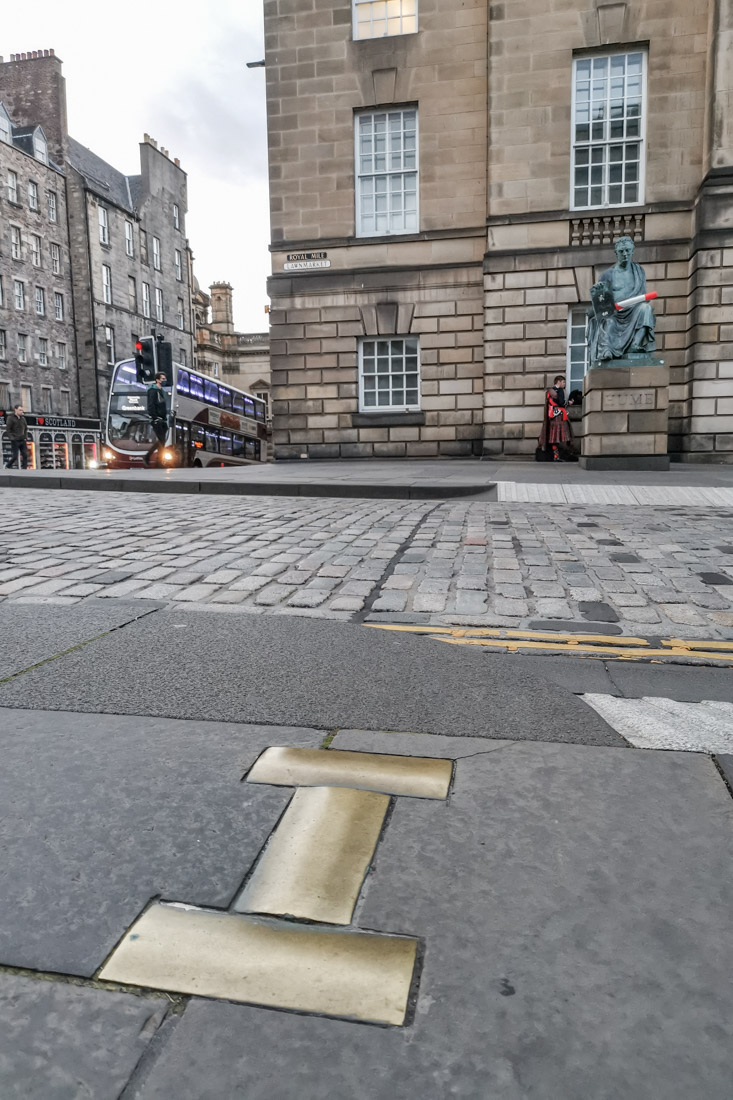
On the Royal Mile at the Lawnmarket, named after the man and decorated with his story.

← Back to all Edinburgh legends & spooky locations