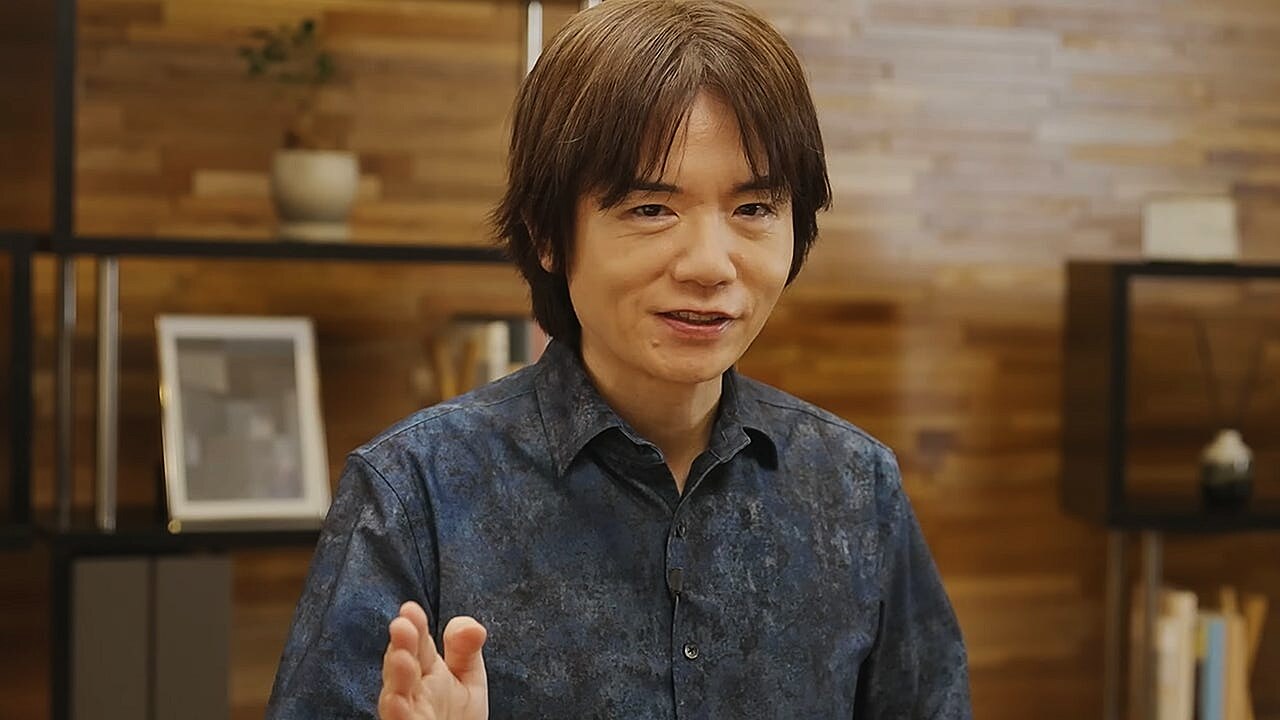
“This is the last year that we’re doing it, and the reason is because there’s nobody who’s going to replace me.”
Those were the words of Masahiro Sakurai on stage at the Japan Game Awards 2026, as he announced the end of one of the most distinctive categories in Japanese games recognition. The Game Designers Award — a peer-judged accolade celebrating originality above all else — has quietly closed its doors after 16 years, with no successor in sight.

What Was the Game Designers Award?
Sakurai founded the Game Designers Award in 2010 as part of the Japan Game Awards, run annually by the Computer Entertainment Supplier’s Association (CESA). Unlike the ceremony’s Grand Prize, which measures popularity and critical acclaim, the Designers Award judged games on a different standard entirely: creativity and originality.
Award criteria: Eligible titles had to incorporate “new ideas that are a clear departure from existing works” and expand what games can be — reaching players who don’t normally engage with games at all.
Sakurai chaired the judging panel himself, assembling a roster of respected game creators rather than critics or journalists. The 2026 panel included eleven judges: alongside Sakurai sat Shinji Mikami, Fumito Ueda, Hideki Kamiya, Goichi Suda, Toby Fox, Keiichiro Toyama, and Taro Yokoo — a who’s-who of Japanese and independent game design.
Word Game Takes the Final Honour
The last title to receive the Game Designers Award at the Japan Game Awards 2026 was Word Game (文字遊戲), a puzzle title from Taiwanese studio Team9. The game builds its characters, scenes, and objects entirely from Chinese characters — a concept that judges praised for reaching “an overwhelming majority of votes even in an award where originality is the top priority.”
Team9 said it was “incredibly rewarding” to be selected as the final recipient, noting that the award’s emphasis on originality matched the team’s own aspirations in designing the game. The studio also earned praise for adapting Word Game from traditional Chinese into a Japanese version — no small feat, judges noted, given the cultural and linguistic complexity involved.
“It won by an overwhelming majority of votes even in the Game Designers Award, where the originality is the top priority.” — Japan Game Awards judges
The broader Japan Game Awards 2026 Grand Prize went to Pokémon Pokopia, with judges praising its “carefree, slow-life experience” and the overwhelming support it received across age groups — gamers and non-gamers alike called it soothing and addictive.
Why Sakurai Is Walking Away
Sakurai has been clear that this isn’t a decision made lightly. He spent roughly two years searching for someone willing and able to take on the role of head judge — organising the panel, reviewing submissions, and championing the award’s values of originality and creative risk.
Nobody stepped up. As Sakurai explained at the ceremony: “I searched for a couple years, but nobody stepped up to replace me. That is the only reason.”
He has also indicated a desire to refocus his energy on game development rather than administrative duties. Sakurai is best known as the creator of Kirby and the architect of the Super Smash Bros. series — and after years of balancing award commitments with active development work, the decision to step back appears to be as much about protecting his creative output as anything else.
Why This Matters for Game Development
The Game Designers Award was unusual in one important respect: it was judged by working game developers, not by the press or public votes. That peer-driven structure gave it authority that few industry awards can claim. When Fumito Ueda, the creator of Shadow of the Colossus, or Toby Fox, who made Undertale, votes for a title as genuinely original — that means something different from a fan poll or a review aggregate score.
Sakurai has previously warned that an industry which stops rewarding originality risks losing the very thing that makes games distinctive as an art form. With the award now gone, one of the few formal mechanisms for championing that ethos has disappeared with it.
Whether another organisation — or another developer willing to take on the commitment — steps into the gap remains to be seen. For now, the Japan Game Awards continues without the category that Sakurai spent 16 years building from scratch.