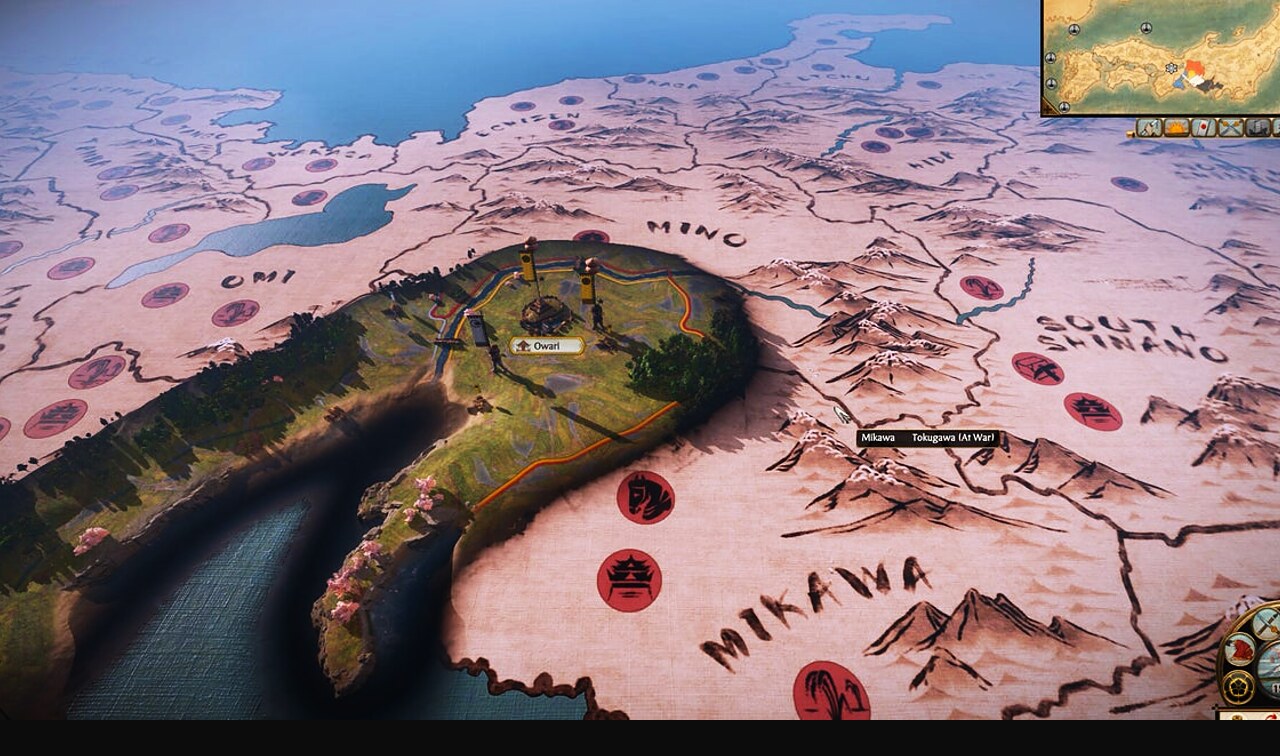
Sega and Creative Assembly have pulled Total War: Shogun 2, Complete Edition from sale across all storefronts, just days after its release. The decision follows a wave of overwhelmingly negative reviews, with players pointing to bugs, performance problems, and what many believe to be undisclosed use of AI-generated artwork.
The Complete Edition, a remaster of the beloved 2011 strategy game, launched on 13 October. Within 48 hours, its Steam rating had plummeted to “overwhelmingly negative”, with only 15 percent of more than 4,000 reviews leaving anything positive. The game’s Steam page now displays a warning that it is no longer available for purchase.
What Went Wrong
In a joint statement shared on social media, Sega and Creative Assembly admitted that the game “has fallen short of both your expectations and our own standards”. The companies said they had seen player feedback, comments, and reviews, and agreed that “the current experience is not where it needs to be”.
The statement confirmed that the two companies are working with platform holders to remove the Complete Edition from sale and reinstate the original 2011 game while they investigate the issues. Existing owners will still be able to access and play the remaster.
AI accusations: While the official statement does not mention AI at all, fans have pointed to what they describe as telltale signs of AI upscaling in the remastered unit artwork. Examples include samurai faces merging with helmets, hands with extra fingers, and archers that appear to have been transformed into something unrecognisable.
The artwork issues are particularly damaging because the original Shogun 2’s unit cards were hand-drawn in a distinctive Japanese style, with a deliberately aged, distressed look. Players had hoped the Complete Edition would preserve that aesthetic while improving resolution and clarity. Instead, many believe a development partner ran the artwork through an AI upscaler, producing the kind of artefacts that have become all too familiar in the ongoing debate about generative AI in game development.
The Development Partner Question
Steam lists a studio called Mataboo as a co-developer on the Complete Edition, working alongside Creative Assembly. Mataboo highlights its work on the game on its website. The extent of Mataboo’s involvement, and whether it was responsible for the artwork upscaling, remains unclear. Sega’s statement refers only to working with “our development partner” to identify the causes of the problems.
Compounding the backlash was Sega’s decision to pull the original Shogun 2 from sale before the Complete Edition launched. Players who wanted to buy the game were forced to purchase the $40 remaster, or pay $10 to upgrade from the classic version if they already owned it. With the remaster now removed, Sega says the original will be reinstated, though it has not clarified how existing Complete Edition owners can revert to the original.
Beyond the Artwork
The AI upscaling accusations are only part of the problem. Players have also reported that bugs from the original 2011 game remain unaddressed in the Complete Edition, alongside new bugs introduced by the remaster. Performance has been described as poor compared to recent Total War titles, and the redesigned user interface has drawn criticism for being clunky and poorly thought out.
The promised improvements, including 1440p and 4K UI scaling and modernised controls, appear to have been undermined by execution that falls well short of what players expected from a franchise with Total War’s pedigree.
A Wider Pattern
The Shogun 2 controversy arrives at a time of heightened sensitivity about AI use in game development. Last month, the CEO of Professor Layton developer Level-5 apologised after confirming that generative AI had been used in the studio’s recent showcase. Other major publishers, including Krafton, Square Enix, and EA, have all invested heavily in AI technology, with some openly embracing it as a core part of their business strategy.
Sega itself is not untouched by the trend. The upcoming Crazy Taxi: World Tour has already been confirmed to use generative AI for background assets. What distinguishes the Shogun 2 situation is the apparent failure to disclose AI involvement, combined with visible quality problems that players could see for themselves.
Steam has an AI disclosure policy requiring developers to declare when generative AI has been used in their games. Whether Sega, Creative Assembly, and Mataboo violated that policy is a question that Valve, the platform operator, may need to address.
What Happens Next
Sega has not specified when, or if, the Complete Edition will return to sale. The statement promises improvements to bring the game in line with player expectations, but no timeline has been given. For a game that launched to such a hostile reception, rebuilding trust will require more than vague promises.
The original Shogun 2 is widely regarded as one of the finest entries in the Total War series, a game that defined the franchise’s identity with its focus on feudal Japan and meticulous attention to historical detail. Whether the Complete Edition can ever recapture that reputation, or whether it will remain a cautionary tale about the risks of cutting corners in remastering, remains to be seen.
For now, players who want to experience Shogun 2 will need to return to the 2011 original, which Sega is reinstating while the investigation continues.