

Orkney is a group of about 70 islands off the north coast of Caithness, and its main island, simply called the Mainland, holds most of the famous sights within an hour’s drive of each other. This guide sorts the best things to do in Orkney into six areas: the Stone Age monuments around the lochs of Stenness and Harray, the west coast, Kirkwall and the east, the road south over the barriers, Hoy, and the smaller northern islands. Most visitors arrive by boat from mainland Scotland and base themselves in Kirkwall or Stromness.
Each entry gives the latest price, season or access rule we could confirm, and 14 of them link to our longer guides. If you are travelling from Edinburgh, see how Orkney fits a longer route around Scotland in our 10-day Scotland plan.
Updated 11 November 2026. Prices, opening dates and crossing times were checked on official websites (Historic Environment Scotland, Orkney Museums, the attractions and the operators). Where a figure is not published, confirm it when booking or visiting.
Jump to: At a glance · Stone Age sites · West coast · Kirkwall & east · Barriers & south · Hoy · North isles · Getting there · Plan your days · FAQ
Orkney Sights at a Glance
| Sight | Area | Type | Time needed | Cost (2026) |
|---|---|---|---|---|
| Skara Brae | Bay of Skaill | Stone Age village | 1.5–2 hrs | Adult £14 online |
| Ring of Brodgar | Stenness | Stone ring | 45 mins | No charge |
| Stones of Stenness & Barnhouse | Stenness | Henge, village | 30 mins | No charge |
| Maeshowe | Stenness | Tomb (guided) | 1 hr | Adult £10 online |
| Unstan & Cuween Hill | Stenness, Finstown | Tombs | 30 mins each | No charge |
| Yesnaby | West coast | Clifftop path | 1 hr | No charge |
| Marwick Head | Birsay | Seabird reserve | 1.5 hrs | No charge |
| Brough of Birsay | Birsay | Tidal island | 1.5 hrs | No charge |
| Broch of Gurness | Evie | Iron Age village | 1 hr | Adult £7.50 online |
| Stromness | South-west | Harbour town | Half a day | Museum adult £8 |
| St Magnus Cathedral | Kirkwall | Cathedral | 45 mins | No charge to enter |
| Bishop’s & Earl’s Palaces | Kirkwall | Ruined palaces | 45 mins | Adult £7.50 online |
| Kirkwall & the Orkney Museum | Kirkwall | Town, museum | Half a day | Museum no charge |
| Highland Park, Scapa & Kirkjuvagr | Kirkwall | Single malt, spirits | 1–2 hrs | From £18 |
| Scapa Beach & Royal Oak memorial | Scapa | Sands, memorial | 45 mins | No charge |
| The Gloup & Brough of Deerness | Deerness | Coast path | 2 hrs | No charge |
| Italian Chapel | Lamb Holm | Chapel | 30 mins | £4 (12 and under go in at no cost) |
| Churchill Barriers | South isles | Causeways | 1 hr | No charge |
| Tomb of the Eagles | South Ronaldsay | Tomb, visitor centre | 2 hrs | Reopens Easter 2027 |
| Scapa Flow Museum | Lyness, Hoy | Naval museum | 1.5 hrs | Donation (£5 suggested) |
| Old Man of Hoy & Rackwick | Hoy | Sea stack hike | 3 hrs | No charge |
| Dwarfie Stane | Hoy | Rock-cut tomb | 45 mins | No charge |
| Wreck dives in Scapa Flow | Scapa Flow | Diving | 1 day+ | Confirm when booking |
| Rousay: Midhowe | Rousay | Broch, cairn | Half a day | No charge |
| Westray & Papa Westray | North isles | Seabirds, castle, houses | 1–2 days | No charge to the sites |
Adult prices as published on 11 November 2026; booking online is cheaper at Historic Environment Scotland (HES) sites. Several attractions in Orkney shut or shorten their hours from October to March, so check dates before you visit.
The Stone Age Heart of the Mainland
The four best-known monuments, inscribed as the Heart of Neolithic Orkney in 1999, stand within a few miles of each other between Stromness and the Bay of Skaill, so you can visit all four in a day. An HES Explorer Pass covers the ticketed ones; see our guide to heritage passes in Scotland.
1. Skara Brae
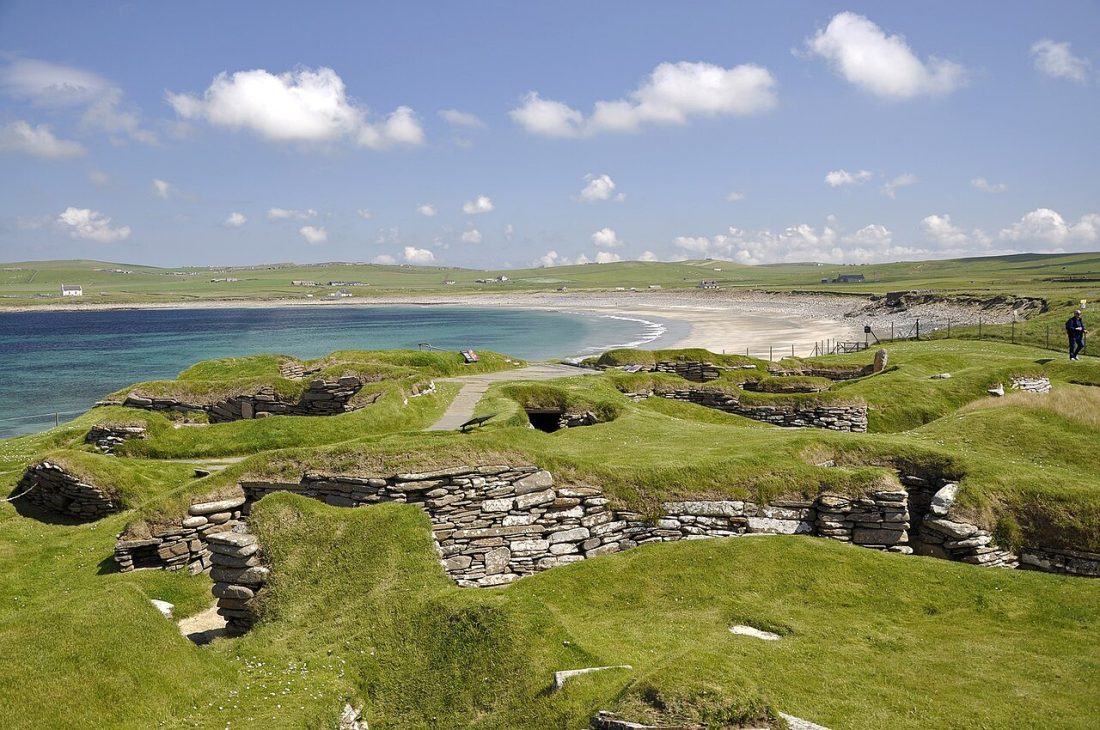
Long before Stonehenge or the pyramids, farmers and fishers lived in this cluster of stone houses on the Bay of Skaill, on Orkney’s west coast. A storm in 1850 stripped away the dunes, and today you can see nine surviving dwellings, all but one from the path, with stone dressers and box beds still in place. Allow time for the replica house, which shows how the interior may have looked, and the visitor centre displays tools, dice and jewellery found here. Read our Skara Brae guide.
Good to know: adult £14 online or £16 at the door (2026). From 1 April to 31 October the ticket includes Skaill House, the 17th-century mansion next door; from November to March it covers Skara Brae alone at a lower price. Daily 9.30am–5.30pm April to September, 10am–4pm October to March, last entry an hour before closing.
2. Ring of Brodgar
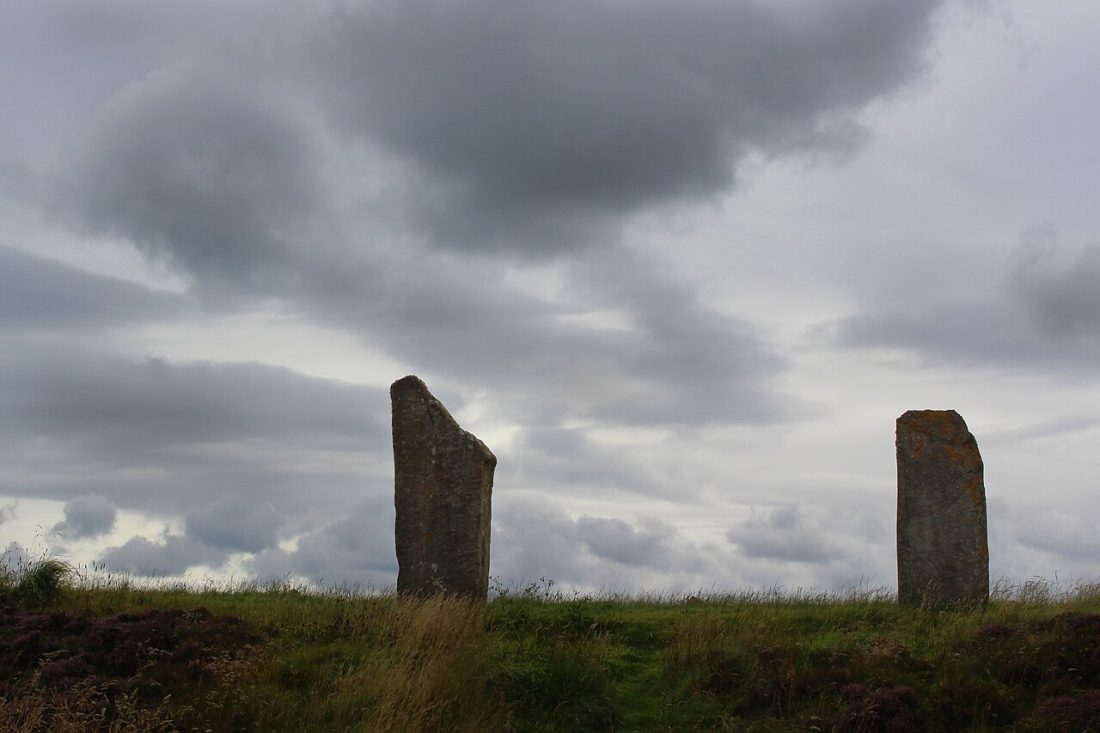
This enormous ring, the best-known stone circle in Orkney, sits on a narrow strip of land between the lochs of Harray and Stenness. It once had 60 stones; 36 survive, the tallest about 4.7m, inside a deep rock-cut ditch. HES rangers lead guided strolls here, covering archaeology, birdlife and folklore. Come early or late for low light and fewer coaches. More on the Ring of Brodgar.
Good to know: no charge to visit and accessible all year, about five miles north-east of Stromness on the B9055. Follow the one-way path; sections of the inner grass path are rested from time to time.
3. Stones of Stenness and the Barnhouse Settlement
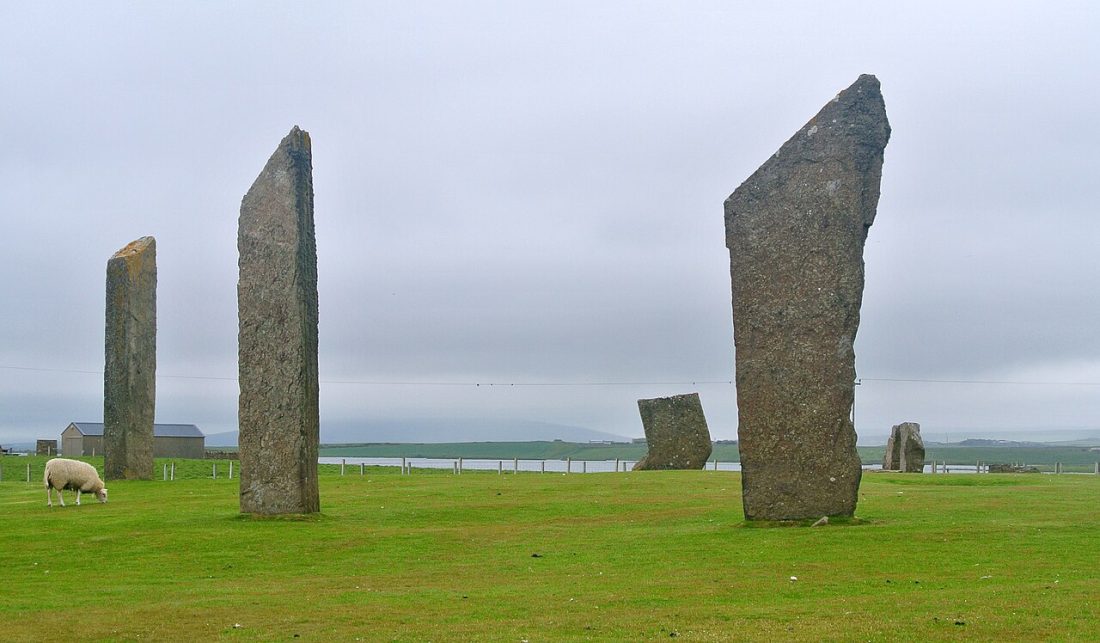
Four thin slabs up to 6m tall are all that remain of a ring of 12, set around a large central hearth. HES describes the site as possibly the earliest henge monument in the British Isles. A short stroll away, the low walls of the Barnhouse Settlement show where people lived while the stones went up. Our Stenness guide.
Good to know: no charge to visit, accessible all year. The ground can be soft after rain, so wear boots.
4. Maeshowe
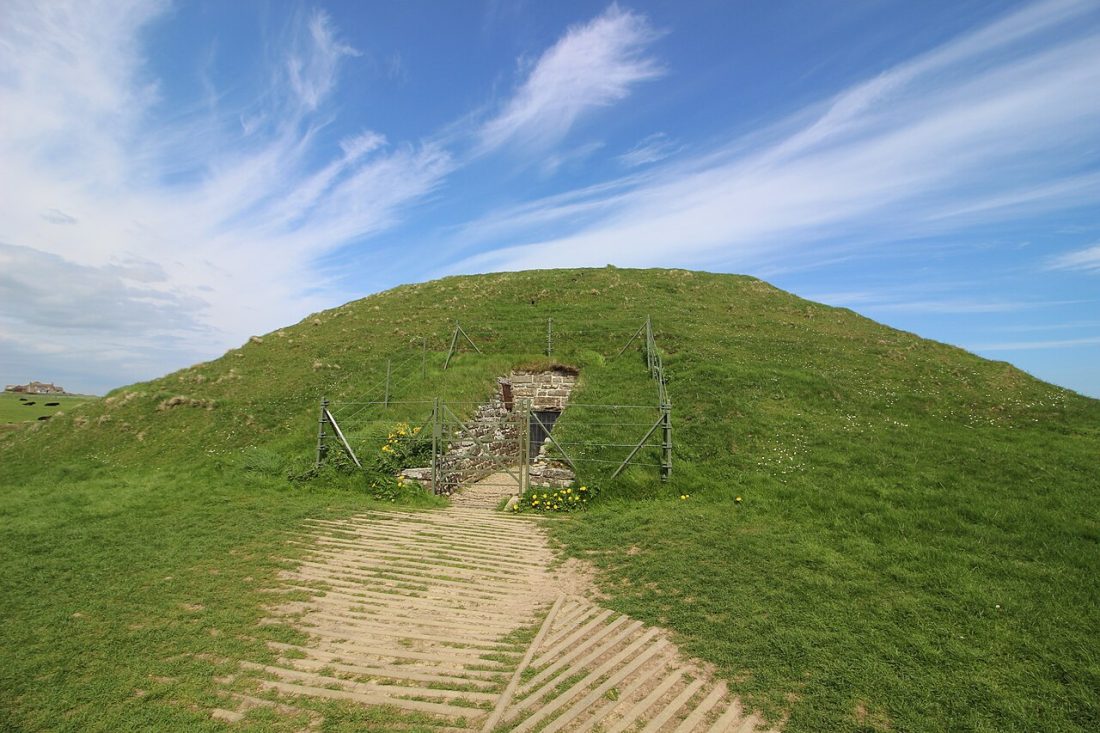
HES calls this grass-covered mound the finest Neolithic building to survive in north-west Europe. A low passage 10m long leads into a corbelled chamber built about 5,000 years ago, broken into by Norsemen some 3,000 years later; their runic graffiti is the largest surviving collection outside Scandinavia, according to HES. For roughly three weeks either side of the winter solstice, the setting sun shines down the passage onto the back wall.
Good to know: entry is by guided tour only, starting at the visitor centre in Stenness, with a shuttle bus and a 400m path to the mound. Adult £10 online or £11 in person. From October to March there are tours at 10am, 12 noon and 2pm; book the 2pm slot from late November to mid-January for the sunset. No photography inside, and the passage is just 119cm high.
5. Unstan and Cuween Hill Cairns
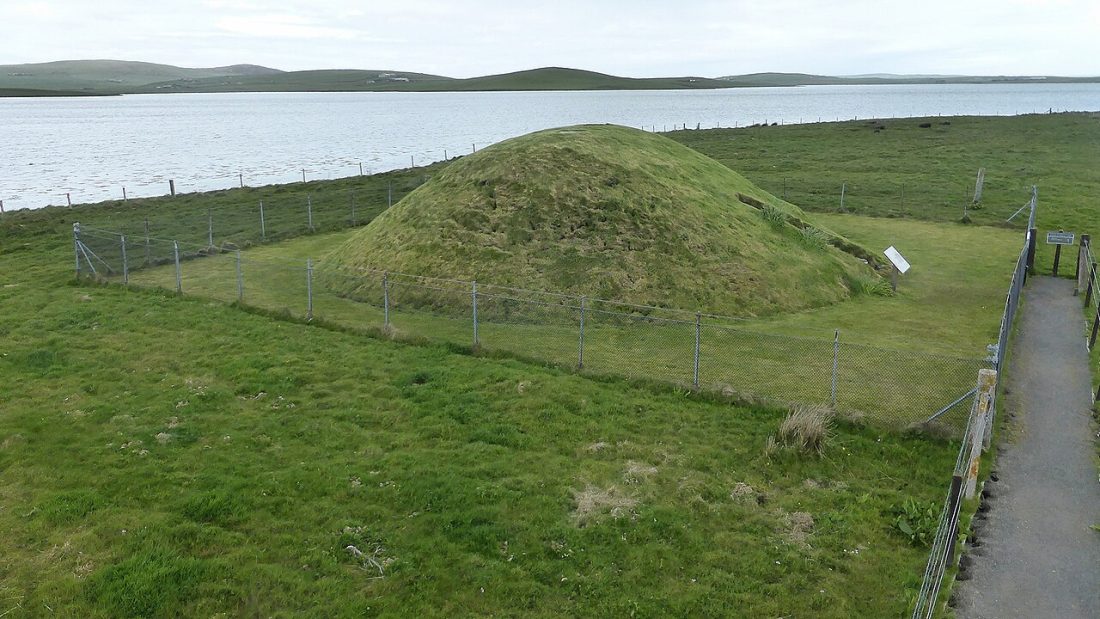
If Maeshowe is booked out, two smaller tombs give you the crawl-inside experience for no charge. Unstan, on the shore of the Loch of Stenness, gave its name to Unstan Ware, a style of decorated bowl later found in other Orkney tombs. At Cuween Hill above Finstown, excavators found the bones of people, dogs and oxen; HES leaves a torch at the entrance for visitors.
Good to know: both are run by HES and free to visit all year. Expect a low, tight entrance passage and a muddy approach after rain.
The West Coast: Cliffs, Brochs and Birsay
North and west of the lochs, the Orkney Mainland ends in high sandstone cliffs, sandy bays and a tidal island. These stops pair well with a morning at Skara Brae, and you can visit most of them in a day.
6. Yesnaby
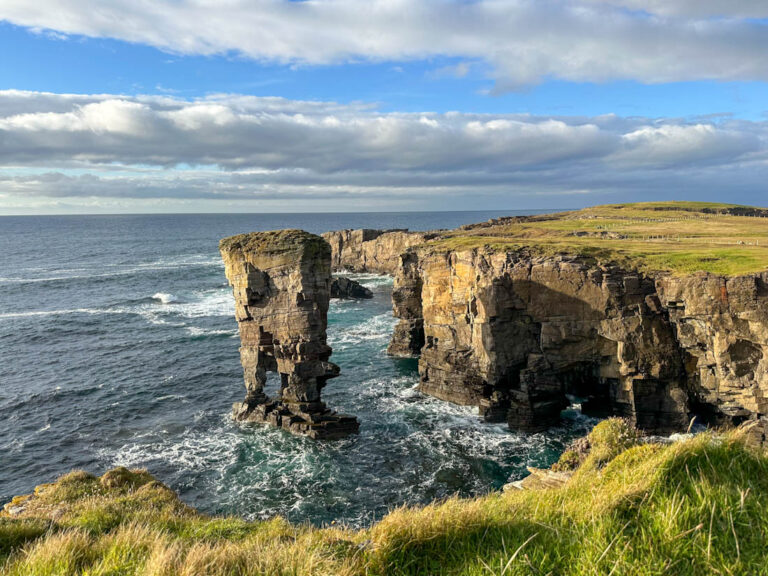
Orkney’s wildest stretch of coast is a few minutes’ drive from Skara Brae. From the parking area by an old wartime building, a clifftop path heads south for about 15 minutes to Yesnaby Castle, a slender sea stack with a natural arch, past geos and blowholes. In May and June look for the tiny purple Scottish primrose. See our Yesnaby guide.
Good to know: no charge to visit and no toilets. The edges are unfenced and crumbly, so keep well back, especially in strong gusts.
7. Marwick Head and the Kitchener Memorial
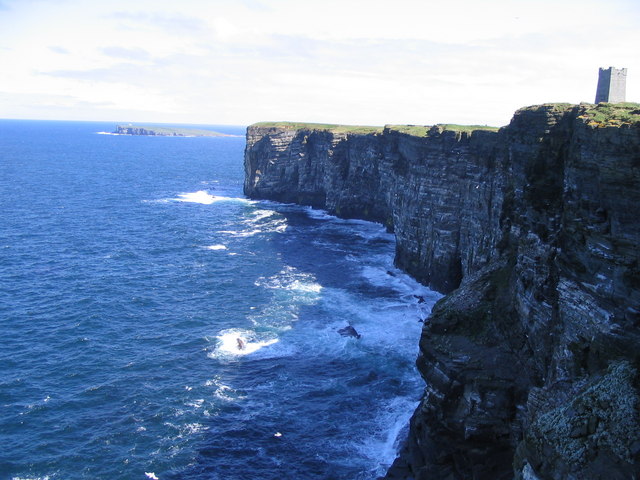
A path climbs from Marwick Bay up grassy slopes to the Kitchener Memorial, built in 1926 to remember Lord Kitchener and the crew of HMS Hampshire, sunk off Orkney in June 1916. From the viewpoint you look straight into a seabird colony on the RSPB reserve, with skuas and gulls patrolling overhead. It is also home to the rare great yellow bumblebee.
Good to know: free to visit. Parking at Marwick Bay; the grassy path has steep parts and can be slippery when wet.
8. Brough of Birsay and the Earl’s Palace
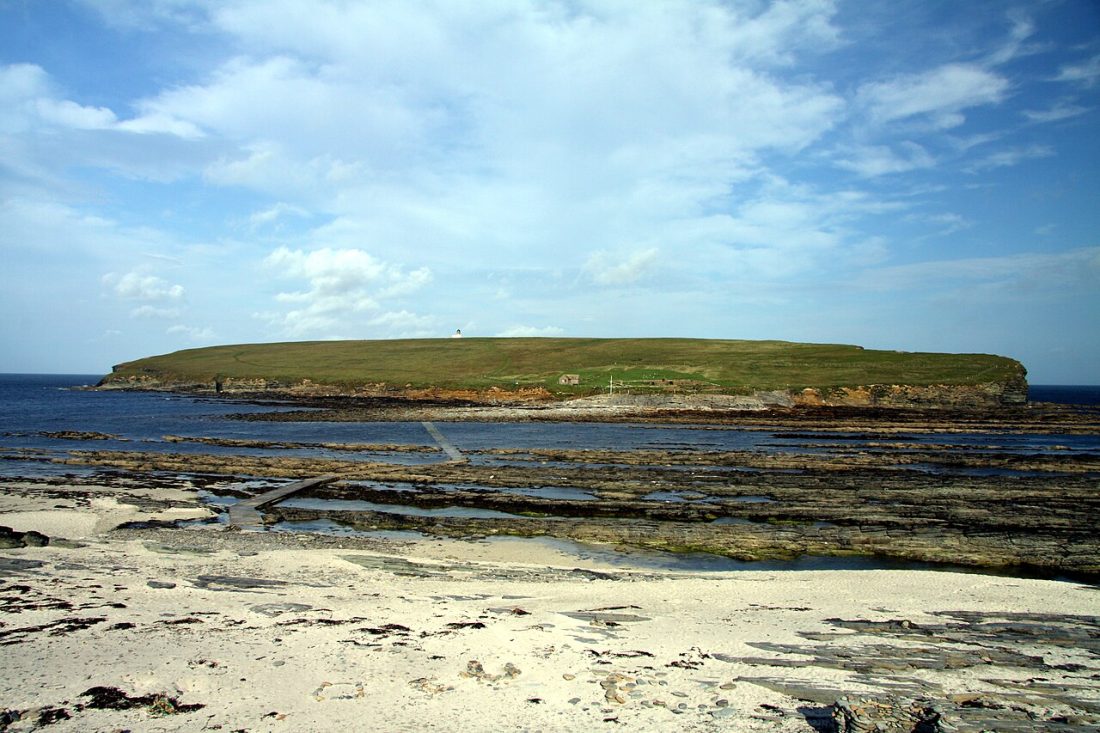
At low tide, a causeway leads across to this small tidal island at the north-west tip of the Mainland. On it are the remains of a Pictish settlement, a Norse village of the 9th to 11th centuries and the 12th-century church of St Peter. Back in the village of Birsay, the shell of the Earl’s Palace was built between 1569 and 1574 for Robert Stewart, Earl of Orkney.
Good to know: no charge to visit either. You can only cross for a few hours around low tide, so check tide times (Met Office, or call Skara Brae on 01856 841 815) and watch the time while you are over there.
9. Broch of Gurness
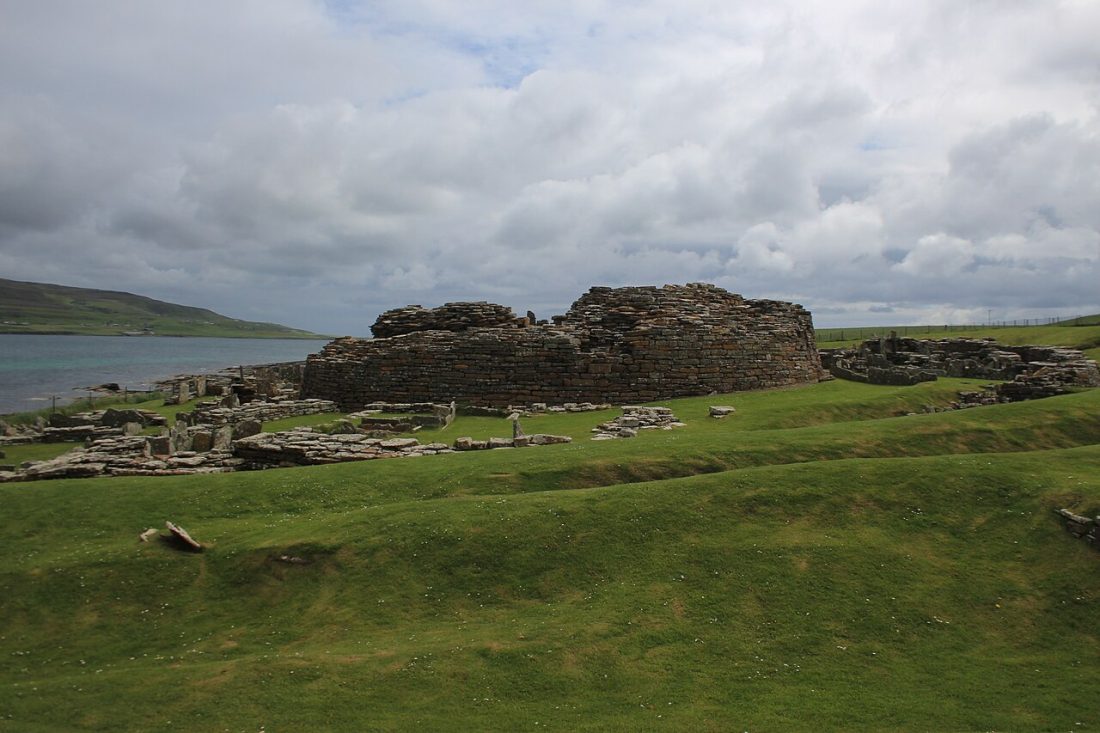
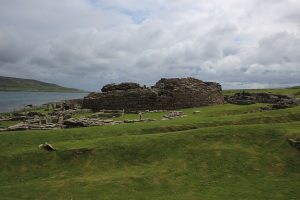
Iron Age people built a round stone tower here between 500 and 200 BC, then packed the space around it with houses, hearths and yards inside deep ditches. HES calls it Scotland’s best-preserved broch village, and it looks across Eynhallow Sound to Rousay. The last burial on the site was a Viking woman in the 9th century; finds are shown in the small visitor centre. Our Gurness guide.
Good to know: daily 10am–4.30pm from 1 April to 30 September and shut from October to March. Adult £7.50 online or £8.50 on site.
10. Stromness
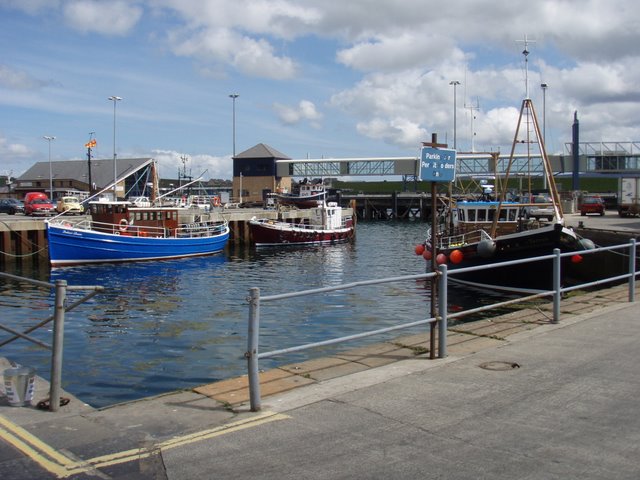
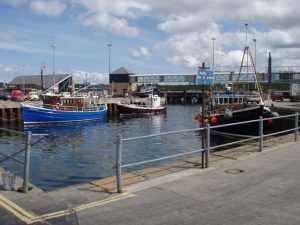
Orkney’s second town is a single winding street of flagstones and stone houses, with lanes running down to private piers. The Pier Arts Centre on the waterfront shows a fine collection of modern British art, and Stromness Museum covers natural history, Hudson’s Bay Company men, whaling and the German fleet. The NorthLink boat from Scrabster docks here, which makes it a handy base for the west of Orkney. Read more about Stromness.
Good to know: the Pier Arts Centre is open Tuesday to Saturday, 10.30am–5pm, all year with no admission charge. Stromness Museum costs £8 for adults (under-16s go in at no cost); from autumn it runs Wednesday to Saturday, 11am–3.30pm.
Kirkwall and the East Mainland
Kirkwall is the capital of Orkney and its main shopping town, with its cathedral, two ruined palaces and a museum all within a few minutes of each other. The distilleries and Scapa Bay are on its southern edge, and the cliffs of Deerness are 30 minutes east.
11. St Magnus Cathedral
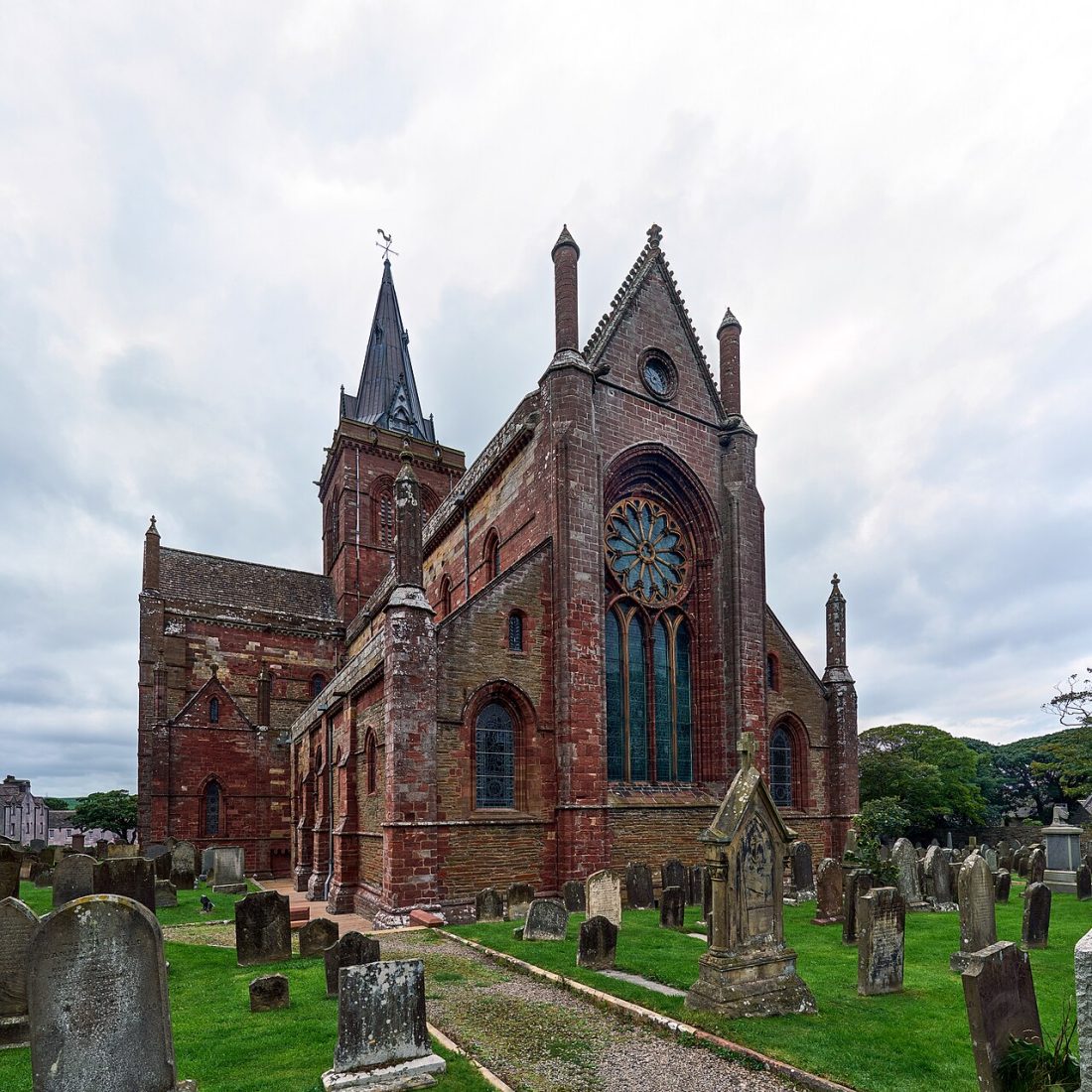
Founded in 1137 by Earl Rognvald in honour of his uncle St Magnus, this red and yellow sandstone church is known as the Light in the North and belongs to the people of Orkney. Inside are carved gravestones, a memorial to the crew of HMS Royal Oak and a monument to the Arctic explorer John Rae. Our St Magnus Cathedral guide.
Good to know: no charge to go in. The Upper Levels visit takes you up narrow stairs to the roof spaces; it costs £15.60 from May 2026 and must be booked in advance (01856 874 894).
12. Bishop’s and Earl’s Palaces
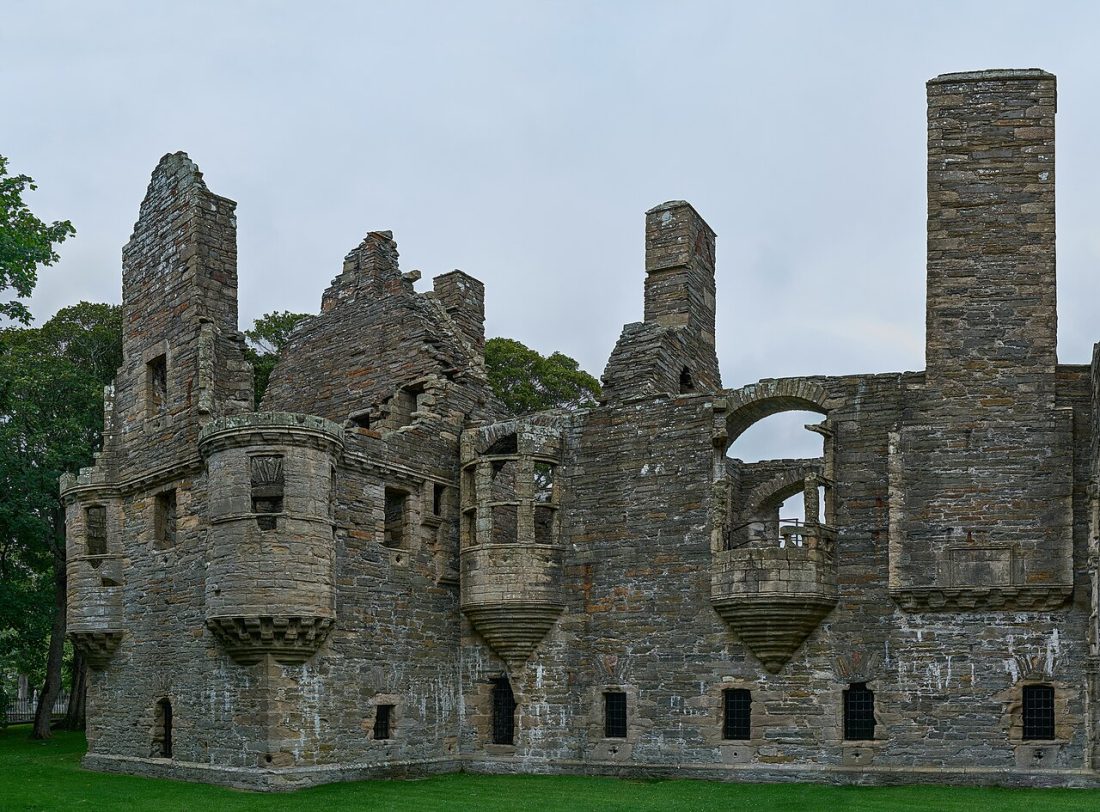
Across the road from the cathedral, the Bishop’s Palace dates from the time when Kirkwall was a Norwegian port and capital of the Northern Isles. The neighbouring Earl’s Palace, built much later, is one of the most accomplished Renaissance buildings in Scotland, now roofless.
Good to know: daily 10am–4.30pm from 1 April to 30 September; shut October to March. Adult £7.50 online or £8.50 on site.
13. Kirkwall and the Orkney Museum
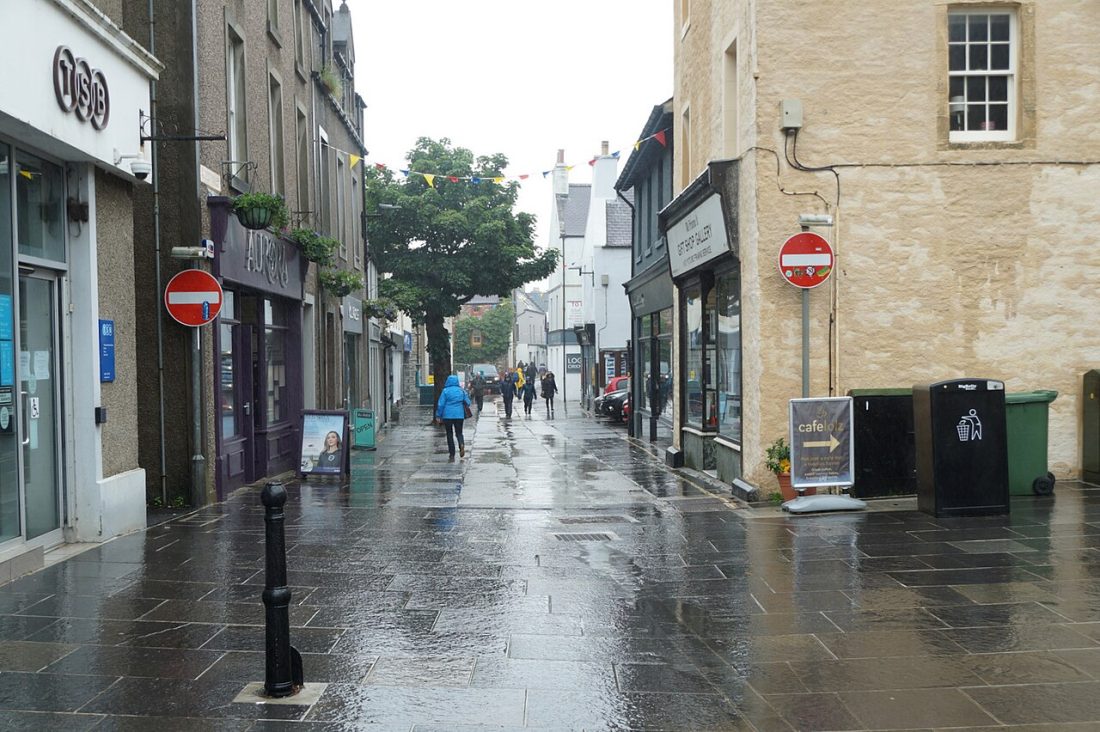
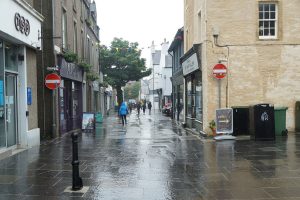
The paved streets around Albert Street and Broad Street are lined with jewellers, knitwear and craft shops selling Orkney-made goods, delis and bakeries. The Orkney Museum, in Tankerness House, a 16th-century merchant’s house on Broad Street, traces island life from the Stone Age to the 20th century. Kirkwall’s Ba’ game, a mass street football match between the Uppies and Doonies, is played on Christmas Day and New Year’s Day. Our Kirkwall guide.
Good to know: the Orkney Museum has no admission charge and opens Monday to Saturday, 10.30am–5pm (lunch break 12.30–1.30pm).
14. Highland Park, Scapa and Orkney Distillery
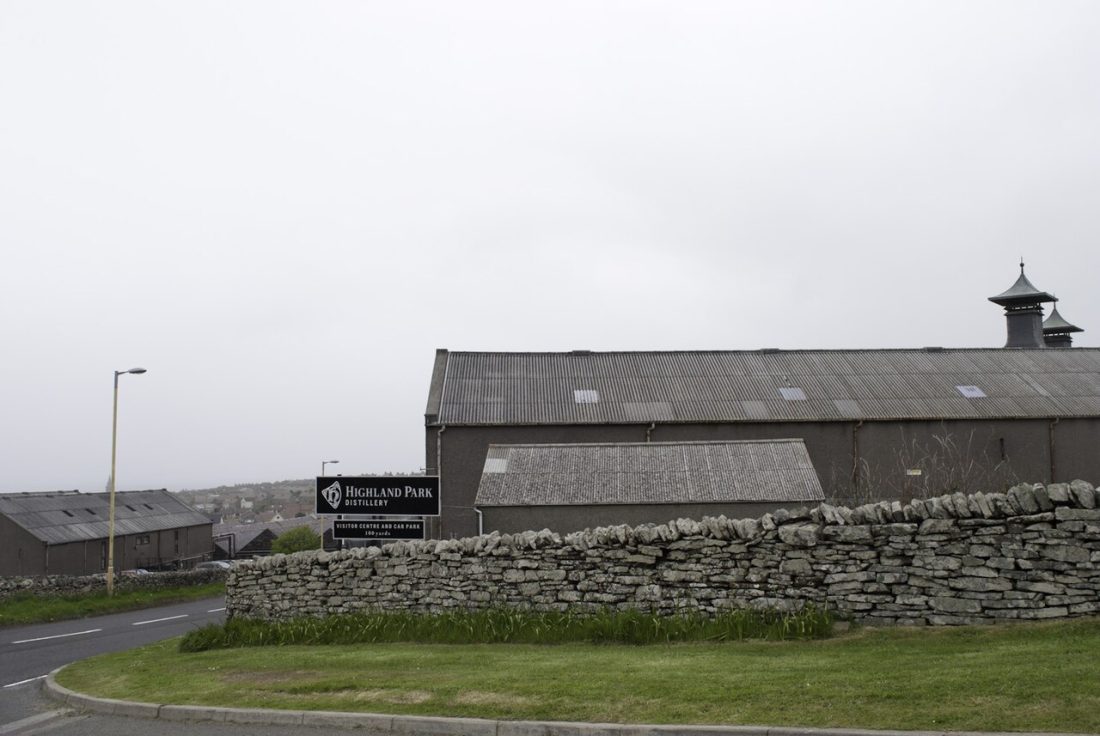
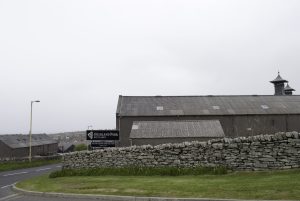
Two single malts are made in Orkney, both on the southern edge of Kirkwall. Highland Park dates from 1798 and smokes its barley with heathery peat from nearby Hobbister Moor; Scapa, founded in 1885, looks out over Scapa Flow. By the harbour, Orkney Distillery makes Kirkjuvagr gin and has a bar and shop. Compare the Orkney distilleries, or browse our distillery trips from Edinburgh.
Good to know: Highland Park experiences start at £18 for 45 minutes and Scapa’s Journey costs £30; book ahead. Orkney Distillery opens daily 10am–6pm from May to September and Wednesday to Sunday in April and October.
15. Scapa Beach and the HMS Royal Oak Memorial
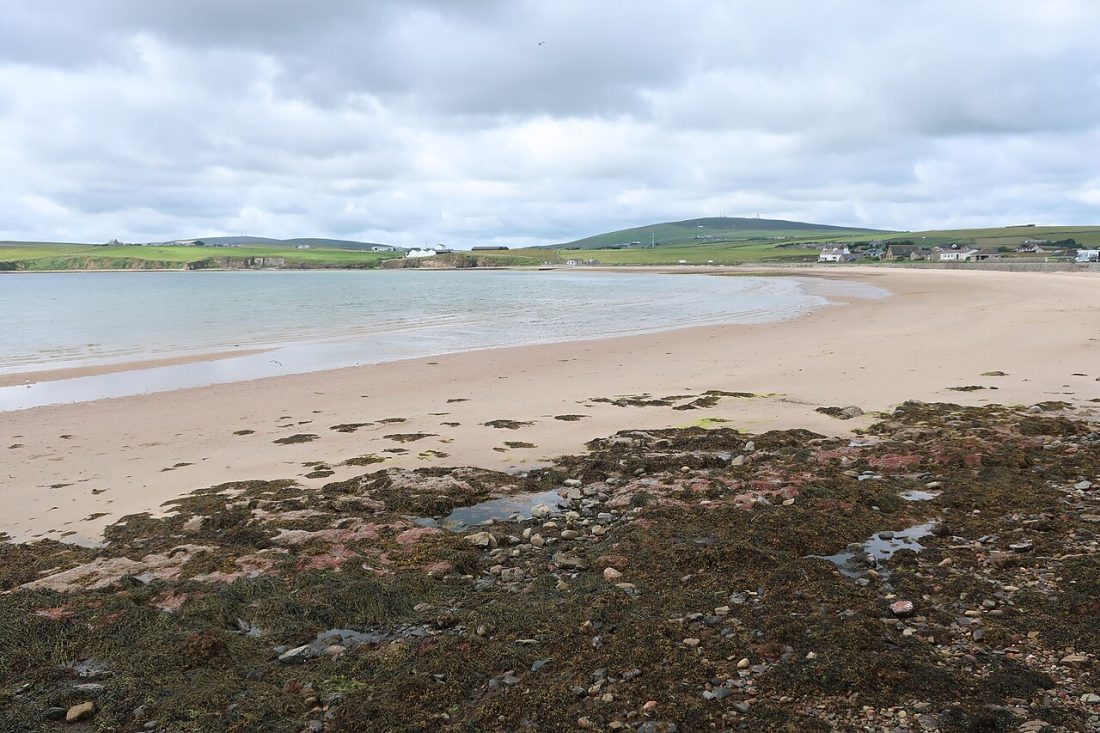
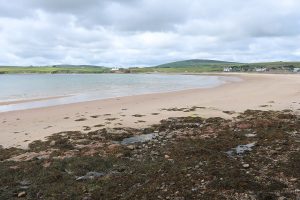
A five-minute drive south of Kirkwall, this sandy bay faces Scapa Flow, Orkney’s great natural harbour. Above it, a memorial garden remembers HMS Royal Oak, torpedoed at anchor by a German U-boat in October 1939; research by Orkney historian Brian Budge and the Royal Navy put the death toll at 835. The wreck is a protected war grave. More on Scapa Flow.
Good to know: no charge to visit; parking and toilets by the sands.
16. The Gloup and the Brough of Deerness
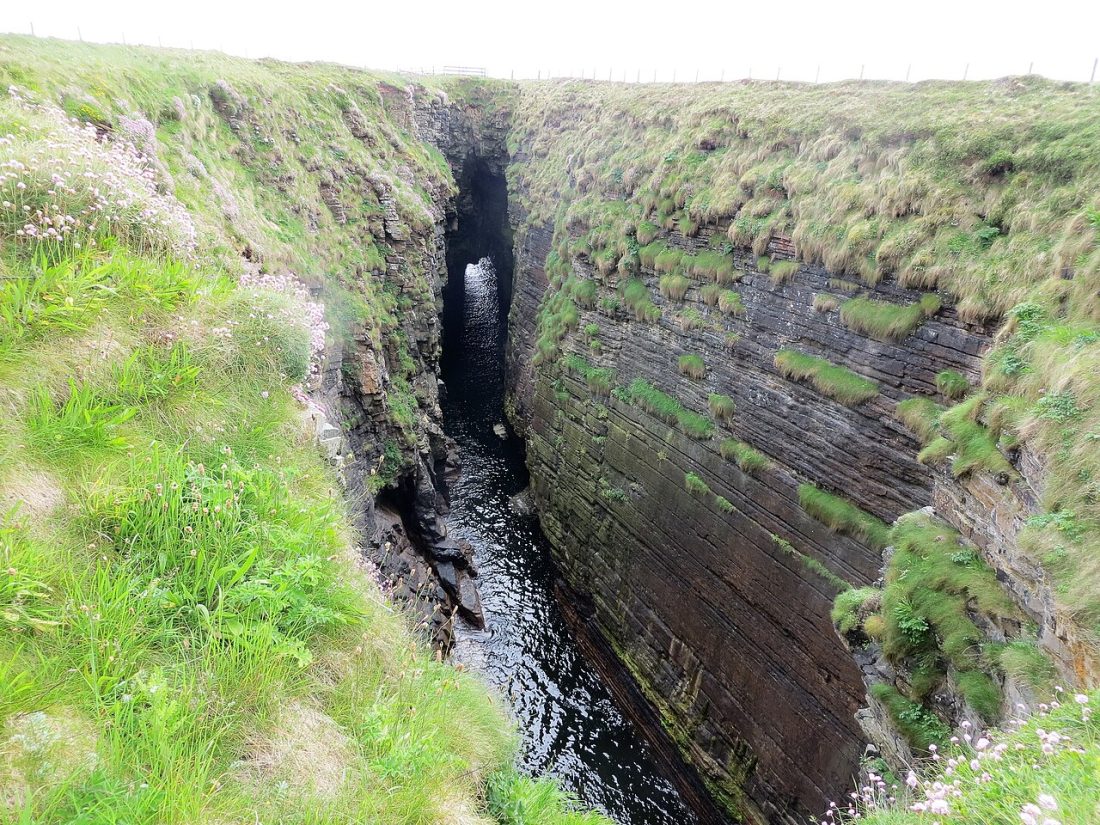
At Mull Head Local Nature Reserve in Deerness, on the east coast of Orkney, a short track from the car park leads to the Gloup, a collapsed sea cave about 80 feet deep, still fed by the tide through a gap under a land bridge. Paths continue to the Brough of Deerness, a small outcrop with the remains of a settlement and church, reached by rock-cut steps. The reserve covers over 200 acres of grassland, heath and coast, good for spotting seabirds.
Good to know: no charge to visit. Mull Head has a round-trip path; the steep path down to the Brough is prone to erosion, so wear good footwear.
The Churchill Barriers and South Ronaldsay
The A961 runs south from Kirkwall over four causeways linking the islands of Lamb Holm, Glimps Holm, Burray and South Ronaldsay, ending at St Margaret’s Hope, where the Pentland Ferries boat from mainland Scotland docks.
17. The Italian Chapel
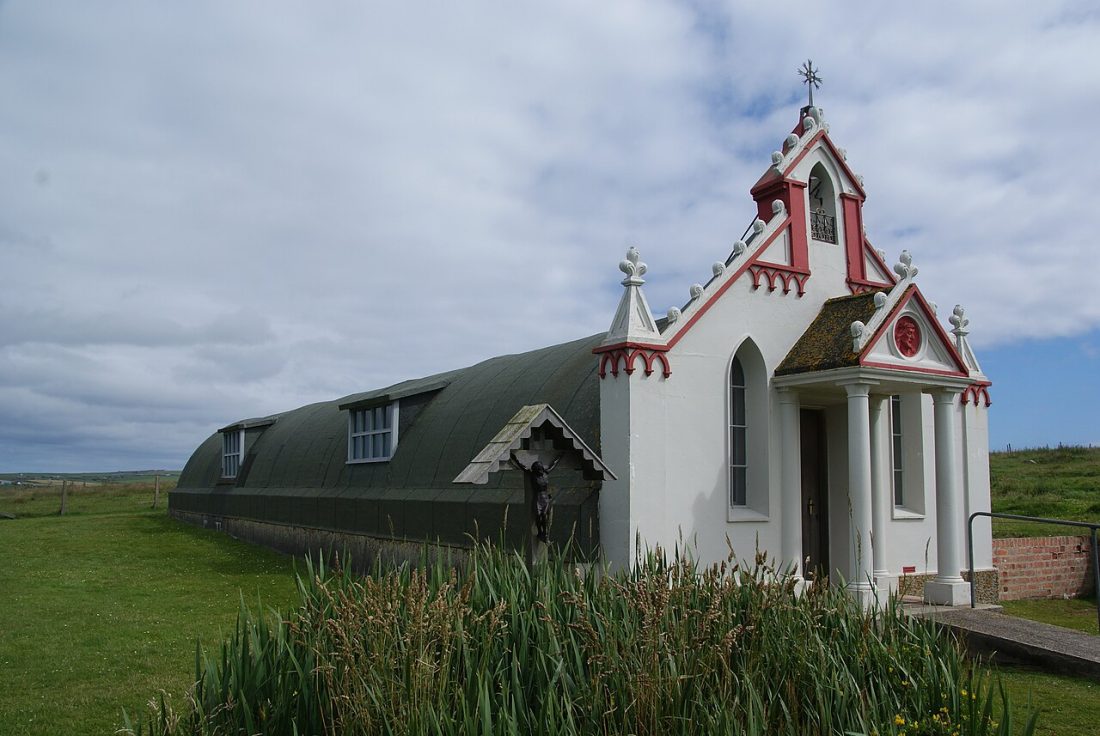
After HMS Royal Oak was sunk, Winston Churchill ordered barriers across the eastern entrances to Scapa Flow, and Italian prisoners of war captured in North Africa were shipped to the small island of Lamb Holm in Orkney to build them. At their camp, artist Domenico Chiocchetti, helped by blacksmith Giuseppe Palumbi and cement worker Domenico Buttapasta, turned two Nissen huts into a painted chapel. His altar Madonna is based on a prayer card by Nicolò Barabino. Read the full story.
Good to know: £4 a person, with no charge for children aged 12 and under. Daily 9am–5.30pm from June to August, shorter hours in April, May, September and October, and 10am–1pm from November to March.
18. The Churchill Barriers and Blockships
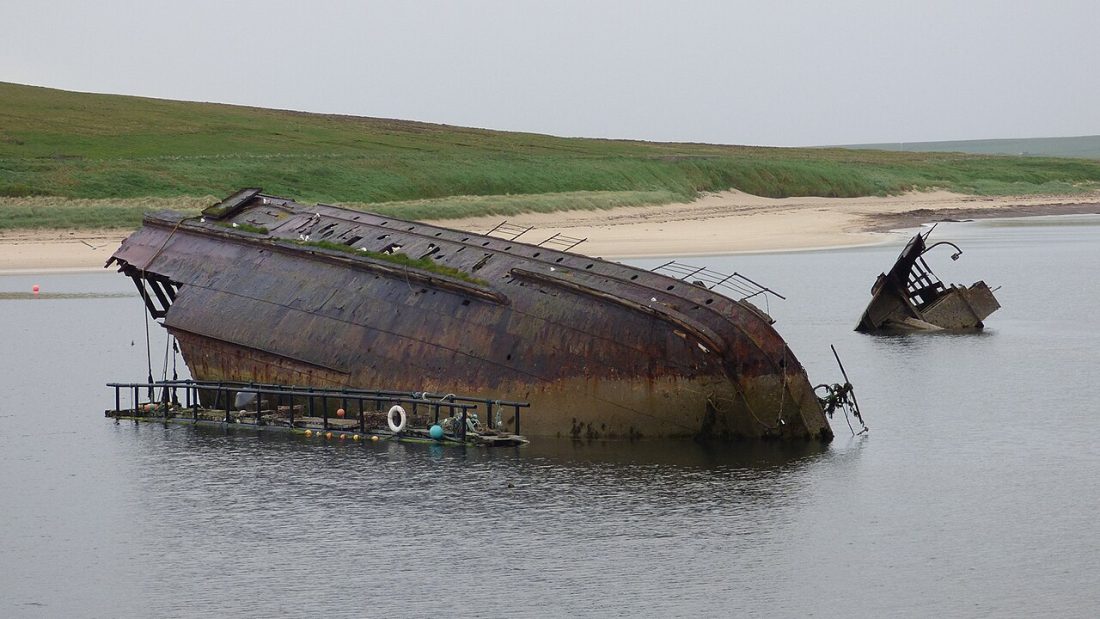
The four causeways carry the road across Kirk Sound, Skerry Sound, Weddel Sound and Water Sound. A report from August 1942 counted 1,170 Italian prisoners in Orkney, split between Camp 60 on Lamb Holm and Camp 34 on Burray. Rusting blockships, sunk earlier to close the channels, still break the surface beside the causeways, and sand has built up against the southern barriers. Our Churchill Barriers guide.
Good to know: no charge. In severe gales waves wash over the road and it can close for short periods; check before you set out.
19. Tomb of the Eagles (Isbister Cairn)
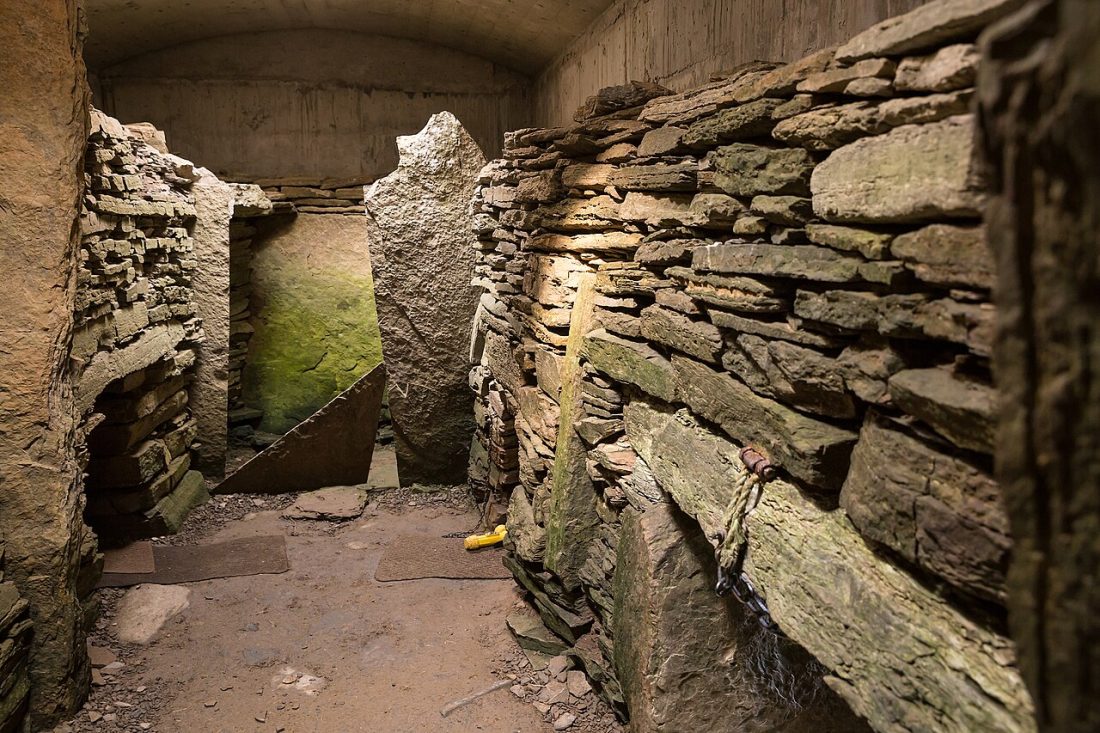
At the south-east tip of South Ronaldsay, a privately run visitor centre lets you handle original finds from a Stone Age tomb and a Bronze Age site, before a path of about a mile leads past the Bronze Age remains to the tomb itself.
Good to know: the visitor centre and tomb are shut for the season and the owners say they will reopen at Easter 2027. Check their website before planning a visit.
Hoy and Scapa Flow
Hoy is the highest and wildest of the Orkney islands, a short sailing from Houton (vehicles) or Stromness (foot passengers). Allow a full day on the island; its south end faces the old naval base at Lyness.
20. Scapa Flow Museum, Lyness
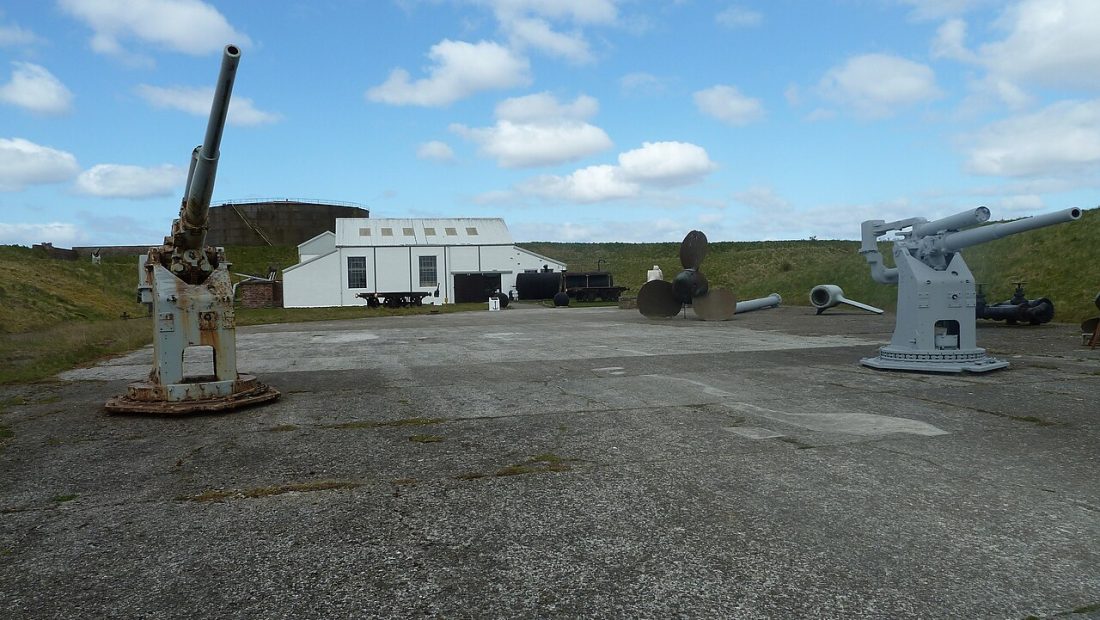
Scapa Flow was the main base of the Royal Navy’s Home Fleet in both world wars. This museum, in the 1937 oil pumphouse at Lyness, reopened in July 2022 after a major refit and tells the story of the anchorage, from the 52 German warships scuttled here on 21 June 1919 to the loss of the Royal Oak. Outside are guns, anchors and propellers, and the naval cemetery is nearby.
Good to know: admission by donation (£5 suggested). Shut in January and February; check days and times for the rest of the year.
21. The Old Man of Hoy and Rackwick
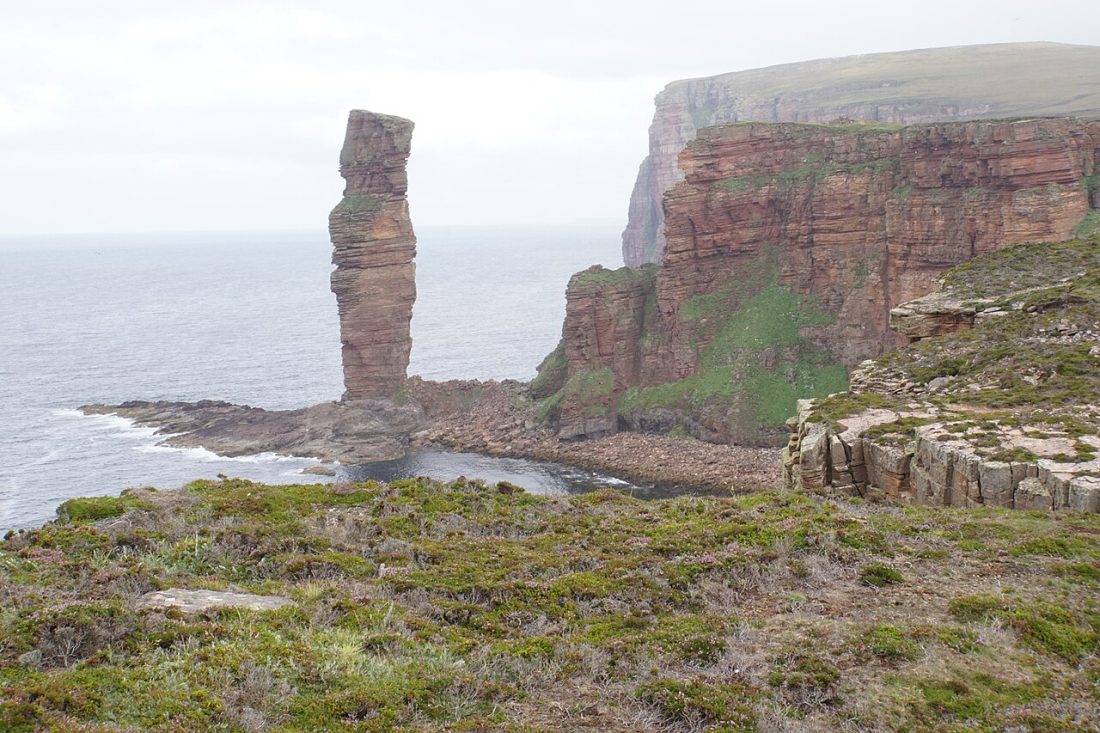
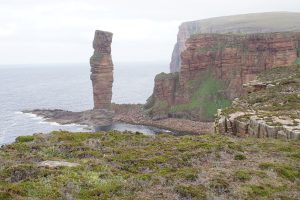
At 137m, the Old Man of Hoy is one of the tallest sea stacks in the British Isles, a red sandstone pillar first climbed in 1966. The NorthLink sailing from Scrabster passes it, but the classic way to see it is on foot from Rackwick, a remote bay of huge boulders under high hills on Hoy’s west coast. The path to the clifftop viewpoint is about 9km return.
Good to know: no charge to visit. Allow around three hours there and back from Rackwick, wear boots, and keep well back from the edge.
22. The Dwarfie Stane
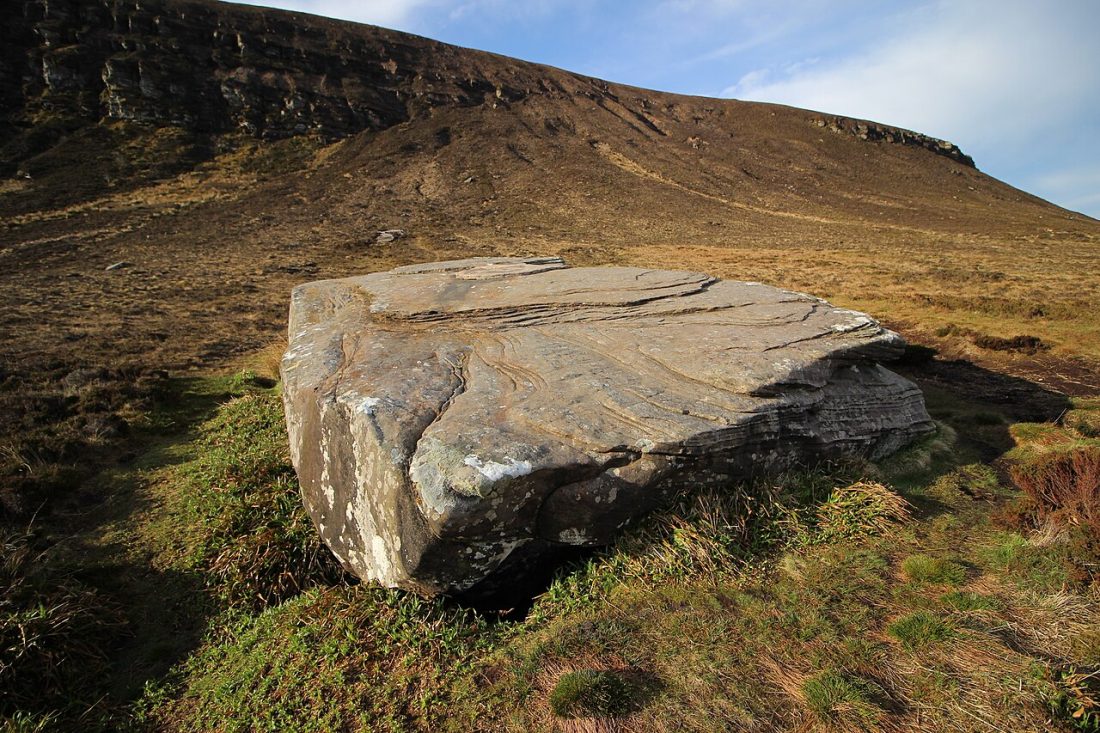
On the road to Rackwick, a huge block of sandstone has been hollowed into a passage and two small cells. HES classes it as a Neolithic tomb because of its form, though no bones or objects have ever been found to date it. Look for the graffiti on the outside, including Persian script carved in 1850.
Good to know: no charge to visit, accessible all year. There is roadside parking by the path; foot passengers from Moaness can reach it on foot in about 2.5 miles.
23. Wreck Dives in Scapa Flow
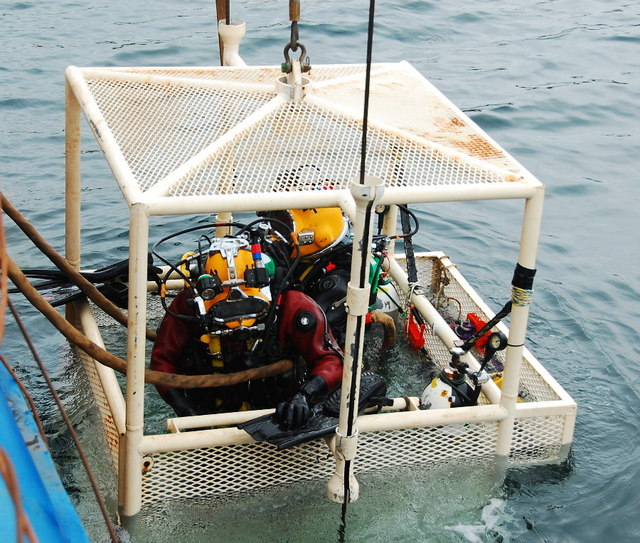
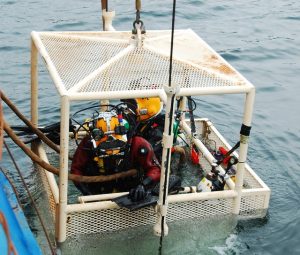
Orkney’s Scapa Flow is famous among divers for the remains of the German High Seas Fleet scuttled in 1919, along with dozens of other sunken vessels. Most charters sail from Stromness, and the deeper fleet wrecks suit qualified divers with drysuit experience. Read our diving guide.
Good to know: confirm prices and qualification rules when booking with a charter. The Royal Oak wreck is a war grave and is off limits.
The North Isles of Orkney
Orkney Ferries sails to 13 of the islands, and Loganair flies small planes from Kirkwall to several more. Even a single day of island hopping shows a quieter side of Orkney.
24. Rousay: Midhowe Broch and Cairn
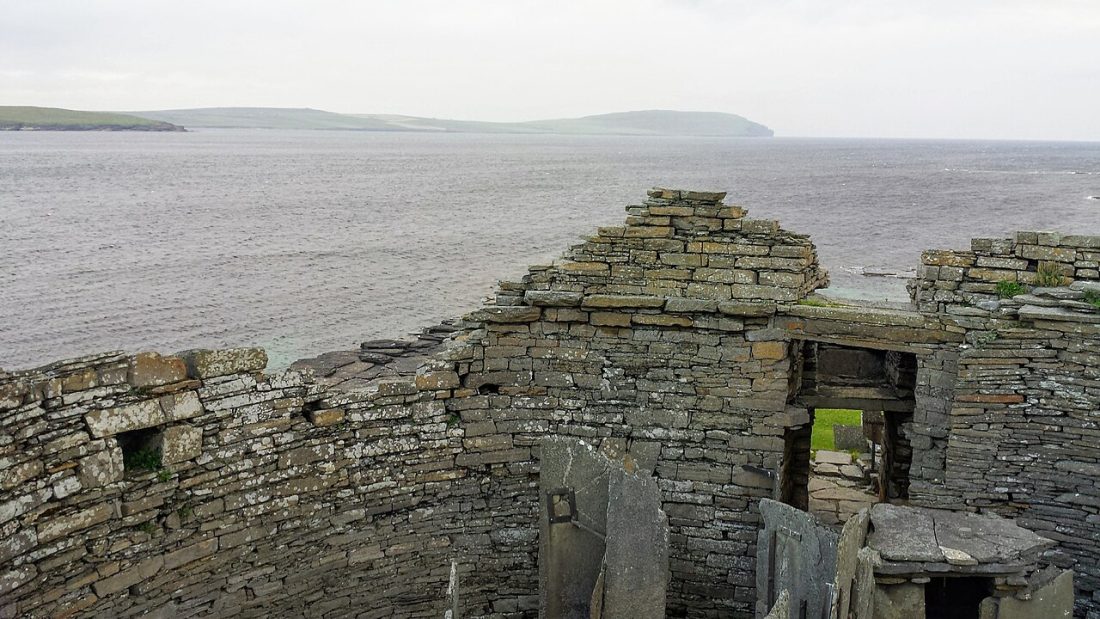
A short sailing from Tingwall, Rousay is a hilly island packed with ancient monuments. On its west coast, Midhowe Broch stands right on the shore of Eynhallow Sound, and next to it a huge stalled cairn, inside a protective building, can be viewed from raised walkways. Smaller tombs, Taversoe Tuick, Blackhammer and the Knowe of Yarso, line the road along the south coast.
Good to know: no charge to visit, accessible all year. The path down to Midhowe crosses steep farmland, and parking is limited.
25. Westray and Papa Westray
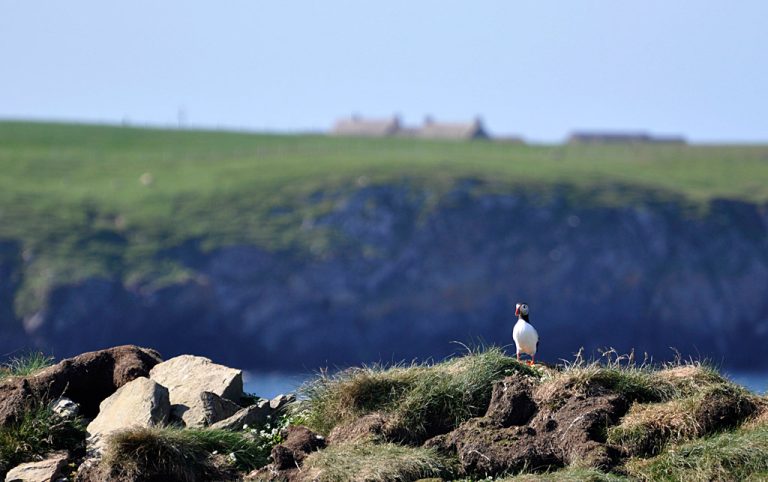
Westray has Noltland Castle, built for Gilbert Balfour, master of Mary Queen of Scots’ household, with 71 gun holes in its walls; HES says it seems never to have been finished. From late April to mid-August, puffins nest on the Castle o’ Burrian, a stack you can watch from the clifftop near Rapness. Next door, the small island of Papa Westray holds the Knap of Howar, two Stone Age farmhouses that HES calls the oldest standing stone buildings in north-west Europe. The hop between the two islands is the world’s shortest scheduled route, about a minute and a half in the air.
Good to know: the sites have no admission charge. Book sailings and inter-island seats ahead, and stay at least one night on the island of your choice to make it worth the time.
Our Full Guides to 14 Orkney Sights
Scrabster, Gills Bay and Aberdeen sailings compared, with tips for taking a vehicle.
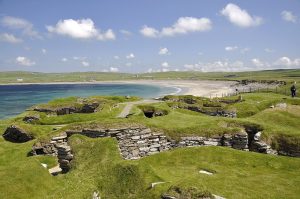
Skara Brae
Must-seeThe Stone Age village uncovered by a storm in 1850, with its stone dressers and box beds.
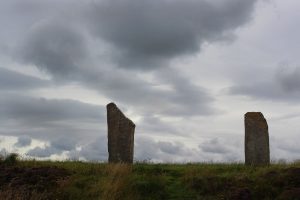
Ring of Brodgar
Must-seeA great ring on a strip of land between two lochs; 36 of its 60 stones survive.
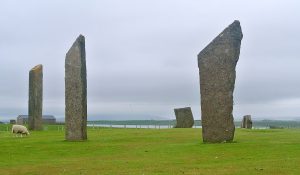
Standing Stones of Stenness
AncientFour slabs up to 6m tall, possibly the earliest henge in the British Isles.
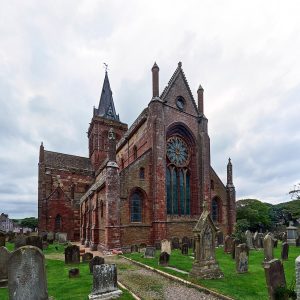
St Magnus Cathedral
LandmarkThe red sandstone cathedral founded in 1137, known as the Light in the North.
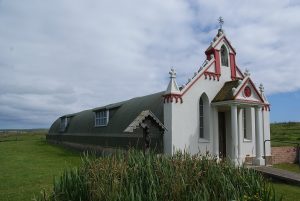
The Italian Chapel
MovingTwo Nissen huts turned into a painted chapel by Italian prisoners in 1943–44.
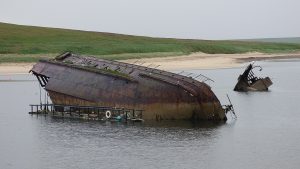
The Churchill Barriers
DriveFour causeways that sealed the eastern entrances to Scapa Flow, lined by rusting wrecks.
Broch of Gurness
Iron AgeA broch tower ringed by stone houses, looking over Eynhallow Sound to Rousay.

Yesnaby
WildSandstone cliffs, geos and the Yesnaby Castle sea stack on the Atlantic edge.
Stromness
BaseA flagstone-paved harbour town with the Pier Arts Centre and its museum.
Kirkwall
CapitalThe main town in Orkney, with the cathedral, palaces, shops and the Orkney Museum.
Orkney Distilleries
DrinksHighland Park, Scapa and Kirkjuvagr, made at Orkney Distillery by the harbour.
Scapa Flow & Scapa Beach
HistoryThe great anchorage, a sandy bay and the HMS Royal Oak memorial garden.
Diving in Orkney
AdventureWreck dives on the scuttled German fleet, with charters from Stromness.
Getting to Orkney and Getting Around
- Boats: NorthLink Ferries sails from Scrabster to Stromness in 90 minutes, passing the Old Man of Hoy, and overnight from Aberdeen to Kirkwall (about six hours; not every sailing calls at Kirkwall, so check the timetable). Pentland Ferries crosses from Gills Bay, near John o’ Groats, to St Margaret’s Hope in about an hour, three times a day. Our guide to the crossings compares them in detail.
- By air: Loganair flies to Kirkwall from Edinburgh, Glasgow and Inverness in mainland Scotland. Book early for the best fares.
- Getting around: driving yourself is the easiest way to see the scattered sites in Orkney. Stagecoach’s X1 bus links Stromness, Kirkwall and St Margaret’s Hope, but most public transport on the smaller islands is limited, so many visitors without a vehicle book an organised day trip around the Mainland.
- To the other islands: Orkney Ferries sails from Houton to Hoy, from Tingwall to Rousay and from Kirkwall to the northern islands; vehicle space is limited, so book.
Ways to Reach Orkney Compared
| Route | Operator | Crossing time |
|---|---|---|
| Scrabster – Stromness | NorthLink Ferries | 90 minutes |
| Gills Bay – St Margaret’s Hope | Pentland Ferries | About 1 hr |
| Aberdeen – Kirkwall | NorthLink Ferries | About 6 hrs, evenings |
| Edinburgh, Glasgow, Inverness – Kirkwall | Loganair | Short hop; confirm when booking |
How Many Days in Orkney? A Sample Itinerary
- One day in Orkney: the Stone Age loop. Skara Brae first thing, then Yesnaby, Brodgar, Stenness and a booked afternoon slot at Maeshowe, finishing in Stromness.
- Two days in Orkney: add Kirkwall (cathedral, palaces, museum and a distillery), then drive south over the barriers to the Italian Chapel and back via Scapa Beach.
- Three or four days in Orkney: add Birsay at low tide, Gurness and Marwick Head, then take the boat to Hoy for the Old Man and the Scapa Flow Museum, or spend a night on one of the northern islands such as Westray.
- Coming from the south? Orkney is a long way from the capital: allow a full day to drive to Scrabster or Gills Bay, or go via Inverness and break the journey there.
Orkney Tips: Weather, Light and Booking
- Orkney weather changes quickly and it is often windy, even in July. Pack waterproofs and layers whatever the forecast says.
- At midsummer it hardly gets dark in Orkney: Orcadians call the long twilight the simmer dim. In the darker months, clear nights bring a chance of the northern lights, which locals call the merry dancers.
- Book Maeshowe, distillery visits, vehicle space on the boats and evening meals ahead between May and September, when cruise ships call at Kirkwall.
- The St Magnus International Festival (19–28 June in 2026, its 50th year) and the Orkney Folk Festival in Stromness (27–30 May 2027) fill accommodation, so plan early if your dates overlap.
- Several HES sites, including Gurness and the Kirkwall palaces, shut from October to March, and timetables to the smaller islands are thinner in the off season. Spring, from April, brings longer days before the busy months.
- Prices at HES sites are lower if you book online, and an Explorer Pass can save money if you plan to see Skara Brae, Maeshowe and the palaces.
Where to Stay in Orkney
Kirkwall has the widest choice in Orkney of hotels, B&Bs and places to eat, and it suits a first visit, with boats from Kirkwall to the outer islands. Stromness is smaller and quieter, closer to the Stone Age monuments and the west coast. Several of the smaller islands also have B&Bs and hostels. For self-catering cottages and rooms, search Airbnb in Orkney and book well ahead for May to August.
Orkney FAQs
What is Orkney best known for?
Its Stone Age monuments: Skara Brae, the Ring of Brodgar, the Stones of Stenness and Maeshowe form a World Heritage Site. It is also known for the islands’ Norse past, St Magnus Cathedral and the naval past of Scapa Flow.
How many days do you need in Orkney?
Three or four days covers the Mainland highlights, Kirkwall and the Italian Chapel without rushing, with time for Hoy or one of the northern islands. Two days is enough for the main monuments and Kirkwall.
How do you get to Orkney?
By sea from Scrabster to Stromness (90 minutes), from Gills Bay to St Margaret’s Hope (about an hour) or overnight from Aberdeen to Kirkwall, or by Loganair to Kirkwall from Edinburgh, Glasgow or Inverness.
Do you need a car in Orkney?
It helps. In Orkney, the X1 bus links Stromness, Kirkwall and St Margaret’s Hope, but sites like Yesnaby, Birsay and Gurness are hard to reach without your own transport, so many visitors without one book a guided tour.
When is the best time to visit Orkney?
May to early September brings long days, nesting seabirds and every attraction running. Many HES sites shut or shorten their hours from October to March, though midwinter is the time to see the sunset light up Maeshowe.
Is Skara Brae worth the ticket?
Yes for most visitors: it is the best-preserved Stone Age village in Western Europe. Book online (adult £14 in 2026) and, from April to October, the ticket includes Skaill House.