
Aberdeenshire is the big rural county wrapped around the city of Aberdeen in Scotland’s north-east. Inland it runs up the Dee and Don valleys to the edge of the Cairngorms; along the shore it covers rocky headlands, sand dunes and a string of harbours from Stonehaven round to Banff. Its history runs from stone circles to royal residences, and you can explore a good part of it over a long weekend or a week. NTS calls it Scotland’s Castle Country, saying it has more castles per acre than anywhere else in the UK, and VisitAberdeenshire lists 263 of them.
This guide picks 30 things to do in Aberdeenshire and along the neighbouring Moray shore, grouped by area so you can plan days around each one and see the coast, glens and harbours of Aberdeenshire in a sensible order. Every entry has its current price and season, checked on the official website, and links to our full page where we have one. Those staying in the city can start with our guide to Aberdeen, and anyone after a ready-made route can use our Aberdeenshire itinerary.
Updated 16 November 2026. Prices and opening times come from each attraction’s official website this month. Many places change their hours by season, so confirm them before you travel.
Aberdeenshire Attractions at a Glance
| Place | Area | Adult price (2026) | Season and notes |
|---|---|---|---|
| Dunnottar Castle | Stonehaven | £13.50 | Open daily; winter hours 10am–3pm |
| Crathes Castle | Banchory | £18 (NTS) | Grounds dawn to dusk |
| Drum Castle | Drumoak | £18 (NTS) | Castle seasonal; grounds dawn to dusk |
| Craigievar Castle | Alford | £18 (NTS) | Guided tours only; reopens 26 March 2027 |
| Castle Fraser | Kemnay | £18 (NTS) | Grounds dawn to dusk |
| Fyvie Castle | Fyvie | £18 (NTS) | Castle seasonal; walled garden all year |
| Braemar Castle | Braemar | £16 | April to end of October |
| Balmoral | Crathie | Grounds no charge in autumn | Set days only; parking £6 |
| Loch Muick | Glen Muick | No charge | Parking fee; 12.5 km circuit |
| Burn o’ Vat | Dinnet | No charge | Parking fee |
| RSPB Fowlsheugh | Crawton | No charge | Seabirds May to early August |
| Slains Castle | Cruden Bay | No charge | Unfenced ruin |
| Bullers of Buchan | Buchan | No charge | Unfenced edges |
| Forvie | Newburgh | No charge | South area closed April to August |
| Pennan | Banffshire | No charge | Local Hero phone box |
| Crovie | Gamrie Bay | No charge | No road through it |
| Portsoy | Banffshire | No charge | Boat festival paused in 2027 |
| Footdee | Aberdeen harbour | No charge | Residents’ homes |
| Peterhead Prison Museum | Peterhead | Confirm when booking | Daily 10am–3pm |
| Museum of Scottish Lighthouses | Fraserburgh | £12.50 | Daily 10am–4pm, guided visits |
| Duff House | Banff | £10 online | Days vary by season |
| Easter Aquhorthies | Inverurie | No charge | Open all year |
| Tomnaverie | Tarland | No charge | Open all year |
| Fettercairn Distillery | Fettercairn | £20 standard visit | Wednesday to Saturday |
| Glen Garioch Distillery | Oldmeldrum | Varies by experience | Open daily |
| Glenglassaugh Distillery | Sandend | On request | Private appointment only |
| BrewDog DogTap Ellon | Ellon | From £20 | Brewery visit 1.5 hours |
| Bow Fiddle Rock | Portknockie (Moray) | No charge | Short path from parking |
| Lossiemouth | Moray | No charge | East and West beaches |
| Findhorn | Moray | No charge | Bay and beach huts |
NTS = National Trust for Scotland; members get in at no charge, and NTS parking costs £5. Prices are standard adult rates in November 2026.
Aberdeenshire Castles: Highlights of the Castle Trail
The VisitScotland Castle Trail links 19 historic sites across the county. These seven Aberdeenshire castles are the easiest to visit in combination, and five belong to the National Trust for Scotland, which opens interiors on a seasonal timetable while keeping most grounds and estate paths open from dawn to dusk.
1. Dunnottar Castle
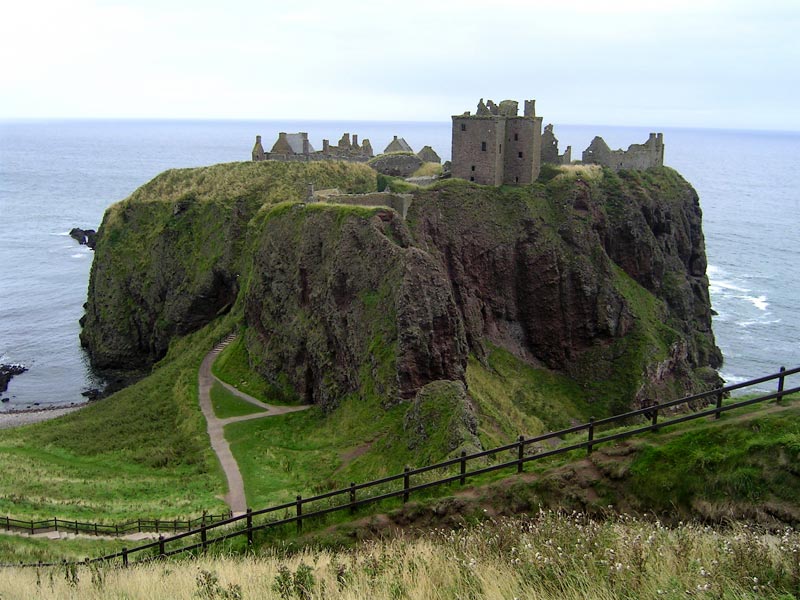
Dunnottar is the historic ruined fortress of the Earls Marischal, on a 160-foot rock surrounded on three sides by the North Sea, 1.6 miles south of Stonehaven. Its best-known story is the rescue of the Honours of Scotland, the Scottish crown jewels, from Oliver Cromwell’s army in the 1650s.
Adult tickets cost £13.50, children aged 5–15 pay £6.25 and a family ticket is £36. It opens daily: 9am–6pm from April to September and 10am–3pm from 25 October to 31 January, with last entry an hour before closing. It is closed on 16, 25 and 26 December 2026 and on 1 and 2 January 2027, and may shut at short notice in high winds or snow. Only cards are accepted. Our Dunnottar Castle guide has the historic clifftop route from Stonehaven.
Good to know: the ruin sits at the bottom of steep steps, so wear sturdy shoes to explore it.
2. Crathes Castle
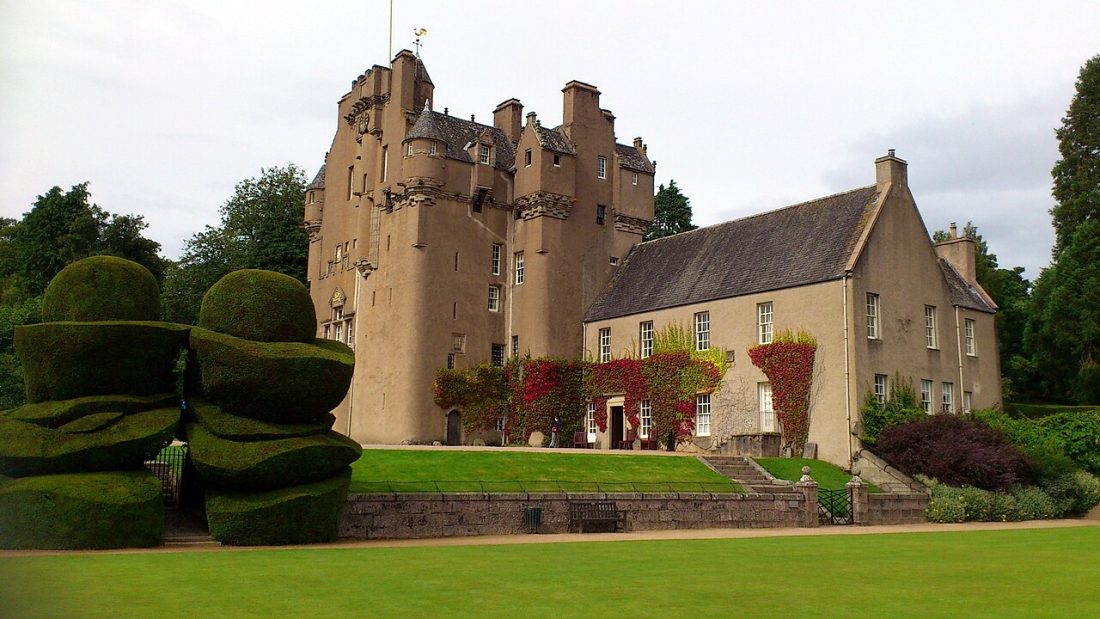
Alexander Burnett built this tower house in the 16th century, and his family lived in it for more than 350 years. Inside are painted ceilings, oak panelling and the Horn of Leys, given to the Burnetts by Robert the Bruce. The historic walled garden is split into eight sections, and its huge yew hedges are thought to date from as early as 1702.
An adult ticket is £18 and a family ticket £40.50. On our November check the castle, shop, café and garden were open 10am–4pm. Read more in our Crathes Castle guide.
Good to know: the Wild Wood Adventure Play area has its own hours, so check them if you are bringing children.
3. Drum Castle
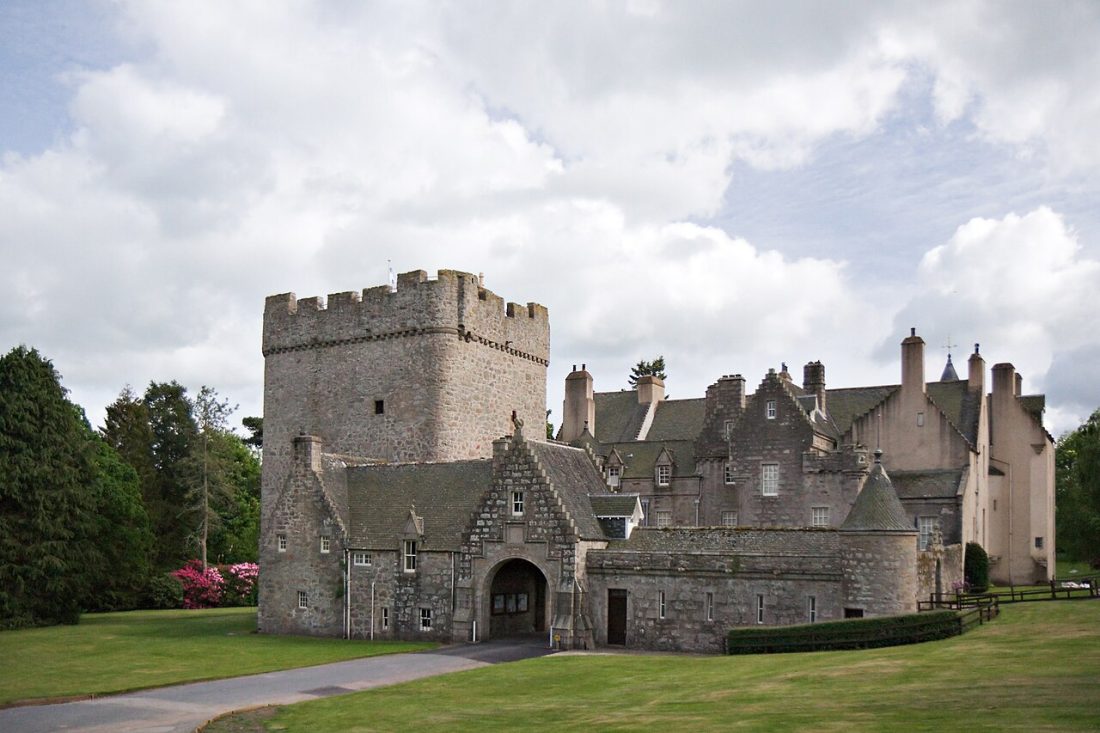
Robert the Bruce gave the Royal Forest and Tower of Drum to the Irvine family in 1323, and the medieval square tower is one of the oldest in Scotland. A Jacobean mansion was added later, and the Victorian library holds about 4,000 books. The walled garden traces how roses were grown from the 17th to the 20th century, and the Old Wood of Drum has oaks dating from the 1700s and woodland walks.
Adult entry is £18. Like most NTS properties in Aberdeenshire, it follows a seasonal timetable (it was closed on our mid-November check), while the estate grounds open from dawn to dusk all year. Our Drum Castle page covers the woodland paths.
Good to know: wildlife in the Old Wood includes red squirrels, roe deer, badgers and red kites.
4. Craigievar Castle
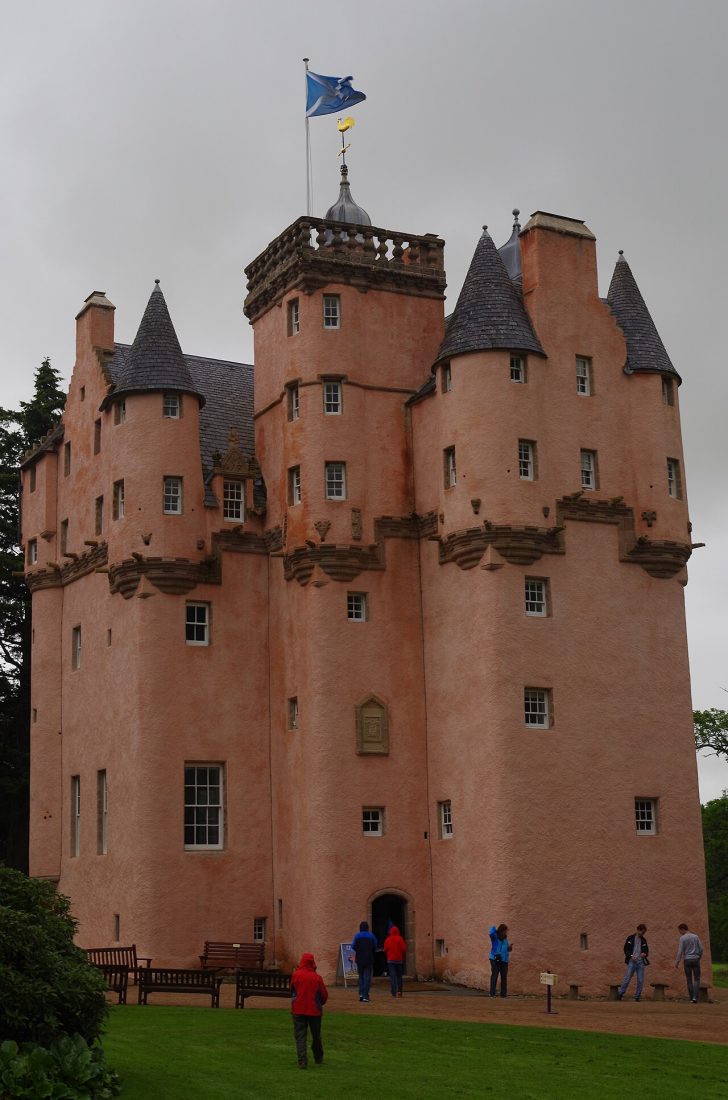
This pink tower house near Alford was begun around 1576 and completed by William Forbes around 1626. Its historic exterior has barely changed since, and it was a family home until the 1960s. The NTS Pink Again project renewed the pink lime harling, which has to be limewashed every 10 years.
Entry is by guided visit only, for up to 10 people at a time, on a first-come, first-served basis. You cannot book ahead. The castle is closed until 25 March 2027, then opens Friday to Monday from 26 March to 30 May and daily from 1 June to 5 September, 10.30am–4pm. Adults pay £18. See our Craigievar Castle guide.
Good to know: the grounds and woodland walks stay open from dawn to dusk even when the castle is shut.
5. Castle Fraser
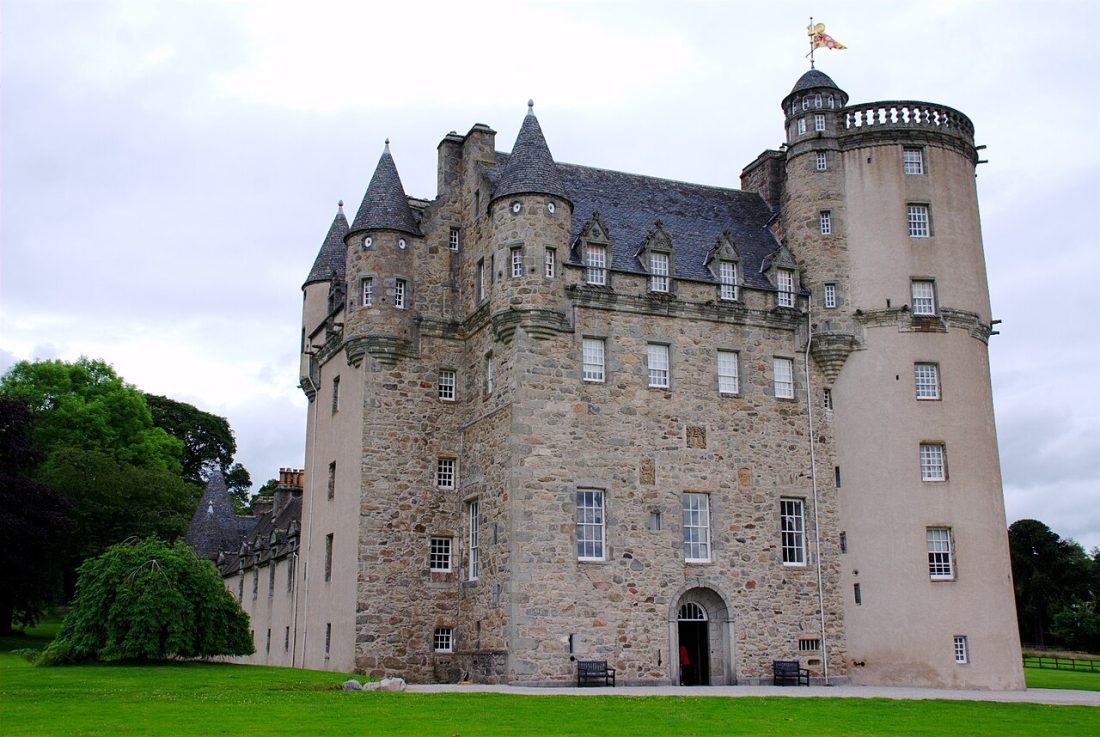
Castle Fraser near Kemnay is one of the largest tower houses in Scotland, with a core that dates from as early as 1450. Inside, you can explore the grand hall and see family portraits, including one by Raeburn, and you can climb to the top of the round tower. Fruit and vegetables from the walled garden are served in the courtyard tearoom, and estate walks lead out through the grounds.
On our November check the castle was open 10.30am–4pm (last entry 3pm) and the garden 10am–4pm. Adults pay £18.
Good to know: the climb to the top of the round tower gives views across the estate.
6. Fyvie Castle
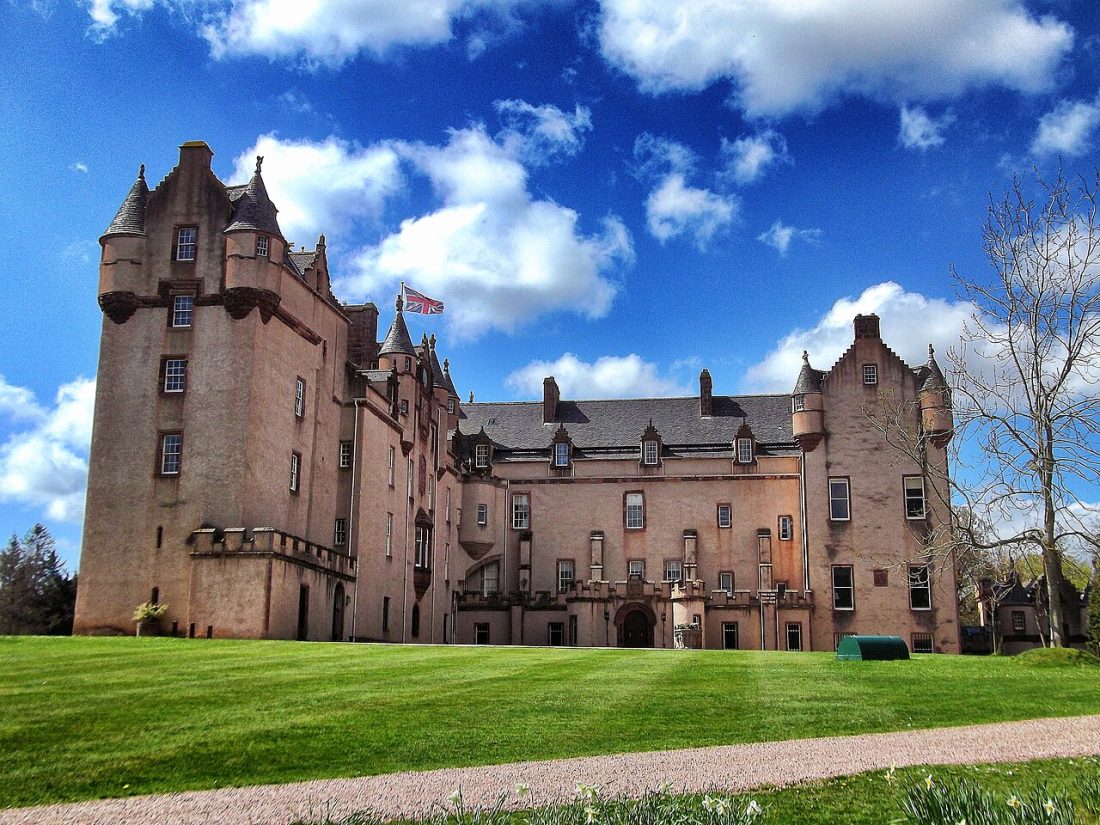
Fyvie has around 800 years of recorded history, much of it told inside the castle. William the Lion was there around 1214, and Robert the Bruce and Charles I later stayed as royal guests. The estate has a loch-side path and the Walled Garden of Scottish Fruit.
Adults pay £18. The castle was closed for the season on our mid-November visit, but the walled garden was open 9am–4pm and the grounds stay open from dawn to dusk.
Good to know: it sits well north of the other NTS properties, so pair it with Haddo or Pitmedden rather than Deeside.
7. Braemar Castle
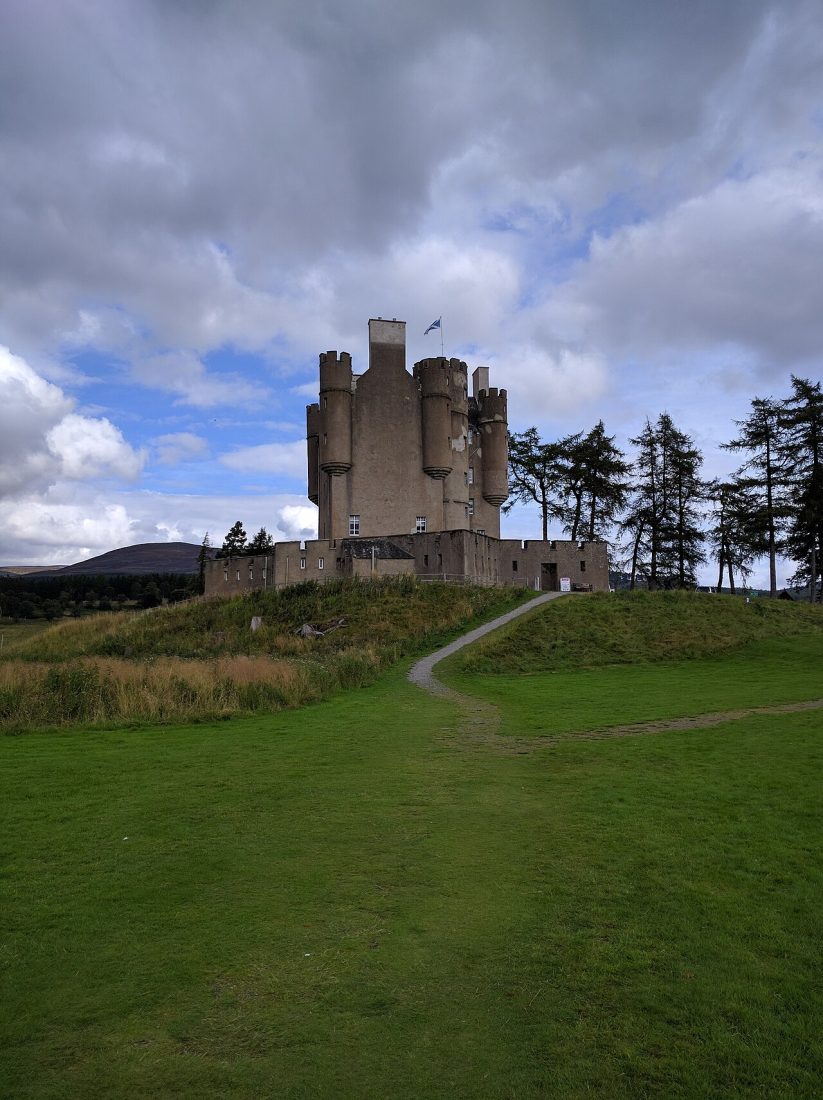
Braemar Castle is run by the local community, which stepped in to rescue the building and its collection in 2007. A conservation project followed, and it reopened on 2 May 2024. A digital guide on the Bloomberg Connects app lets you explore the rooms and the history of the clan in this corner of Aberdeenshire.
It opens from April to the end of October. Adult tickets cost £16, children aged 5–15 pay £8, and a family ticket is £33. It closes on the day of the Braemar Gathering. More in our Braemar Castle guide.
Good to know: tickets are sold at the admission office in the castle.
Royal Deeside and the Cairngorms
West of Banchory, the A93 follows the River Dee into the Cairngorms National Park. These stops in western Aberdeenshire combine royal history with well-known low-level walks and plenty of wildlife.
8. Balmoral Castle and Estate

Balmoral was bought for the royal family in 1852, and the present castle was built in 1856. Access to the estate has expanded under King Charles III: there are now interior visits, Land Rover expeditions with a ranger and an evening experience, all booked ahead and only on set dates.
In autumn 2026 the estate grounds, gift shop and restaurant open on certain days from 10am to 4pm (Wednesday to Sunday at the time of writing), and there is no charge for the grounds. Parking at Crathie costs £6. See our Balmoral guide and the Balmoral cairns walk.
Good to know: the ballroom is closed during the autumn opening.
9. Loch Muick
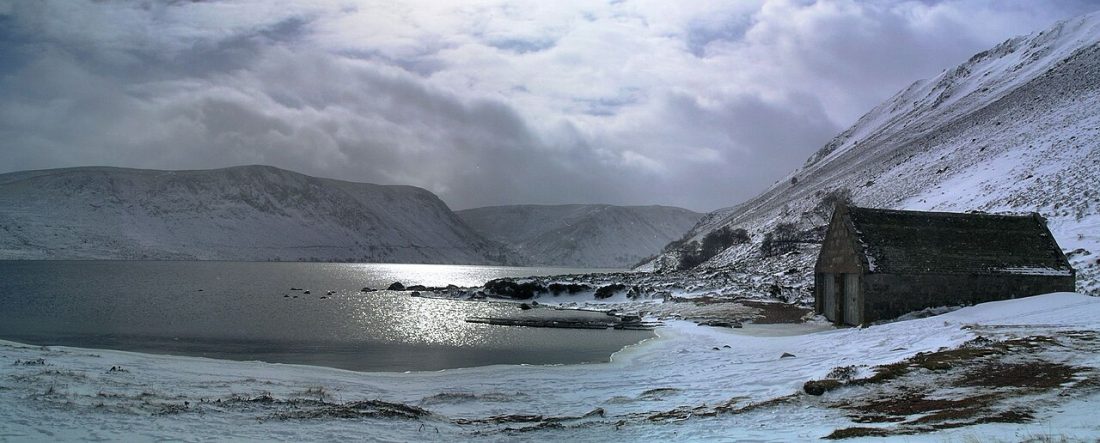
Loch Muick lies at the head of Glen Muick on the Balmoral Estate, south of Ballater. Walkhighlands describes the circuit of the loch as fairly level: 12.5 km (7.75 miles), taking 3–3½ hours. It passes Glas-allt Shiel, the house Queen Victoria built after Prince Albert died.
The route starts from the paid parking at the Spittal of Glen Muick, which has a small information hut and toilets. There is no public transport to the start, so plan to explore it by bike or with your own transport.
Good to know: an optional detour from Glas-allt Shiel leads to the Glas Allt waterfalls.
10. Burn o’ Vat and Muir of Dinnet
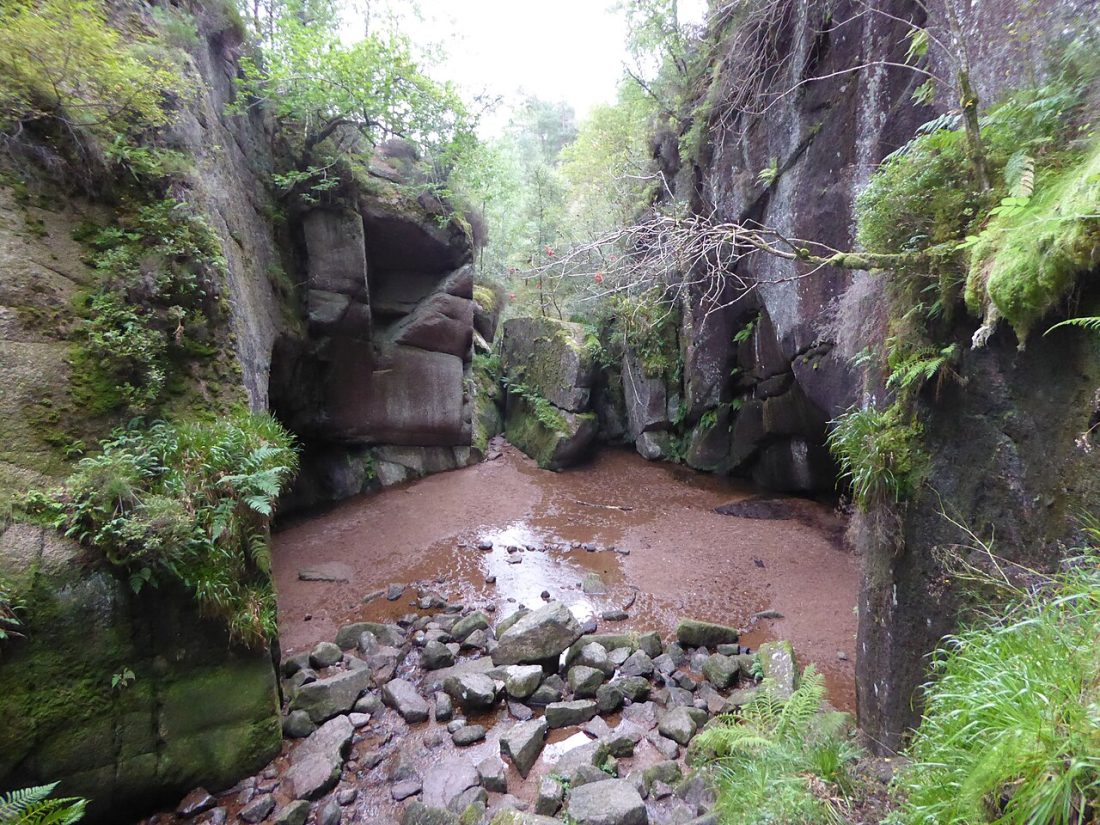
The Vat is a giant pothole carved by meltwater at the end of the last Ice Age, inside the Muir of Dinnet National Nature Reserve near Dinnet. You reach it along a short path from the reserve centre, then over stepping stones that can be slippery or underwater.
The longer Culblean circuit covers 6.4 km in 1½–2 hours, and other trails explore the birch woods and heath of the reserve. The reserve’s centre is open daily from 10am to 4pm from Easter to October, toilets are open all year, and parking costs a fee. Our Muir of Dinnet guide has more on the trails.
Good to know: NatureScot asks people not to paddleboard or kayak on Loch Kinord from 1 March to 31 August.
Clifftops, Seabirds and Seals on the Coast
Dunnottar sits on the Aberdeenshire Coastal Trail, and the shoreline north of it alternates between high crags and dunes. Several of these stops are unfenced clifftops, so keep children and dogs close.
11. RSPB Fowlsheugh
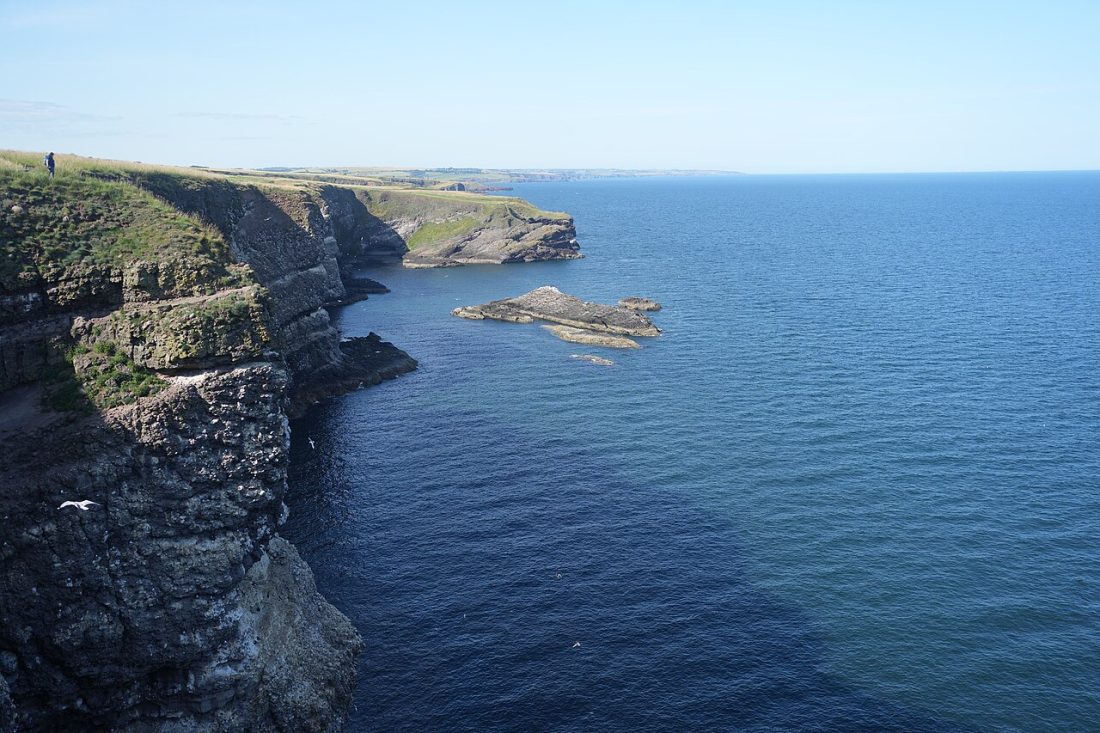
Fowlsheugh is the big seabird reserve on the Aberdeenshire coast. RSPB Scotland says more than 115,000 breed here in spring and summer, making it the largest mainland seabird colony on Scotland’s east coast. Guillemots, razorbills and kittiwakes crowd the ledges, with a few puffins and fulmars, and the reserve is a protected wildlife site.
The birds are there from May to early August, but the 1.5 km clifftop path is open all year at no charge. It starts with two flights of steps and is unsurfaced. Parking is at Crawton, south of Stonehaven, and there are no toilets.
Good to know: keep dogs on a lead and do not park on the verges.
12. Slains Castle

The roofless shell of New Slains Castle stands on the clifftop just north of Cruden Bay. Its roof was removed in 1925 and it has been a ruin ever since. Bram Stoker stayed in Cruden Bay in the 1890s, and the Kilmarnock Arms, where he lodged, says he wrote the early chapters of Dracula there in 1895.
There is no charge and no opening times. The ruin is reached on foot from Cruden Bay and is not maintained, so stay well back from the drops. More in our Slains Castle guide.
Good to know: the walls are unstable and the cliff edges are unfenced.
13. Bullers of Buchan
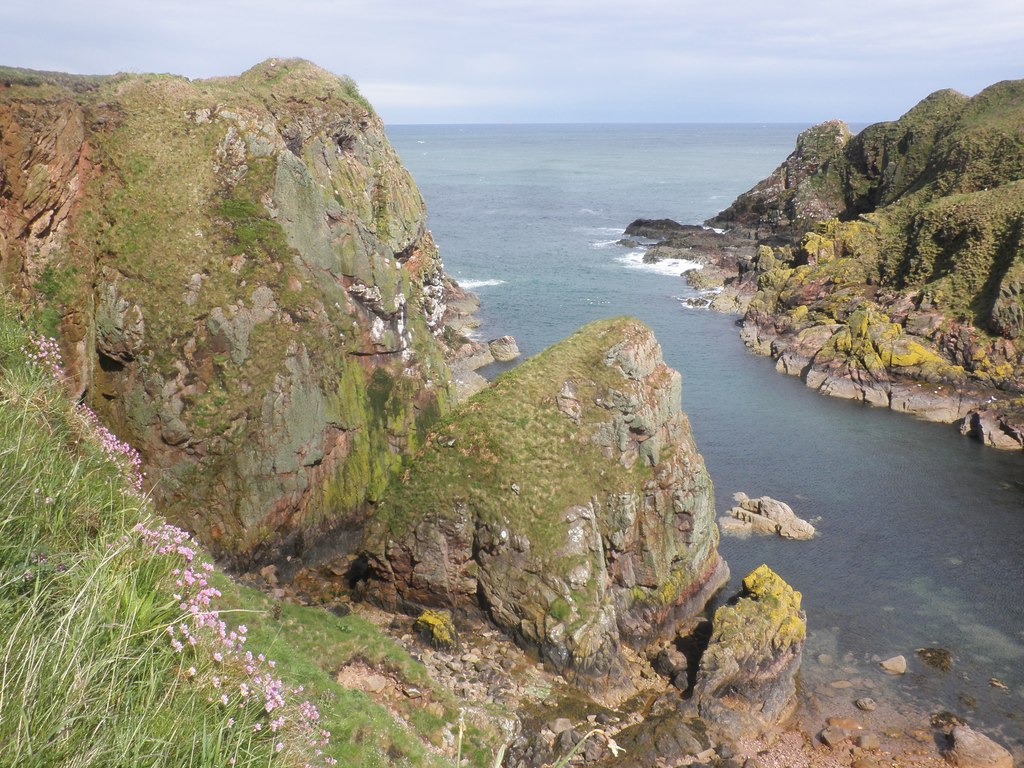
About 10 km south of Peterhead, the Bullers of Buchan is a collapsed sea cave: a deep pot in the rock, with the sea pouring in through a natural arch. A path runs around the rim, and nesting birds use the surrounding ledges in spring and early summer.
Entry costs nothing. Our Bullers of Buchan page explains where to park and how to link it with Slains on foot.
Good to know: the rim path is narrow and unfenced.
14. Forvie and the Newburgh seals
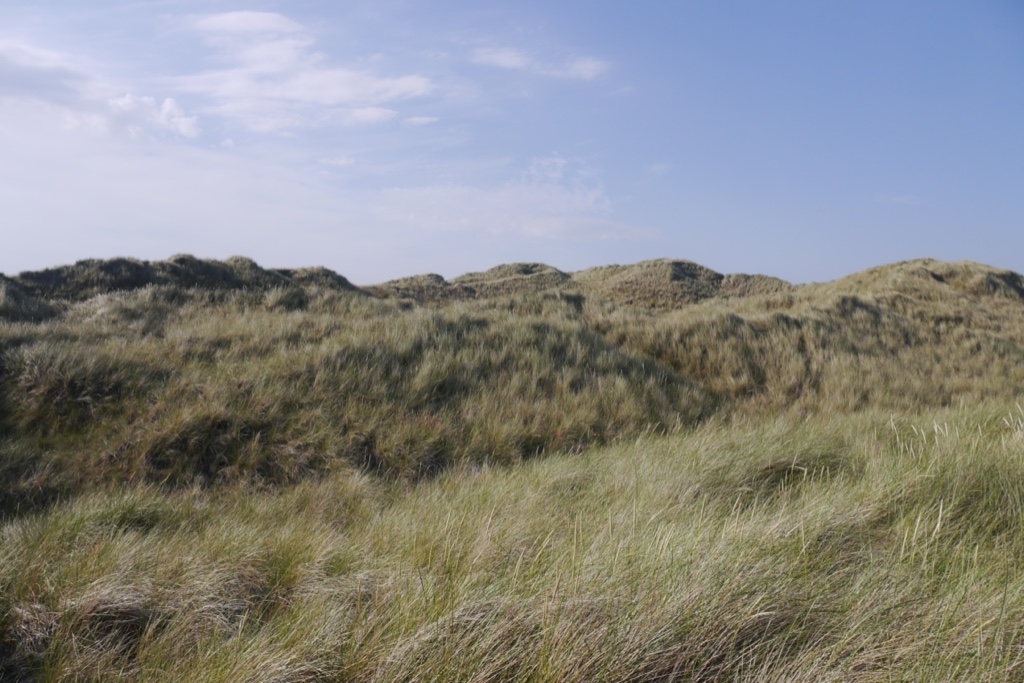
Forvie National Nature Reserve, north of Newburgh, protects towering dunes, the Ythan estuary and a large seal haul-out, and NatureScot calls it a special place for both birds and seals. NatureScot says the best view of the seals is from the south side of the river, reached from the parking area on Beach Road in Newburgh.
From 1 April to 31 August the southern part of the reserve is fenced off to protect breeding terns and eiders. It is an offence to harass seals at the haul-out, so keep your distance. In winter you can explore more widely through the dunes.
Good to know: keep dogs on a short lead in the eider zone during the breeding season.
Fishing Villages and Harbour Towns
The Banffshire coast between Fraserburgh and Cullen is lined with small harbour villages, some at the foot of steep coastal roads. All are free to visit, but people live here, so park where signs direct you.
15. Pennan
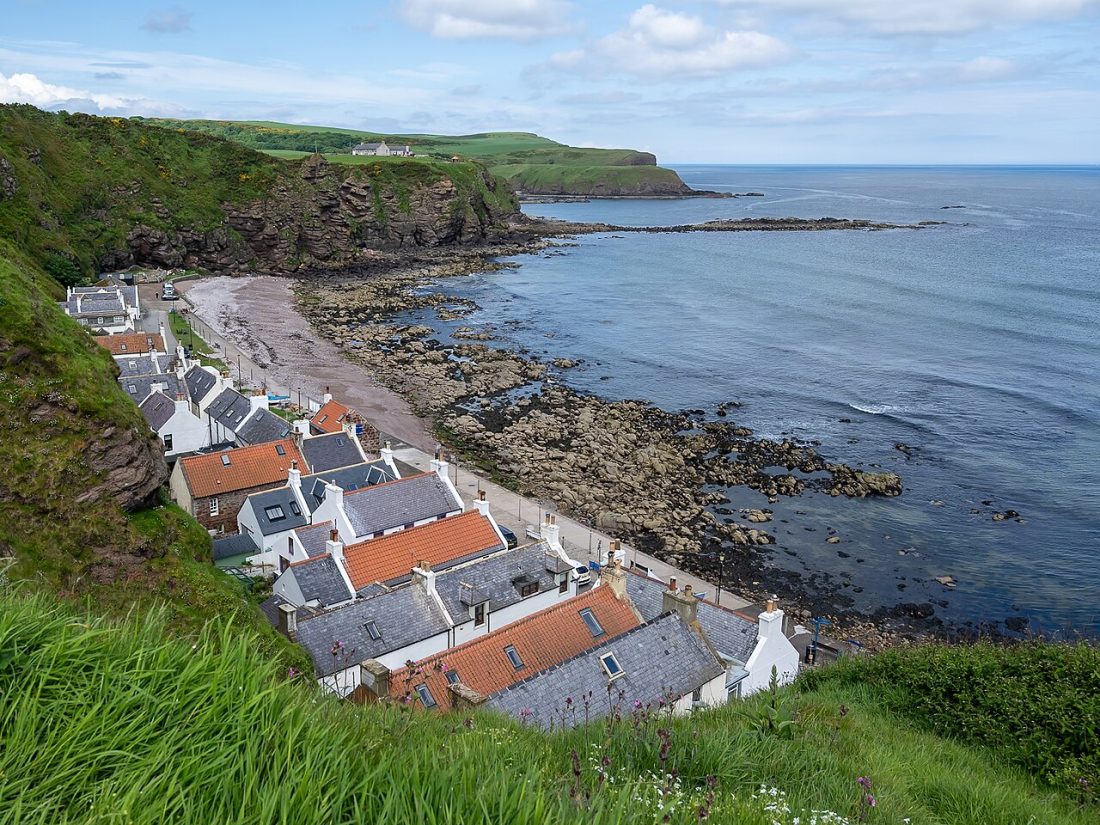
Pennan is one of the Banffshire harbour villages, a tiny settlement at the foot of the crags on the north coast of Aberdeenshire. Parts of the 1983 film Local Hero were shot here, and the red telephone box from the film still stands on the harbour front. In 2021 Aberdeenshire Council said the phone box would be kept in service.
It costs nothing to visit, and Crovie is a short drive west along the coast.
Good to know: the houses are lived in, so park considerately and keep noise down.
16. Crovie

Crovie, on Gamrie Bay, is a tiny Aberdeenshire settlement: a single row of cottages built so close to the sea that there is no room for a road. A concrete path runs along the front of the houses instead.
Visitors are asked to leave cars at the viewpoint above and go down on foot. Our Crovie guide has more.
Good to know: the climb back up is steep.
17. Portsoy
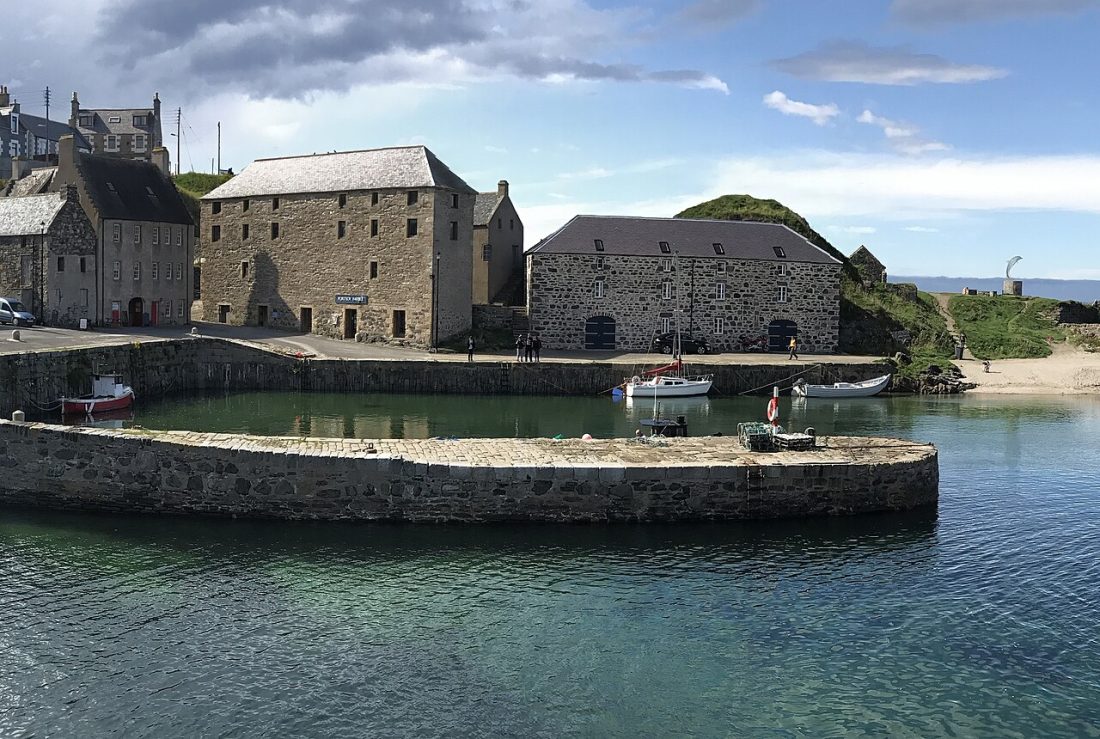
Portsoy’s historic Old Harbour was rebuilt in stone in 1692 and is largely the harbour you see today. The Scottish Traditional Boat Festival has been held here every summer since 1993, but the organisers have announced a pause in 2027 to review the event.
Our Portsoy Harbour guide covers the town; Glenglassaugh is about 3 km west.
Good to know: combine it with Sandend beach and the coastal drive west to Cullen.
18. Footdee (Fittie), Aberdeen
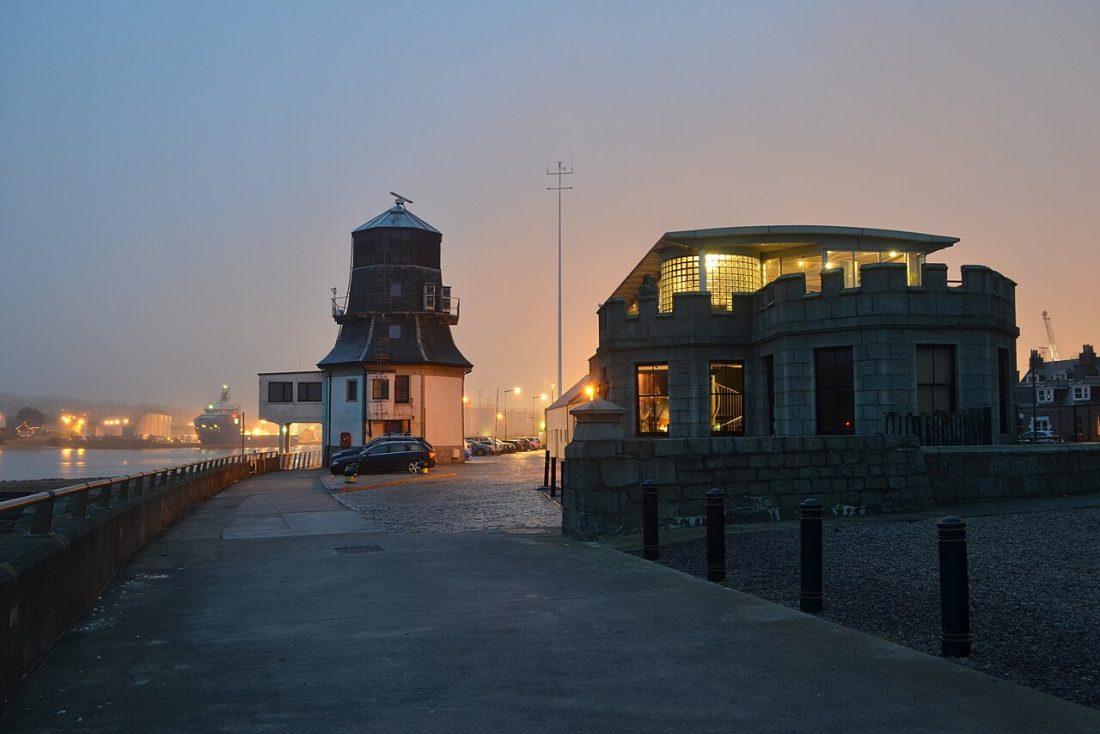
Strictly this is in the city, not Aberdeenshire, but it is on most visitors’ lists. Footdee was laid out in 1809 by John Smith, then Superintendent of the Town’s Public Works, to rehouse Aberdeen’s fishing community in squares of cottages at the mouth of the harbour.
It is free to explore, and the beach promenade starts right next to it. More in our Footdee guide.
Good to know: these are private homes, so keep noise down and stay out of the gardens.
Museums and Rainy Day Attractions
When the weather turns, these three Aberdeenshire museums give you most of a day under cover, with plenty of local history.
19. Peterhead Prison Museum
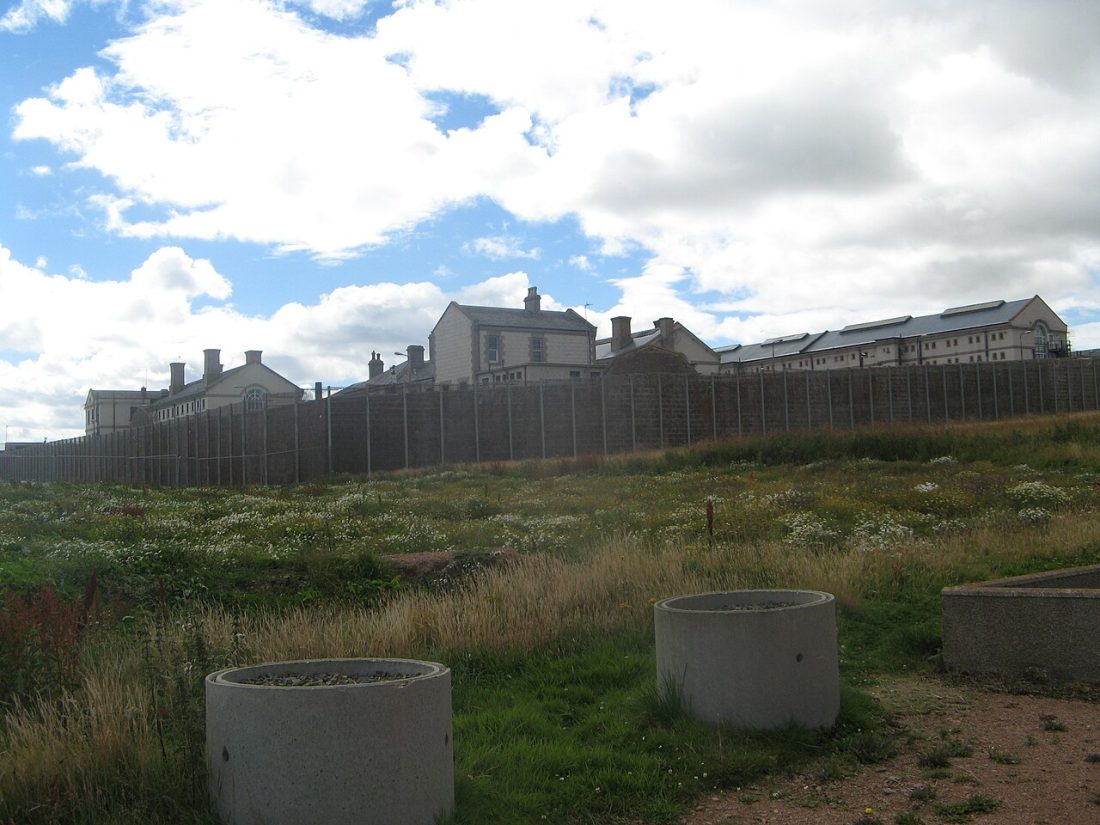
The historic HMP Peterhead opened on 14 August 1888, partly to provide convict labour for the Harbour of Refuge, and it closed in 2013. Prison Entry is a self-guided visit through the cell blocks and yards, covering more than 130 years of history; the museum suggests allowing 1.5–2 hours. Separate guided visits are priced from £17.
It is open daily 10am–3pm, with last entry at 2pm. Tickets are sold in the café, but booking ahead is recommended, especially for the guided option. Under-5s go free. Confirm the Prison Entry price when booking. See our Peterhead Prison Museum guide.
Good to know: well-behaved dogs are allowed with Prison Entry.
20. Museum of Scottish Lighthouses, Fraserburgh
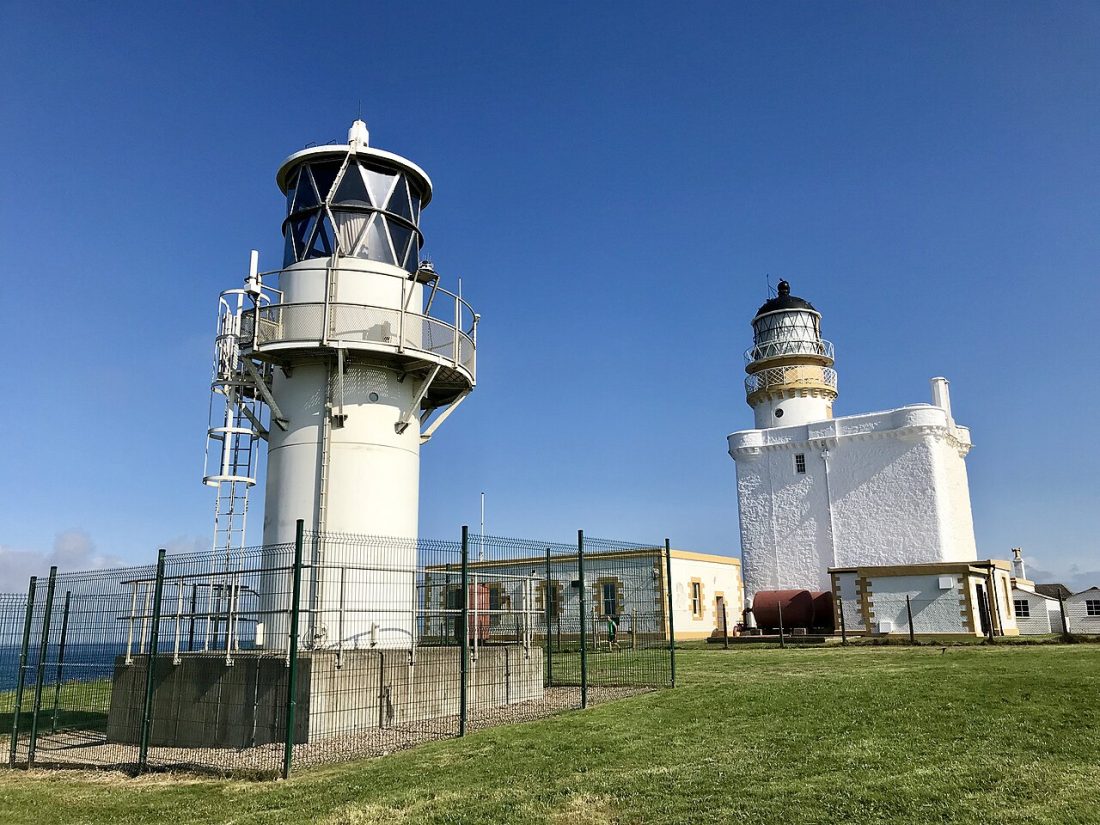
Kinnaird Head was the first lighthouse on mainland Scotland, lit in 1787, and it was built inside a 16th-century castle. The museum alongside tells the story of the Northern Lighthouse Board, its engineers and its keepers.
Admission includes a 45-minute guided tour of the castle and lighthouse. These start on the hour from 10am to 3pm, daily. Adults pay £12.50, children under 16 £6, and a family ticket is £26.
Good to know: the tearoom closes out of season.
21. Duff House, Banff
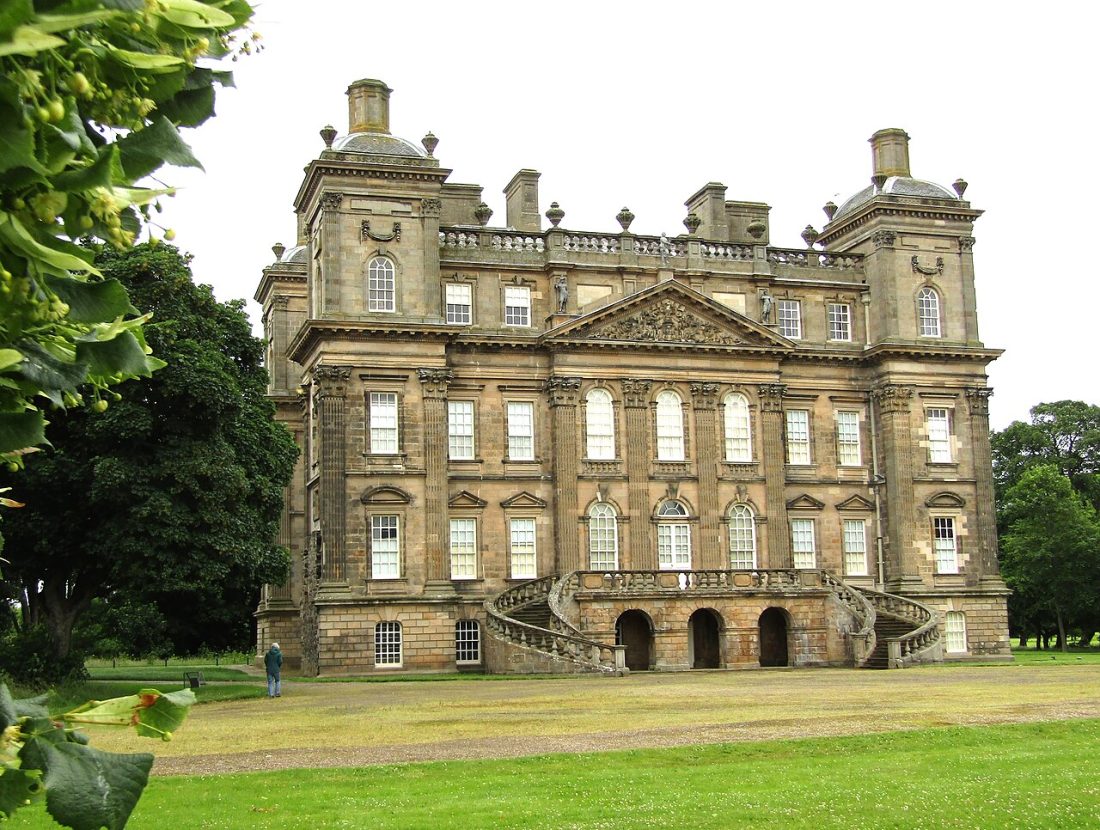
Duff House is an early Georgian mansion designed by William Adam for William Duff, and it is now cared for by Historic Environment Scotland. Historic Environment Scotland says the two fell out over money while it was being built, which led to a five-year court case. Today visitors can explore its restored rooms and fine art collection.
Adults pay £10 online or £11 on the day, and children aged 7–15 pay £5 online. Opening days change through the year, and on some days in November 2026 entry is by guided visit only, so book a time slot on the HES website.
Good to know: Young Scot and National Entitlement Card holders can visit for £1.
Stone Circles and Ancient Sites
The recumbent type of stone circle is found only in this corner of Scotland, and Aberdeenshire has many of them. Each has a large stone laid on its side between two uprights, usually on the south or south-west arc.
22. Easter Aquhorthies Stone Circle
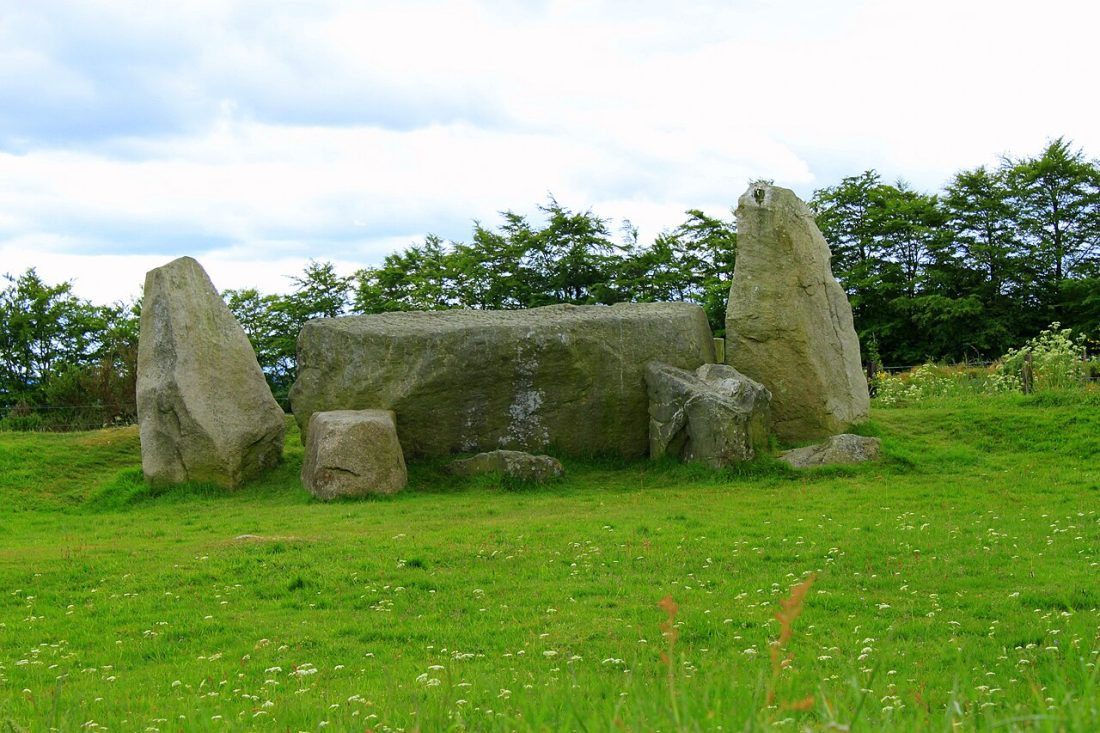
Near Inverurie, this is one of Scotland’s best-preserved recumbent circles. Historic Environment Scotland notes that the recumbent stone is red granite quarried from near Bennachie, while the two flanking stones are grey granite.
It is open all year, and you can visit at no charge.
Good to know: Historic Environment Scotland looks after both of the circles in this section.
23. Tomnaverie Stone Circle
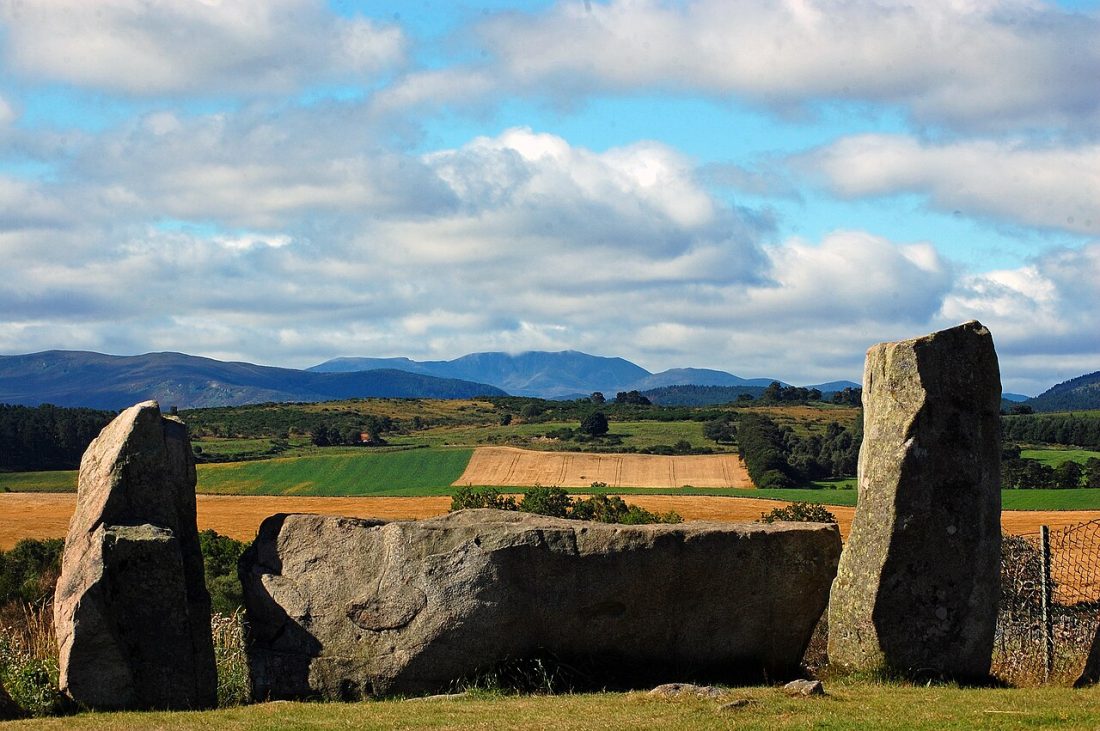
Tomnaverie, a historic site on a small rise just south of Tarland, surrounds a burial cairn built about 4,500 years ago. Historic Environment Scotland says the site seems to have been in use as late as the 1600s.
It is open all year at no charge, with a small parking area nearby and a short trail up to the stones.
Good to know: a waymarked trail from Tarland visits the circle and returns through Drummy Woods.
Distilleries and a Brewery
Aberdeenshire is not Speyside, but its whisky history goes back to the 1790s. If you plan to taste, arrange a designated driver.
24. Fettercairn Distillery
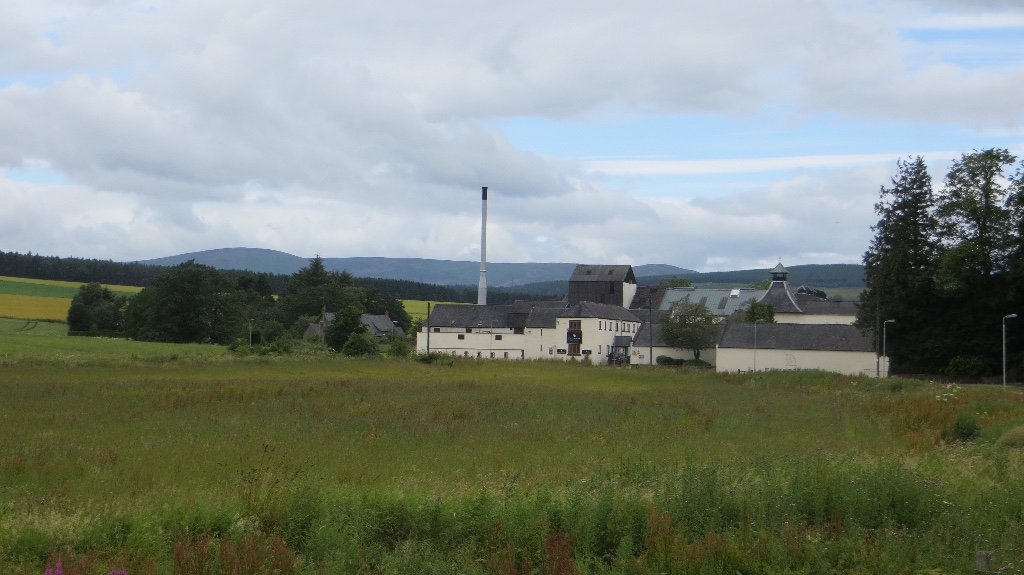
Fettercairn has been making whisky since 1824 in the village of the same name, in the south of the county. The standard Fettercairn Tour costs £20 per person with three 15 ml drams, and children aged 8–18 can join for £7.50. The five-dram Imagination Tour costs £50.
The shop and guided visits run Wednesday to Saturday, 10am–4.30pm. It is closed for the festive break from 20 December 2026 and reopens on 6 January 2027. Walk-in places are limited, so book. More in our Fettercairn Distillery guide.
Good to know: the Gauger’s Tour lets you fill and label your own bottle from a single cask.
25. Glen Garioch Distillery
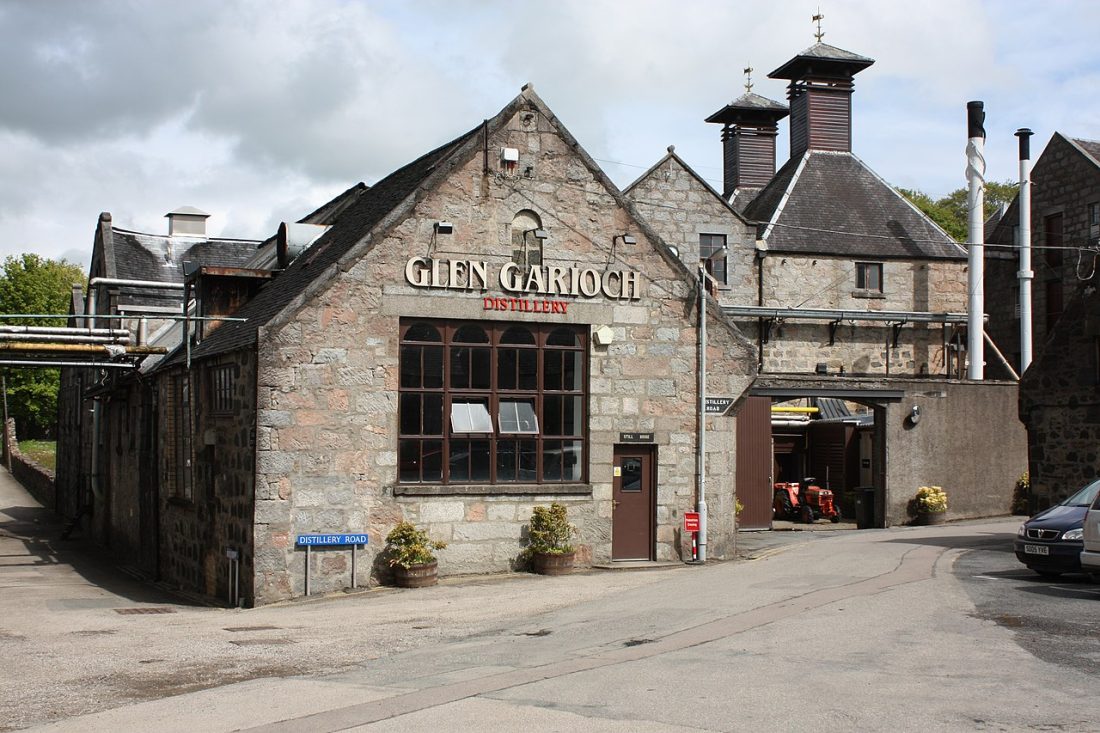
Glen Garioch (pronounced “Geery”) has been making whisky in the market town of Oldmeldrum since 1797. It describes itself as one of the oldest operating distilleries in Scotland.
The shop opens daily all year, except over Christmas and New Year; from 31 August to 24 December the hours are 10am–4pm. Visits keep running during the silent season, when production stops for maintenance. Booking is recommended. See our Glen Garioch guide.
Good to know: it is closed on 25–26 December and 1–2 January.
26. Glenglassaugh Distillery
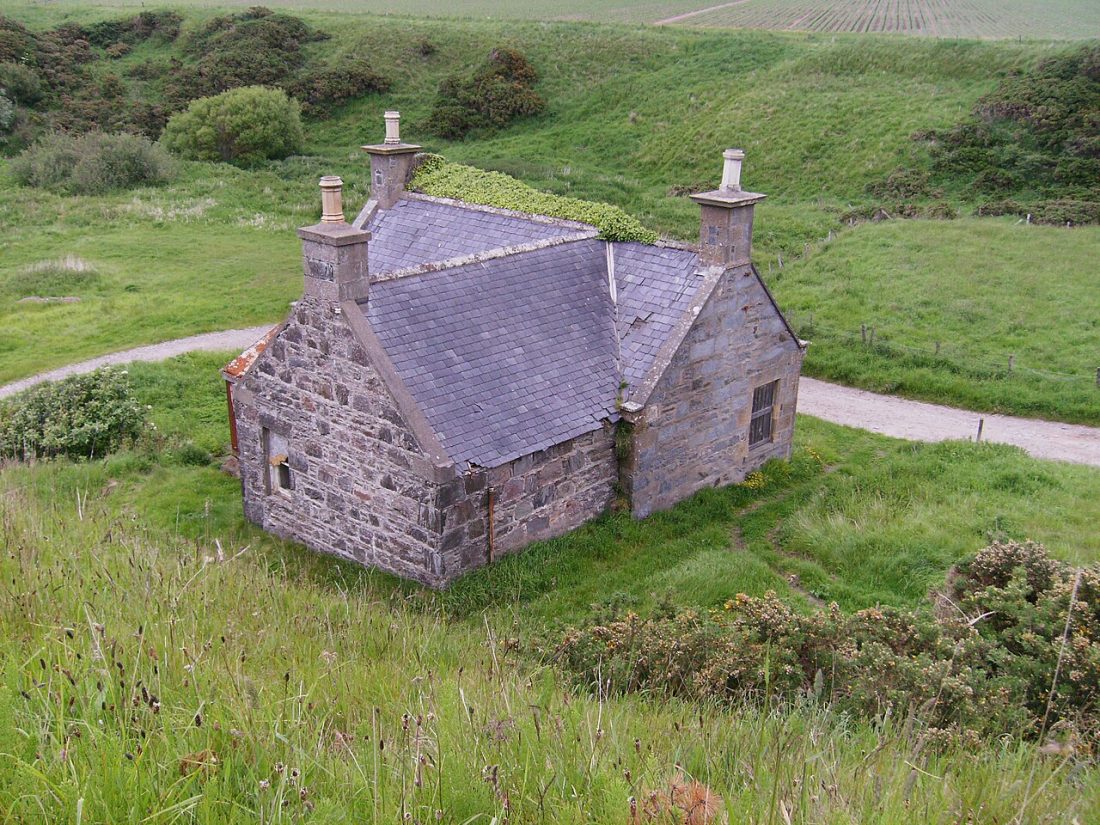
Glenglassaugh stands above Sandend Bay, about 3 km west of Portsoy, and the brand builds its coastal whisky around that seaside setting. Visits are strictly by private appointment. The team arranges distillery visits and tastings to suit each group, and also runs occasional dining events.
You cannot just turn up, so get in touch well before your trip. More in our Glenglassaugh guide.
Good to know: Sandend beach is right below it, so it pairs well with a coastal walk.
27. BrewDog DogTap Ellon
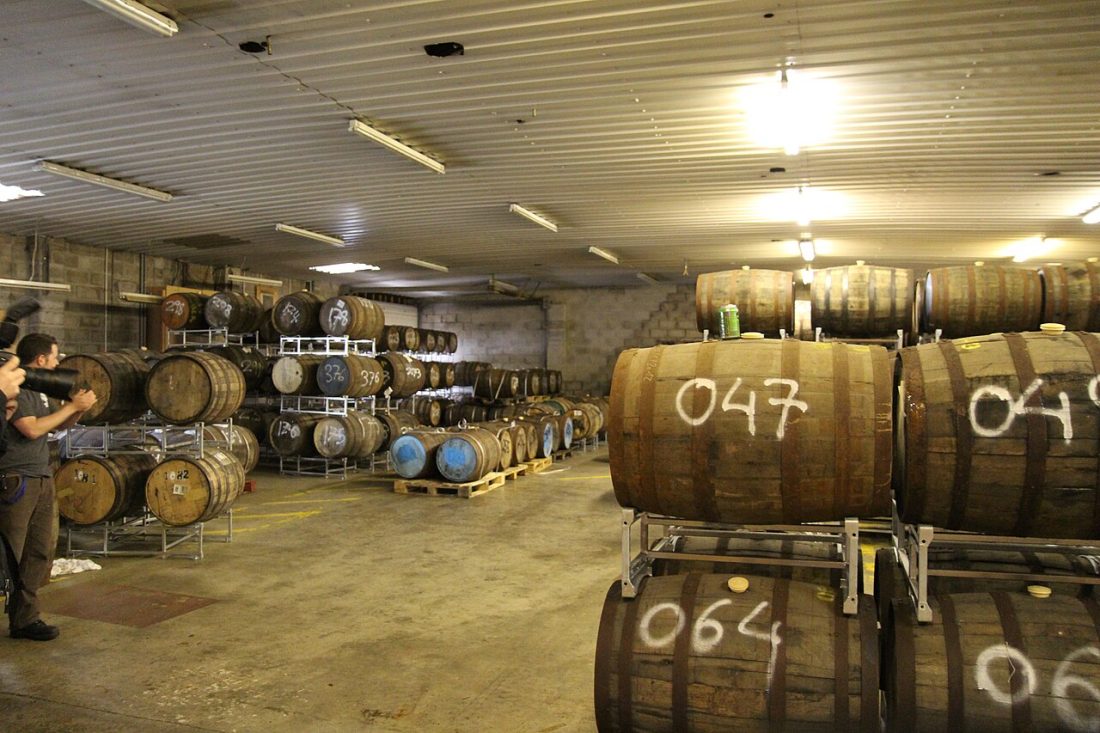
BrewDog’s brewery and DogTap bar are in Ellon, just off the A90 north of Aberdeen. The 1.5-hour Brewery Tour covers the brewhouse, a beer museum and a look into the head office, with tasters along the way. Prices start from £20 per person.
On Mondays the bar is open from 12pm to 10pm; check other days on the BrewDog website. The visit involves about 40 mins on foot, including five flights of stairs, so it may not suit people with limited mobility. See our DogTap Ellon guide.
Good to know: the bar also has a children’s play park.
Over the Border: The Moray Coast
These three are in Moray, not Aberdeenshire, but they sit at the western end of the same coastal road (the A98 and A96), and they combine easily with Portsoy and Cullen.
28. Bow Fiddle Rock
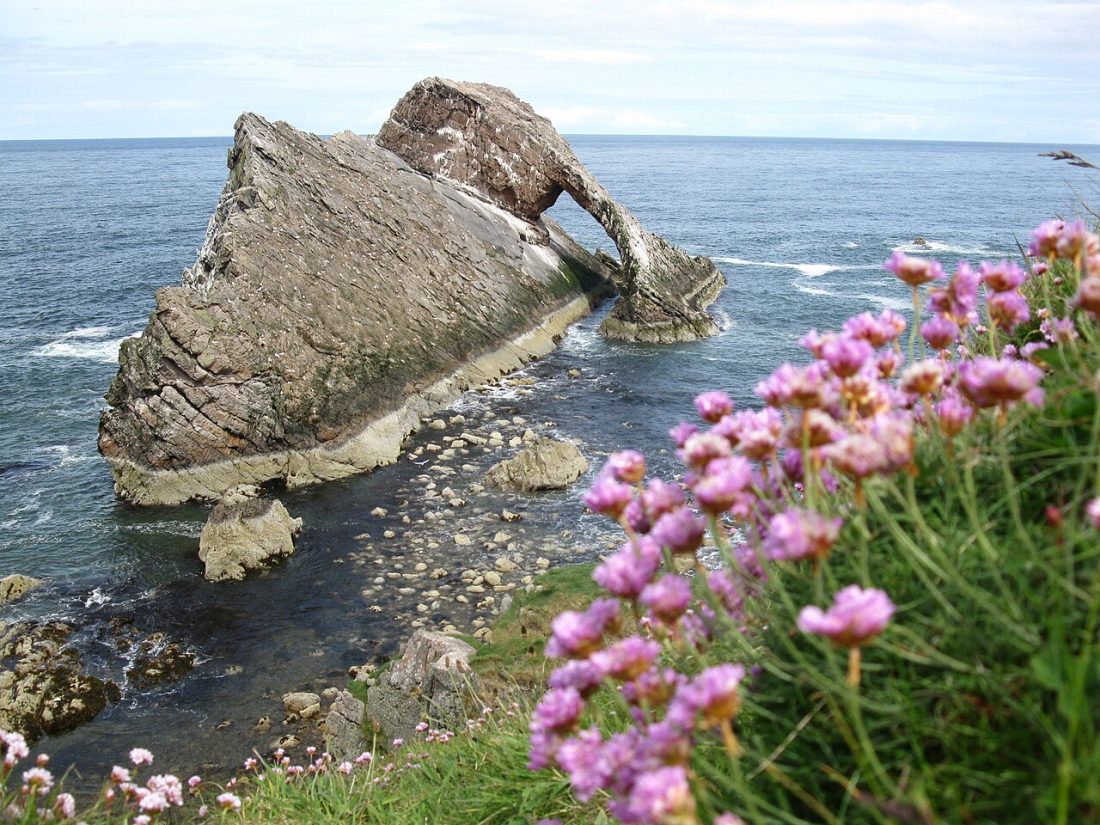
Bow Fiddle Rock is a natural sea arch on the coastal path just off Portknockie, named for its resemblance to a fiddle bow. From the end of the shore road in Portknockie, parking and a short path lead to the viewpoint.
It costs nothing to visit at any time. Our Bow Fiddle Rock guide has the details.
Good to know: sunrise and sunset light the arch well, but the edges here are unfenced.
29. Lossiemouth
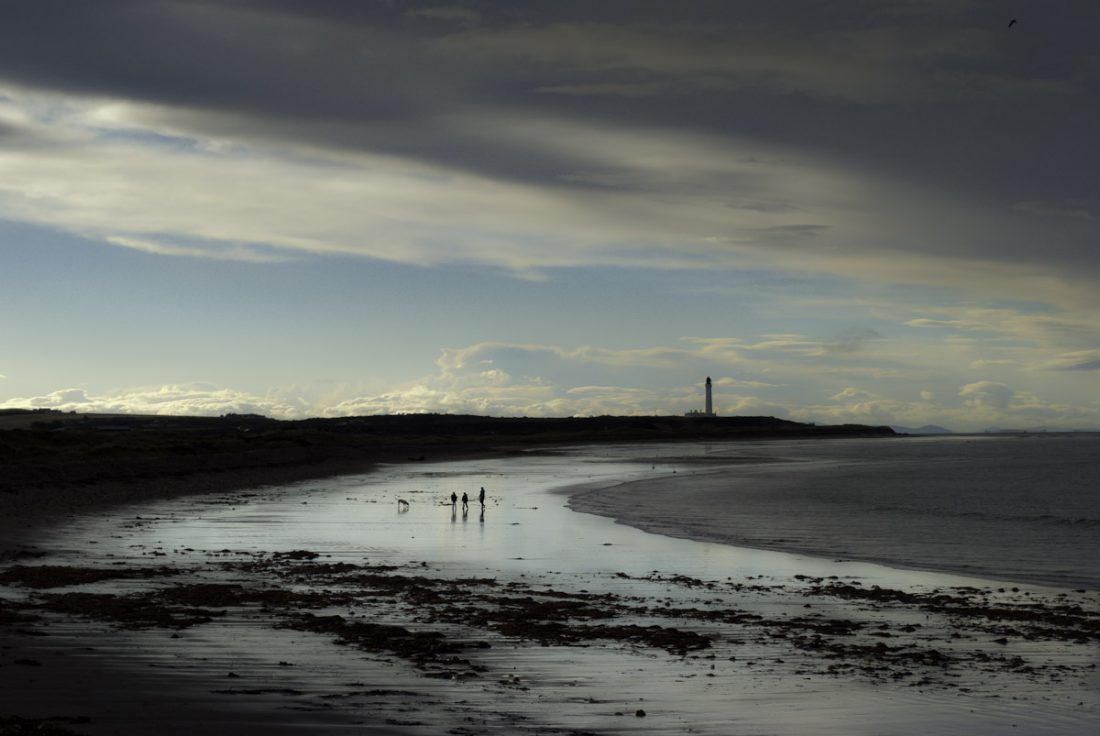
Lossiemouth has two long beaches. West Beach runs past Covesea Lighthouse, next to Moray Golf Course, and East Beach lies across the river mouth from the town. Low tide is the best time to explore the flat sands.
More in our Lossiemouth guide.
Good to know: check the current access arrangements for East Beach before you go.
30. Findhorn

Findhorn sits at the mouth of a tidal bay near Forres, on the coastal edge of Moray, with wildlife to look out for offshore. Its sandy beach is lined with colourful beach huts. Moray Speyside tourism says that, if you are lucky, you may see bottlenose dolphins offshore.
Our Findhorn guide covers the rest of the bay.
Good to know: check tide times before walking out across the bay.
More Ideas Nearby
- Braemar, with the Fife Arms and the Linn of Dee walk at the edge of the Cairngorms; our Cairngorms guide covers the rest of the park.
- The Braemar Gathering, held on the first Saturday of September; the next one is on Saturday 4 September 2027, and tickets go on sale on 1 February 2027.
- Aberdeen’s street art, and the rest of the city in our Aberdeen guide.
- Speyside distilleries further west, in our trips from Edinburgh roundup.
Planning Your Trip: Getting There and Around
- From Edinburgh: ScotRail trains from Edinburgh Waverley take about 2 hours 34 minutes to Aberdeen and 2 hours 18 minutes to Stonehaven. See our day trips by train for other easy rail trips.
- Without a car: Stonehaven is about 17 mins from Aberdeen by train, and Dunnottar is 2.5 km from the town. Stagecoach bus 201 runs from Union Square in Aberdeen along Deeside to Banchory, Ballater and Braemar. Most of the shoreline and the distilleries are much easier with your own wheels.
- Driving: the North East 250 is a circular route that starts and ends in Aberdeen, running through Aberdeenshire, Moray Speyside and the Cairngorms. Craigievar, Castle Fraser and Drum sit west of the city, so you can explore several castles in one day.
- When to go: the NTS castles open fully in summer. Birds nest at Fowlsheugh from May to early August. Forvie’s southern dunes close from April to August. Braemar Castle closes for the winter at the end of October.
- Where to stay: Aberdeen City Council will charge a 7% visitor levy on overnight stays in the city from 1 April 2027. Our Aberdeenshire itinerary sets out a day-by-day route.
Things to Do in Aberdeenshire: FAQs
What is the most famous attraction in Aberdeenshire?
Dunnottar Castle, the clifftop ruin 2.5 km south of Stonehaven, is the best-known sight to visit. It is open daily, and an adult ticket costs £13.50.
How many castles are there in Aberdeenshire?
VisitAberdeenshire lists 263 across the county, and the National Trust for Scotland says Aberdeenshire has more per acre than anywhere else in the UK. The VisitScotland Castle Trail picks out 19 of them.
What is the difference between Aberdeen and Aberdeenshire?
Aberdeen is the city and has its own council. Aberdeenshire is the surrounding council area, with Royal Deeside, the castles and most of the shoreline. Footdee, in this list, is in the city.
Can you explore Aberdeenshire without a car?
Yes, for some places. Trains reach Stonehaven for Dunnottar, and bus 201 runs along Deeside to Banchory, Ballater and Braemar. Loch Muick has no public transport to the start, and the harbours and most distilleries are far easier to reach by road.
What is the best time to visit Aberdeenshire?
Summer is best for castle interiors, which mostly open on seasonal timetables, and for nesting birds at Fowlsheugh (May to early August). September brings the Braemar Gathering. Grounds, harbours and beaches are open all year.
Which places in Aberdeenshire cost nothing to visit?
The stone circles at Tomnaverie and Easter Aquhorthies, Fowlsheugh, the Bullers of Buchan, Slains Castle, Forvie, the harbour villages and the beaches have no entry charge, although some parking costs a fee. Balmoral’s grounds also have no entry charge during its autumn opening.
Are Bow Fiddle Rock, Lossiemouth and Findhorn in Aberdeenshire?
No. All three are in Moray, just west of the Aberdeenshire boundary, but they are easy to visit on the same trip. We include them because they are on the same shore road as Portsoy and Cullen.