
The North Coast 500 is Scotland’s great road trip: a 516-mile loop that starts and ends in Inverness and traces the wild northern Highlands, taking in hairpin mountain passes, white-sand beaches, fairytale castles, ancient peaks and some of the emptiest, most beautiful coastline in Britain. Launched in 2015, it has become one of the most famous driving routes in the world, and for good reason.
This guide breaks the route into its best individual stops, grouped by the west, north and east coasts you’ll travel in a clockwise loop. Use the quick links to jump to a section, browse the cards for every major stop, or check the comparison table to plan how many days you’ll need. Each stop links to its own detailed page with tips, photos and practical advice.
West Coast: Inverness to Assynt
Leaving Inverness clockwise, the west coast is the most jaw-dropping stretch: the Bealach na Bà, the Torridon and Assynt mountains, and a string of white beaches most travellers have never heard of.

Inverness
CityThe Highland capital and traditional start and finish of the loop, with a castle, a river, Loch Ness and Culloden battlefield on the doorstep.

Bealach na Bà
Mountain passBritain’s most dramatic mountain road, a hairpin climb to 626m with Alpine-style switchbacks and enormous views over to Skye.

Applecross
Village + innA remote village reached over the Bealach na Bà, with a celebrated waterside inn serving seafood and views across to Raasay and Skye.

Shieldaig
VillageA picture-perfect single-street village of whitewashed cottages facing a pine-covered island, one of the prettiest stops on the west coast.
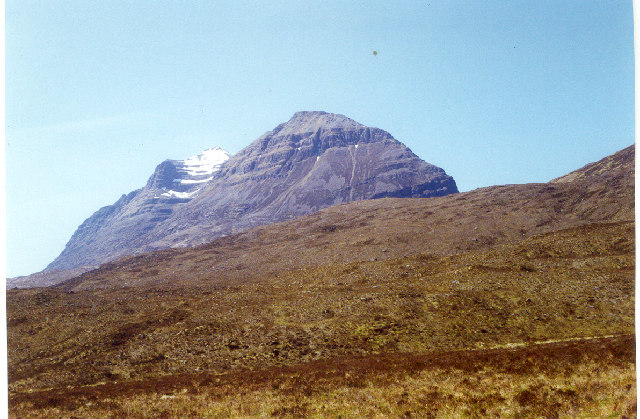
Torridon Hills
MountainsSome of the oldest and most spectacular mountains in Britain, towering over Glen Torridon with world-class hillwalking and roadside grandeur.
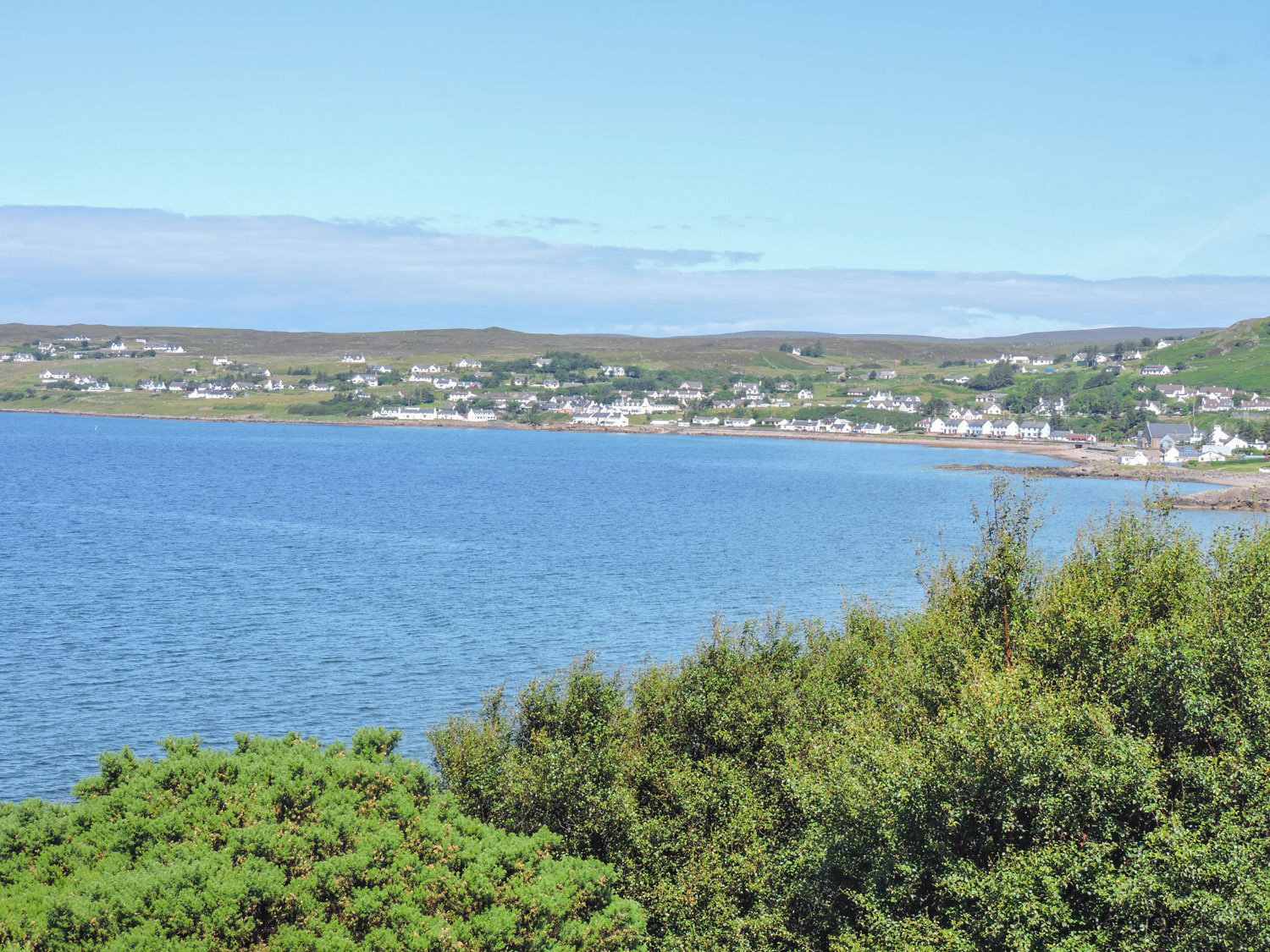
Gairloch
Village + beachesA scattered crofting village with sandy beaches, wildlife-watching boat trips, and the subtropical Inverewe Garden just up the coast.

Mellon Udrigle Beach
BeachA hidden white-sand bay down a dead-end road, with clear water and a view of distant mountains that feels like a private discovery.

Ullapool
Ferry townThe liveliest town on the west coast, a ferry port with harbour pubs, live music and the miniature mountain of Stac Pollaidh nearby.
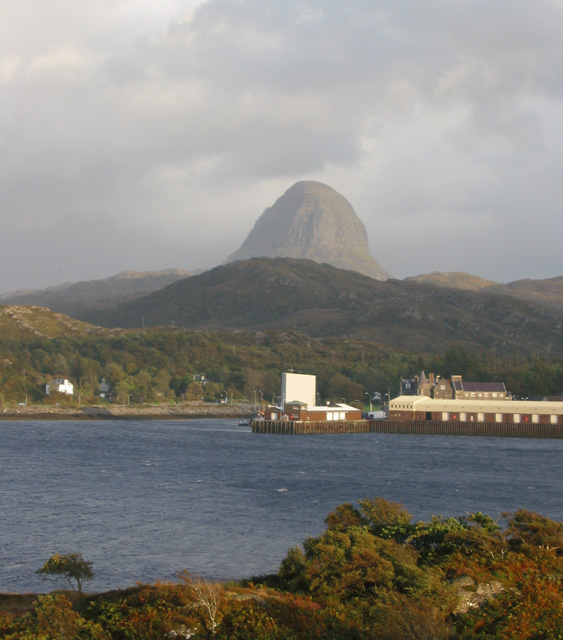
Lochinver
Fishing villageA fishing village in wild Assynt, famous for the Lochinver Larder pies and for the sugarloaf peak of Suilven that towers behind it.

Ardvreck Castle
Castle ruinA ruined 15th-century tower on a spit in Loch Assynt, backed by bare mountains, and one of the most photographed stops on the route.

Achmelvich Bay
BeachA blindingly white beach with turquoise water near Lochinver, regularly rated one of the best beaches in the UK.
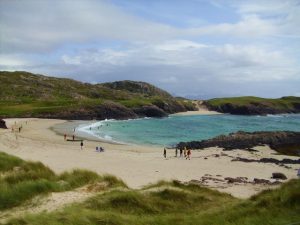
Clachtoll Beach
Beach + brochA quieter white-sand bay with a sought-after beachside campsite and a restored Iron Age broch a short walk along the shore.
North Coast: Durness to John o’ Groats
The wild top edge of the mainland, from the caves and beaches of Durness across to the surf town of Thurso and the famous corner at John o’ Groats.

Durness
VillageThe far north-west corner, with the vast Smoo Cave, the Balnakeil craft village, superb beaches and Scotland’s best hot chocolate.

Thurso
TownThe largest town on the north coast, a cold-water surf hub with a ferry to Orkney and the Castle of Mey a short drive away.

John o’ Groats
LandmarkThe tick-list corner and famous signpost, with the dramatic Duncansby Stacks a short drive away for the best coastal walk in the north.
East Coast: Dunrobin to the Black Isle
The gentler run back to Inverness, past a fairytale castle and the Georgian charm and dolphins of the Black Isle.

Dunrobin Castle
CastleThe grandest building on the route, a 189-room fairytale castle with Versailles-inspired gardens and daily falconry displays.

Cromarty
Georgian townA beautifully preserved Georgian town on the Black Isle, birthplace of geologist Hugh Miller and a base for dolphin watching.

Chanonry Point
Wildlife spotOne of the best places in Britain to see bottlenose dolphins from land, an easy detour near the end of a clockwise loop.
North Coast 500 Stops at a Glance
| Stop | Coast | Type | Best for |
|---|---|---|---|
| Inverness | West | City | Base and start |
| Bealach na Bà | West | Mountain pass | The big drive |
| Applecross | West | Village + inn | Seafood and views |
| Shieldaig | West | Village | Prettiest village |
| Torridon Hills | West | Mountains | Mountain scenery |
| Gairloch | West | Village + beaches | Beaches and wildlife |
| Mellon Udrigle Beach | West | Beach | Hidden beach |
| Ullapool | West | Ferry town | A night out |
| Lochinver | West | Fishing village | Pies and Suilven |
| Ardvreck Castle | West | Castle ruin | Photo stop |
| Achmelvich Bay | West | Beach | Best beach |
| Clachtoll Beach | West | Beach + broch | Beach camping |
| Durness | North | Village | Caves and beaches |
| Thurso | North | Town | Surf and Orkney |
| John o’ Groats | North | Landmark | The signpost |
| Dunrobin Castle | East | Castle | Castle and gardens |
| Cromarty | East | Georgian town | Georgian charm |
| Chanonry Point | East | Wildlife spot | Dolphins |
How to Plan Your North Coast 500
The full loop is 516 miles (about 830 km), and while you could technically drive it in two or three days, that would be a mistake. The roads are largely single-track with passing places, the driving is slow, and the whole point is to stop often. Most people take five to seven days, and a week lets you enjoy it without rushing.
Most travellers drive the route clockwise, heading west from Inverness first so that they tackle the spectacular but nerve-testing Bealach na Bà early and keep the sea on their left. Anti-clockwise works fine too and can mean quieter roads; the scenery is just as good either way. Whichever direction you choose, book accommodation well ahead in summer, as beds in the far north are limited and fill fast.
A regular car is perfectly adequate for the whole route, and in some ways easier than a large campervan on the tightest single-track sections. Whatever you drive, learn the passing-place etiquette before you go: pull in to let faster traffic overtake, and never park in a passing place. Finish back in Inverness, where the loop began, and you’ll have seen one of the greatest coastlines in Europe.
North Coast 500 FAQ
How long is the North Coast 500?
The full loop is 516 miles, or about 830 kilometres, starting and finishing in Inverness. Because the roads are mostly single-track and the driving is slow, it takes far longer than the distance suggests.
How many days do you need for the NC500?
Most people take five to seven days. You can drive it faster, but the roads are slow and the joy is in stopping often, so a week is ideal for seeing the main stops without rushing.
Should you drive the NC500 clockwise or anti-clockwise?
Most travellers go clockwise, heading west from Inverness first to tackle the Bealach na Bà early and keep the sea on their left. Anti-clockwise is just as scenic and can mean quieter roads.
Is the North Coast 500 signposted?
Yes, the route is waymarked with distinctive NC500 signs, but the roads still twist and branch, so a good map or sat-nav and some forward planning are still essential, especially in the remote north-west.
Can you drive the NC500 in a normal car or do you need a campervan?
A regular car is perfectly fine and is often easier than a large campervan on the tightest single-track sections. Campervans are popular but require care and good passing-place etiquette.