
The North Coast 500 is a 516-mile circuit of the northern Highlands of Scotland that begins and ends in Inverness. North Coast 500 Ltd launched it in 2015 to link the coastal main roads of Wester Ross, Sutherland, Caithness, Easter Ross and the Black Isle into one touring route. Much of the route is single-track, so it takes far longer than a sat nav suggests.
This NC500 itinerary splits the trip into seven legs with realistic distances, the places worth getting out of the car for, and current opening times. It runs from Inverness up the Atlantic side, along the top of the mainland and back down the North Sea coast. Each leg links to our detailed guides, and the planning sections cover when to go, driving rules, fuel, charging points and accommodation.
Updated 17 November 2026. Opening times, prices and sailing details come from official websites this month. Many attractions close for winter, so confirm before you travel.
The Route at a Glance, Leg by Leg
| Leg | From – to | Approx. distance | Overnight | Highlights |
|---|---|---|---|---|
| 1 | Inverness – Applecross | 80 miles | Applecross | Rogie Falls, Bealach na Bà |
| 2 | Applecross – Gairloch | 57 miles | Gairloch | Shieldaig, Glen Torridon, Loch Maree |
| 3 | Gairloch – Ullapool | 56 miles | Ullapool | Inverewe Garden, Mellon Udrigle, Corrieshalloch Gorge |
| 4 | Ullapool – Scourie | 76 miles | Scourie or Kylesku | Knockan Crag, Ardvreck Castle, Lochinver, Achmelvich |
| 5 | Scourie – Tongue | 55 miles | Tongue or Durness | Smoo Cave, Balnakeil, Loch Eriboll |
| 6 | Tongue – Wick | 82 miles | Wick or John o’ Groats | Thurso, Dunnet Head, Castle of Mey, Duncansby Stacks |
| 7 | Wick – Inverness | 107 miles | Inverness | Dunrobin Castle, Dornoch, Cromarty, Chanonry Point |
Distances are our own calculations between the overnight bases, including the listed detours; the whole route comes to roughly the official 516 miles. Allow far more driving time than a sat nav estimate on narrow sections.
Day 1: Inverness to Applecross over the Bealach na Bà
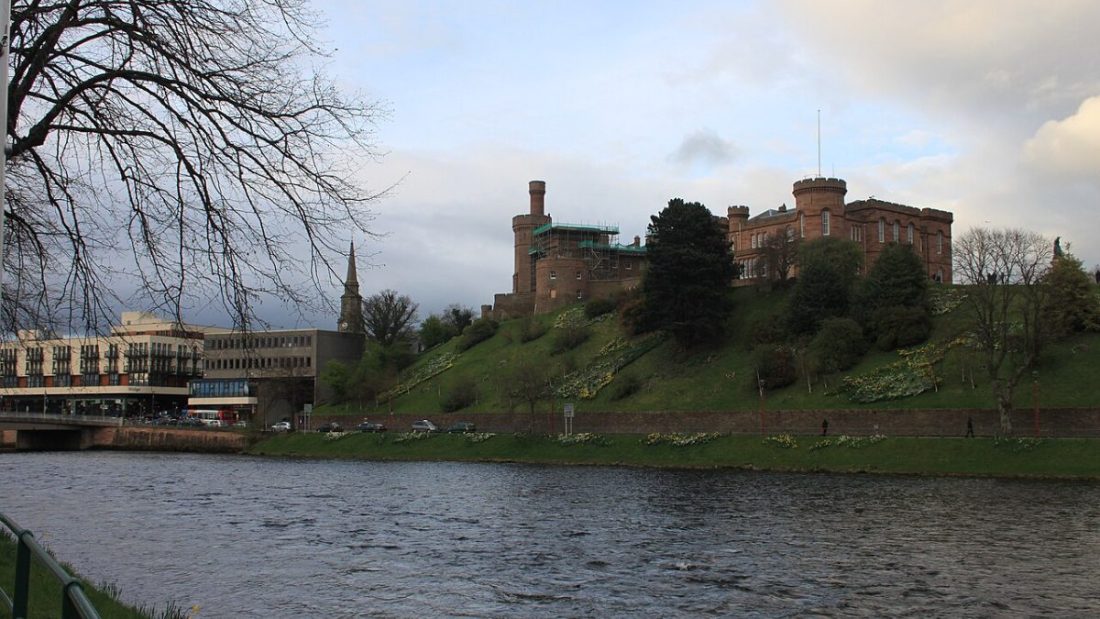
Spend the morning in Inverness. Inverness Castle, above the River Ness, reopened in February 2026 as the Inverness Castle Experience after a multi-million redevelopment. North Coast 500 Ltd notes that the castle is no longer the official starting point, so simply set off from the city centre.
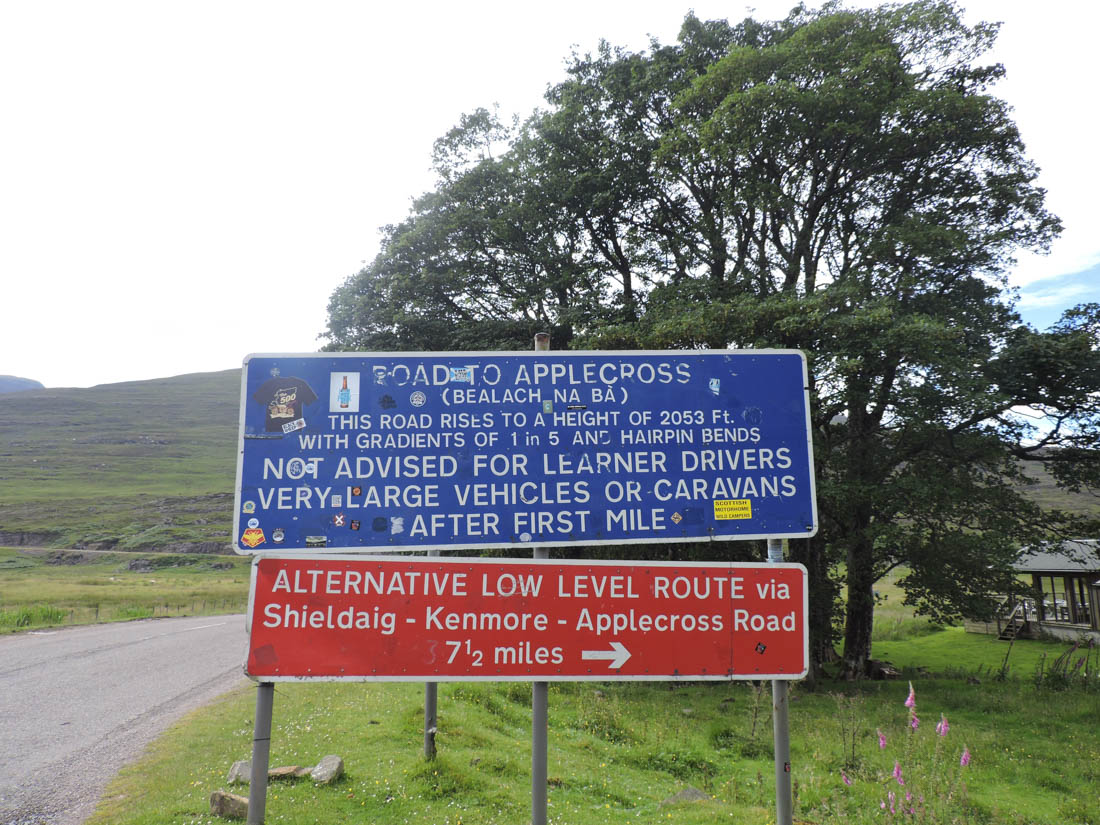
Head out on the A835 and stop at Rogie Falls near Contin, where a short forest walk leads to the river. From Garve the A832 and A890 run to Lochcarron, then a signed turn climbs the Bealach na Bà, the Pass of the Cattle. It rises to 626 m with gradients close to 20% and tight hairpins near the top, and it is not suitable for caravans, large motorhomes or learner drivers.
From the summit car park the views stretch to Raasay and Skye on a clear day. Descend to Applecross; the Applecross Inn serves local seafood and is closed all day on Tuesdays, reopening at 3pm on Wednesdays, so book a table and a room early in summer. If the climb is closed or you would rather avoid it, take the longer coast road round from Shieldaig.
Tip: fill up in Inverness or Lochcarron, as there are few filling stations on the peninsula.

Inverness
CityThe capital of the Highlands, with Inverness Castle, the River Ness and Culloden nearby.

Bealach na Bà
Mountain passA narrow climb to 626 m with hairpins near the top and views to Skye.

Applecross
VillageA remote community facing Raasay and Skye, with the Applecross Inn on the shore.
Day 2: Applecross to Gairloch via Shieldaig and Torridon
Follow the coast road round the peninsula to Shieldaig, a row of whitewashed houses facing a pine-covered island. The island belongs to the National Trust for Scotland, and white-tailed sea eagles have nested on it in recent years, so bring binoculars to the shore.
The A896 then enters Glen Torridon, where Liathach and Beinn Eighe rise steeply from the valley floor, with roadside views of both. The National Trust for Scotland countryside centre at the foot of the glen is closed for a review, but the low-level paths around Torridon remain open. At Kinlochewe, the Beinn Eighe visitor centre opens April to October, 10am to 5pm, with free entry; Beinn Eighe became the UK’s first national nature reserve in 1951, and three trails start here.
The A832 runs beside Loch Maree to Gairloch, with sandy bays, a heritage museum and boat trips. The glass-bottomed boat sails daily from April to September on 90-minute trips, at £25 an adult and £20 a child.
Tip: Gairloch has hotels, a hostel and a campsite, which makes it an easier base on this part of the route than the smaller settlements around Torridon.

Shieldaig
Lochside housesWhitewashed houses facing a pine-covered island where white-tailed eagles have nested.
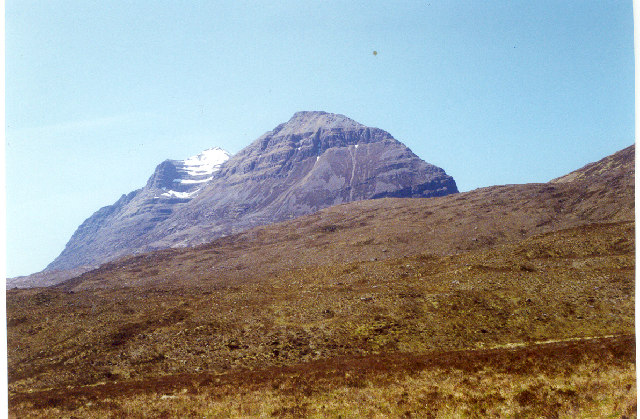
Torridon Hills
Glen and peaksLiathach and Beinn Eighe rise straight from the glen floor beside the A896.
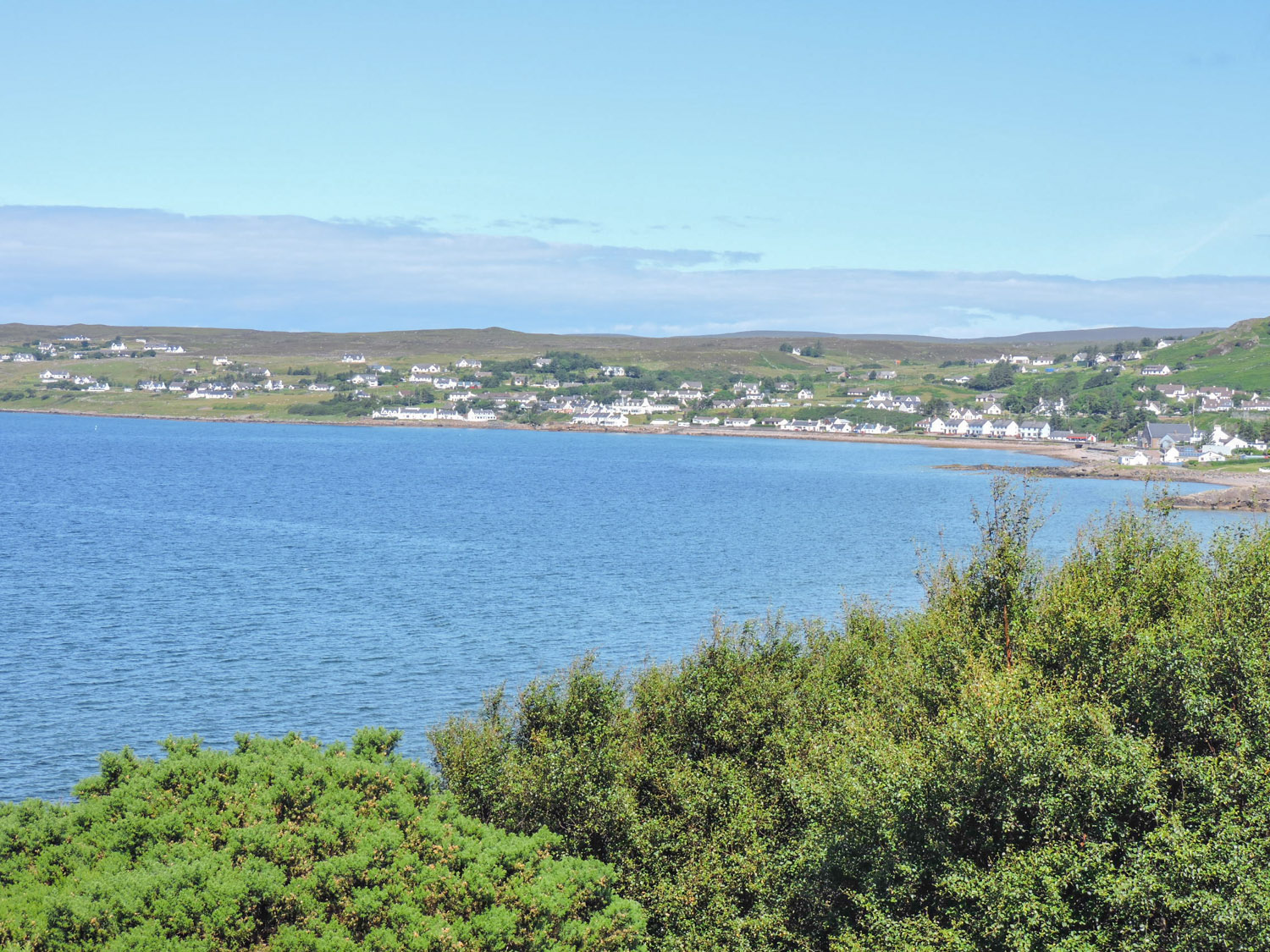
Gairloch
Bays and harbourSandy bays, a heritage museum and boat trips, with Inverewe Garden close by.
Day 3: Gairloch to Ullapool via Inverewe and Corrieshalloch
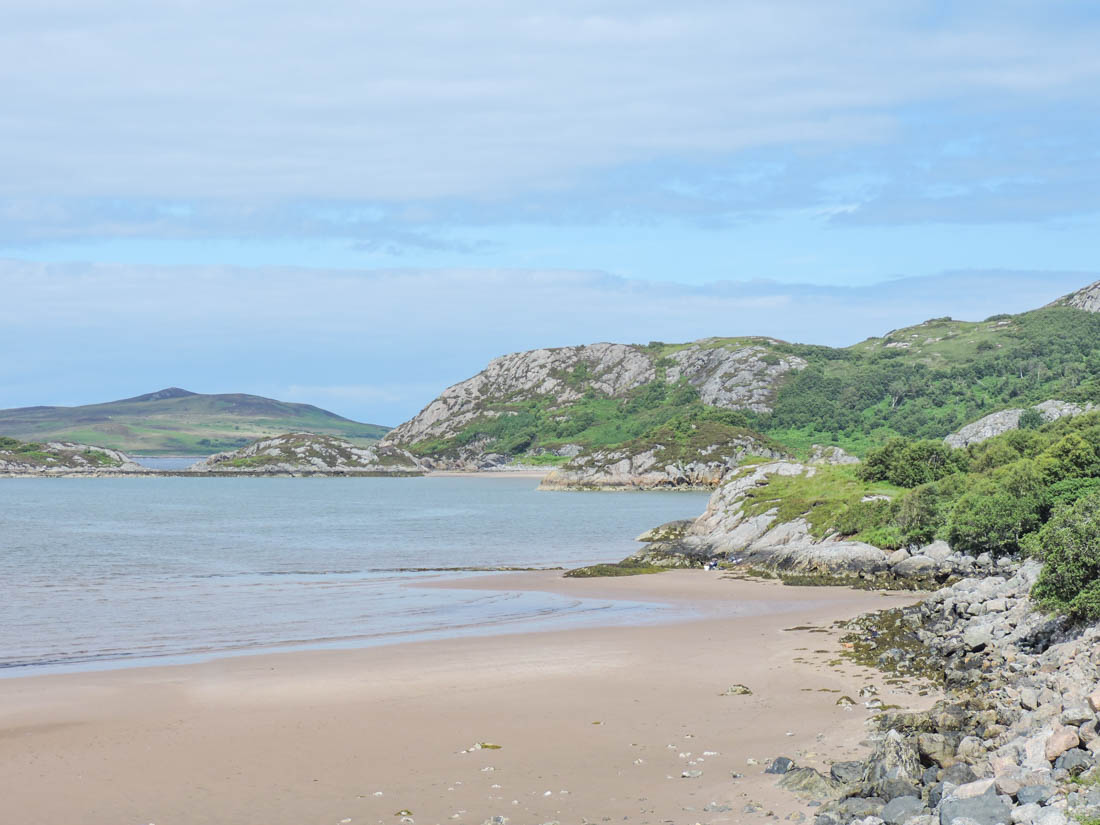
Beyond Gairloch, Inverewe Garden at Poolewe is cared for by the National Trust for Scotland. Adult entry is £16, and the garden and visitor centre close from 1 November to the end of February, although the wider estate stays open. Allow two hours in season.
A narrow spur off the A832 near Laide leads to Mellon Udrigle, a sheltered beach of pale sand looking across to the hills of Coigach and Assynt. There are no facilities, so take food and water and leave nothing behind. Back on the main road, Gruinard Bay has several laybys with views over the water.
Before Ullapool, stop at Corrieshalloch Gorge, where an 1874 suspension bridge built for the engineer Sir John Fowler spans the Falls of Measach. Entry is free; the National Trust for Scotland charges £5 to park a car and £10 for a motorhome, and members park free. Ullapool, on Loch Broom, is the largest settlement in Wester Ross and a good place to spend the evening by the harbour; CalMac sailings to Stornoway on Lewis take 2 hours 40 minutes.
Tip: Ullapool is the last sizeable shopping town on the route until Thurso, so stock up on food and cash here.

Mellon Udrigle
BeachA sheltered beach at the end of a narrow spur, with no facilities.

Ullapool
Harbour townThe largest settlement in Wester Ross, with CalMac sailings to Lewis.
Day 4: Ullapool to Scourie through Assynt
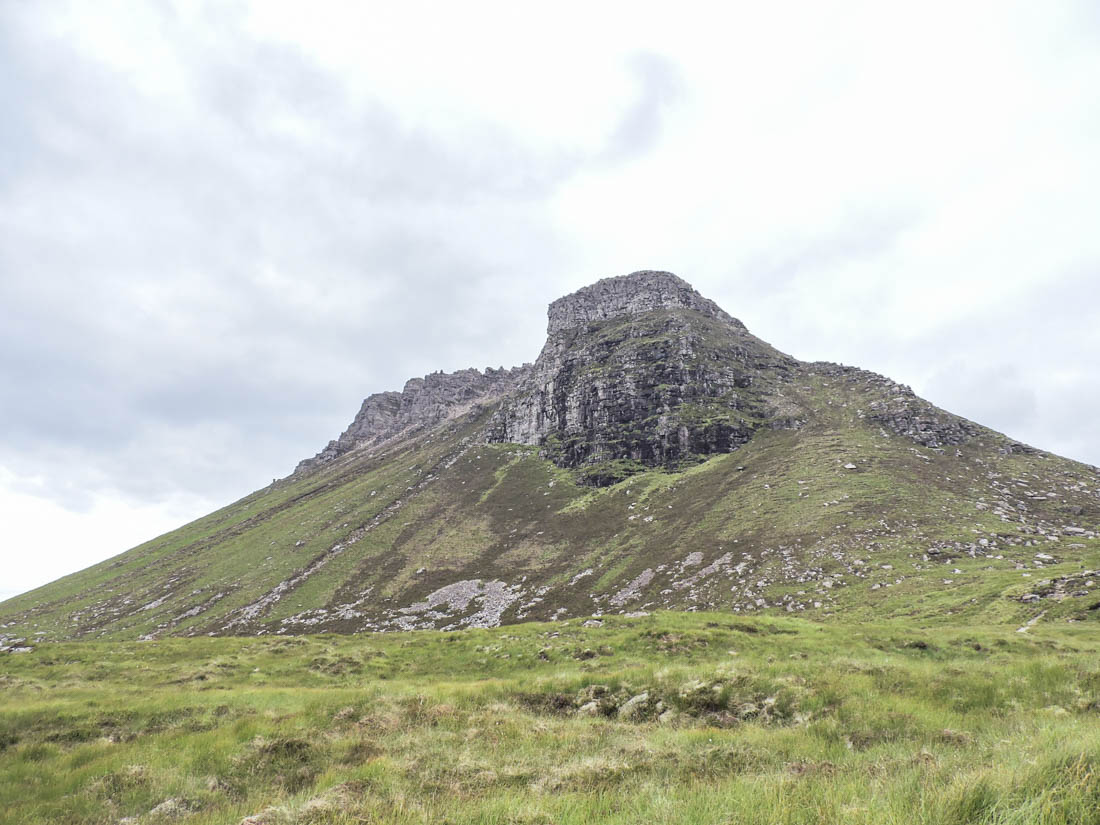
Thirteen miles north of Ullapool, Knockan Crag National Nature Reserve has the Rock Room, an unstaffed open-air centre explaining why the North West Highlands Geopark matters to the geology of Scotland. Hill walkers can climb Stac Pollaidh nearby; Walkhighlands puts the circuit at 4.5 km and two to four hours, with a parking charge.
Turn onto the A837 along Loch Assynt to stop at Ardvreck Castle, the ruined tower of the Macleods of Assynt where the royalist Marquis of Montrose was held after his capture in 1650. The walls are unstable, so look from outside. Lochinver comes next, with Suilven rising behind it; the Lochinver Larder sells its pies Tuesday to Sunday, to eat in or take away.
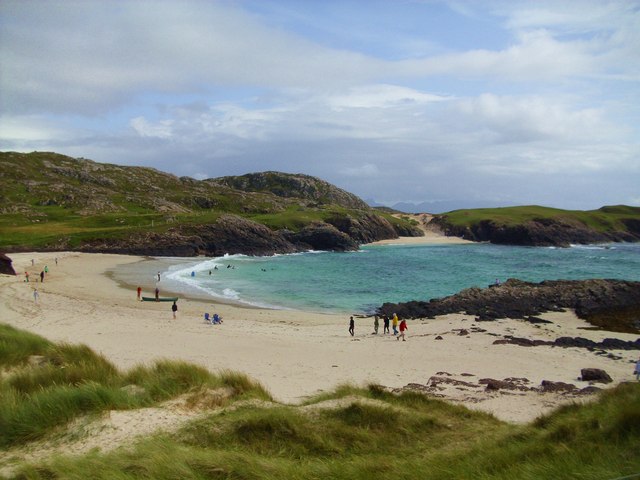
Leave Lochinver on the narrow B869 coast road. Achmelvich has a white beach with the Shore Caravan Site beside it and a youth hostel open March to September. Clachtoll Broch, free to visit near Clachtoll Beach, is an Iron Age tower about 2,000 years old that the community group Historic Assynt has conserved and excavated. The B869 then climbs through Drumbeg to Kylesku Bridge, opened by the Queen on 8 August 1984, and the A894 continues to Scourie. Wailing Widow Falls, a 30-metre waterfall below Loch na Gainmhich, is a short walk from the A894 near Kylesku.
Tip: the B869 has steep gradients and blind summits; if you are towing, use the A837 and A894 instead.

Ardvreck Castle
Castle ruinThe ruined Macleod tower on Loch Assynt, free to see from the roadside.
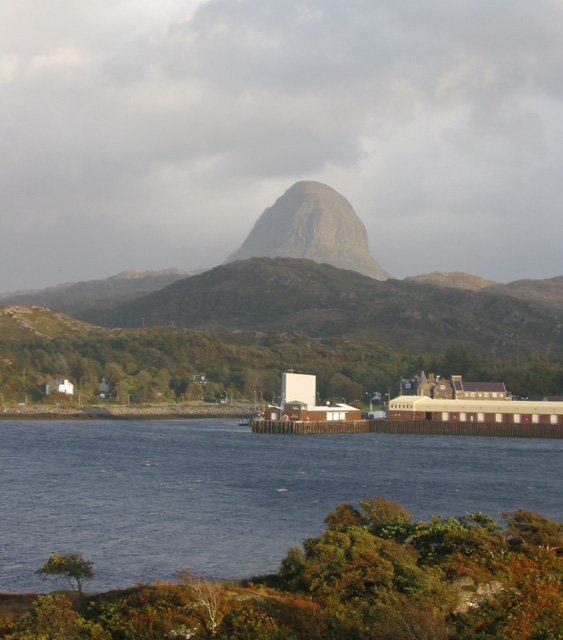
Lochinver
Fishing harbourA harbour below Suilven, known for the Lochinver Larder pies.

Achmelvich Bay
BeachClear water, a caravan site and a seasonal youth hostel.
Clachtoll Beach
Bay and brochA sandy beach with a campsite and an Iron Age broch nearby.
Day 5: Scourie to Tongue via Durness
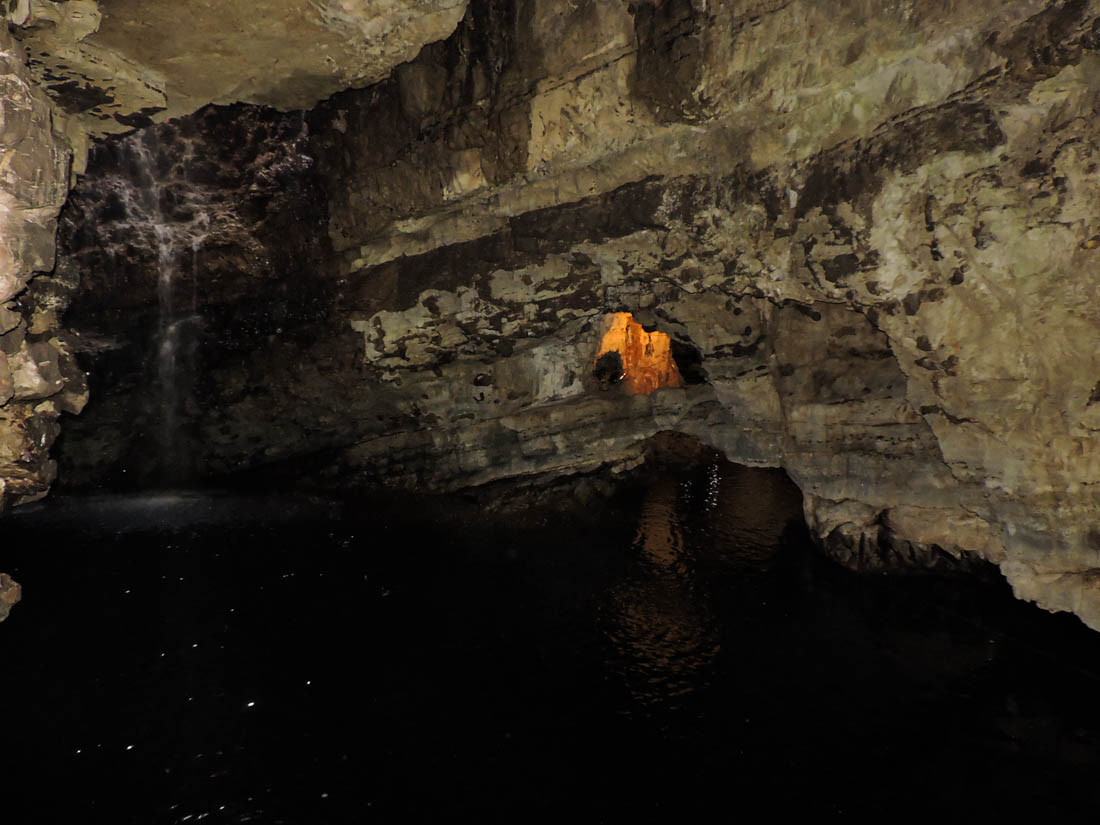
The route crosses open moorland on the A838 to Durness on the north-west corner of Scotland. Smoo Cave is the main sight: the large outer chamber is open at no charge all year, and guided trips into the inner chamber run daily from 1 April to the end of October when water levels allow.
At Balnakeil Craft Village, Cocoa Mountain makes chocolate and hot drinks; its winter opening is Wednesday to Friday 10am to 4pm and weekends 9am to 5pm, closed on Monday and Tuesday. Balnakeil Bay, nearby, has a wide sweep of sand. Cape Wrath can only be reached by the foot-passenger boat across the Kyle of Durness, which runs from May to September when weather and tides allow.
Beyond Durness, the Ceannabeinne Township Trail is a short circuit, about 1 km, around a cleared crofting township above the bay, and the Golden Eagle Zip Line crosses the same bay when the wind allows. The A838 then circles Loch Eriboll to Tongue, where a walk climbs to the ruin of Castle Varrich above the Kyle of Tongue.
Tip: Sango Sands campsite in Durness fills early in summer, so book ahead or base yourself in Tongue.

Durness
VillageSmoo Cave, Balnakeil Craft Village and wide sandy bays.
Day 6: Tongue to Wick via Thurso and John o’ Groats

At Bettyhill, the volunteer-run Strathnaver Museum tells the story of the Highland Clearances in the area; check its seasonal opening before you go. Thurso is the largest town on the north coast of Scotland, with shops, cafés and Thurso East, a reef break known among experienced surfers. NorthLink sails from nearby Scrabster to Stromness in Orkney in 90 minutes.
Take the B855 to stop at Dunnet Head, the northernmost point of mainland Britain, with views to Orkney in clear conditions, then visit the Castle of Mey, the former Highland home of the Queen Mother. In 2026 it opened Wednesday to Sunday from 1 May to 30 September, with adult tickets at £18.30.
John o’ Groats has the signpost everyone photographs. The summer passenger service to Orkney is not running while the business is for sale, so cross from Gills Bay with Pentland Ferries or from Scrabster instead. Nearby, a clifftop walk from Duncansby Head lighthouse reaches the Duncansby Stacks in about 20 minutes each way. End in Wick, home of Old Pulteney, which offers distillery visits from £25 and opens Monday to Saturday 10am to 5pm from April to September; Castle Sinclair Girnigoe, a cliff-edge ruin north of the town, is free to visit, with donations welcome.
Tip: if you want to see Orkney, add a day trip here and catch the first sailing from Scrabster.

Thurso
TownThe largest town on the north coast, near Scrabster and its Orkney sailings.

John o’ Groats
LandmarkThe famous signpost, with the Duncansby Stacks nearby.
Day 7: Wick to Inverness via Dunrobin and the Black Isle
Heading down the east coast on the A99 and A9, stop at the Whaligoe Steps, a stone stairway down the cliffs to a natural harbour built in the late 1700s. At Helmsdale, Timespan has a free gallery, archive, garden and café. Near Golspie, Dunrobin Castle has 189 rooms and is the seat of the Earls and later Dukes of Sutherland. It opens from 1 April to 31 October; adult entry is £16, and falconry displays take place in the gardens at 11.30am and 2.30pm.
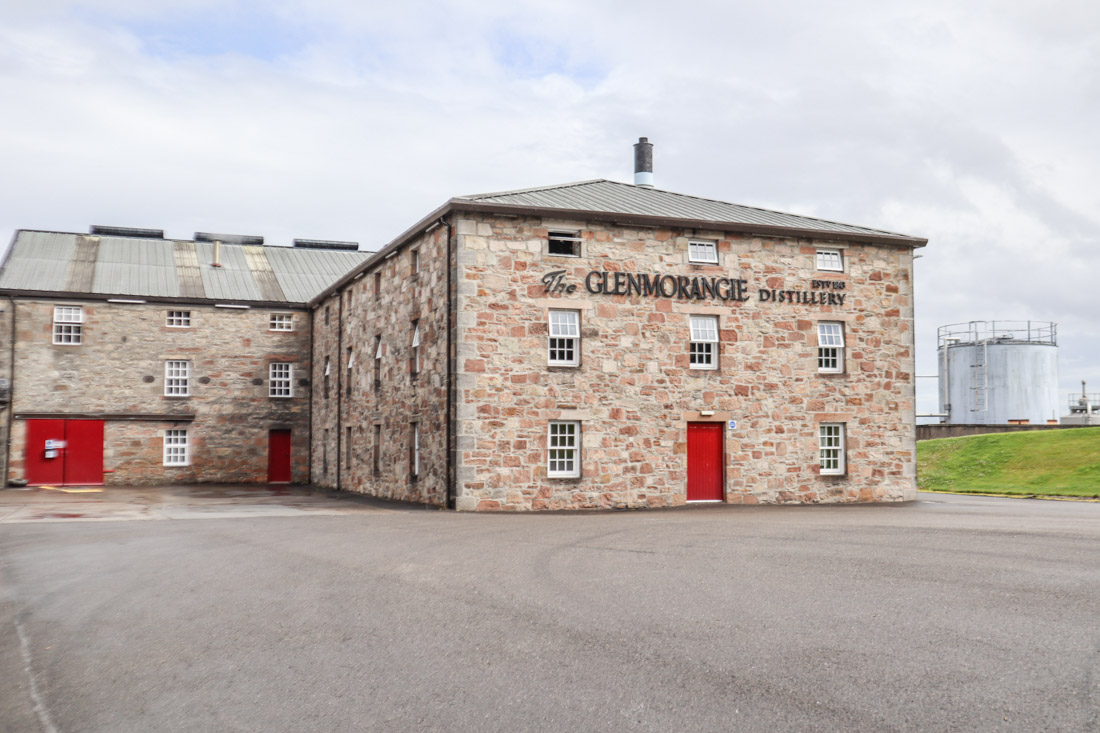
The visitor centre at Clynelish in Brora has closed, so plan whisky visits further south. Dornoch Cathedral was founded in 1224, and Glenmorangie at Tain opens its visitor centre 10am to 5pm on its listed opening days, with distillery visits bookable on its website.
Cross to the Black Isle to visit Cromarty, a town of Georgian merchants’ houses where Cromarty Courthouse Museum opens daily from June to August, 12 noon to 4pm, and Hugh Miller’s Birthplace Cottage belongs to the National Trust for Scotland. At Chanonry Point near Fortrose, bottlenose dolphins are most often seen on a rising tide, from about an hour after low tide. A walk from Rosemarkie up the Fairy Glen reaches two waterfalls before the road back to Inverness.
Tip: this is the longest leg of the route, so split it with a stay in Dornoch if you have time.

Dunrobin Castle
CastleA 189-room castle with formal gardens and falconry displays, open April to October.

Cromarty
Georgian townGeorgian streets, Hugh Miller’s Birthplace Cottage and a courthouse museum.

Chanonry Point
Shore viewpointA shingle spit on the Moray Firth, a well-known shore spot for watching marine life on a rising tide.
Shorter and Longer Versions of This Trip
- In 5 days: drive from Applecross to Ullapool in one go without Inverewe, then from Durness to Wick in another. You will see the highlights from the roadside but have little time for walks.
- In 10 days: add a stay in Torridon for a hill walk, a full extra stop in Assynt for Stac Pollaidh, a day trip to Orkney from Scrabster, and a night in Dornoch to split the last leg.
- Anti-clockwise: the same plan works in reverse. Starting up the A9 puts the gentler east coast first and leaves the Bealach na Bà for the end of the trip.
- From Edinburgh or Glasgow: allow time to reach Inverness first. Our 10-day Scotland road trip and one-week Scotland plan cover the routes north.
Best Time to Visit the NC500
May, June and September usually give long light evenings and fewer crowds than July and August. Opening calendars on the route shape the trip as much as the weather: Dunrobin Castle opens 1 April to 31 October, the Castle of Mey opened Wednesday to Sunday from 1 May to 30 September in 2026, Smoo Cave guided trips run April to October, and Inverewe Garden closes from November to February.
Midges are most active on still, damp summer evenings, especially on the west coast, so pack repellent. Winter in the Highlands brings short daylight, quieter roads and a chance of the northern lights on clear nights, but ice and snow can make the Bealach na Bà dangerous, and many cafés and guest houses close until spring. Pack layers at any time of year; our Scotland packing guide has a checklist.
Driving the NC500: Passing Places, Fuel and Charging
- Passing places: on narrow roads, pull into a passing place on your left, or wait opposite one on your right, to let oncoming traffic by, and let faster drivers overtake. Never park in a passing place, even for a photo.
- Vehicle size: a normal car is the easiest choice for the whole route. Large motorhomes and caravans should avoid the Bealach na Bà and the B869 past Drumbeg and keep to the main roads.
- Fuel: filling stations are far apart in the western Highlands, and opening hours vary. Top up whenever you pass one, especially in Ullapool, Lochinver, Durness and Thurso.
- EV charging: public chargers in the Highlands are listed on the ChargePlace Scotland map. Plan each charge in advance, because one broken or busy unit can leave a long gap.
- Livestock and red deer: sheep, cattle and deer wander onto unfenced roads across the Highlands, particularly at dusk. Slow down on blind bends and crests.
- Mobile signal: coverage drops out across Assynt and the far north, especially along the north coast, so download offline maps before leaving Inverness.
Where to Stay on the North Coast 500
Beds are limited in this part of the Highlands, and hotels and B&B rooms in places like Applecross, Durness and Tongue sell out months ahead for July and August. Book accommodation as soon as your dates are fixed, and use Inverness, Gairloch, Ullapool, Thurso and Wick as the easiest bases. For the first or last stay, see our guide to where to stay in Inverness. For cottages and self catering along the route, try a plain Airbnb search for the NC500.
Campsites on this itinerary include the Clachtoll Beach Campsite, the Shore Caravan Site at Achmelvich and Sango Sands in Durness; all get busy in summer. The Scottish Outdoor Access Code allows lightweight tent camping, but its access rights do not cover motor vehicles, so motorhomes and campervans should use sites or official stopovers.
The Highland Council is consulting on a visitor levy for overnight stays. No scheme has been approved, any levy would need an 18-month implementation period after a council decision, and VisitInvernessLochNess says it is unlikely to take effect before 2028.
Travelling Responsibly
Take all litter home, use public toilets in villages rather than laybys, and keep to marked paths at fragile coast sites such as Clachtoll Broch and the dunes behind the beaches. Buy fuel, food and souvenirs locally, and follow the Scottish Outdoor Access Code on farmland, especially at lambing time.
NC500 Stop Guides at a Glance
| Place | Leg | Type | Entry and opening (Nov 2026) |
|---|---|---|---|
| Inverness | 1 and 7 | City | Inverness Castle Experience reopened Feb 2026 |
| Bealach na Bà | 1 | Mountain pass | Open all year; avoid in ice or snow |
| Applecross | 1 | Village | Applecross Inn closed Tuesdays |
| Shieldaig | 2 | Lochside houses | No charge |
| Torridon Hills | 2 | Glen and peaks | NTS countryside centre closed for review |
| Gairloch | 2 | Bays and harbour | Glass-bottomed boat Apr–Sep, £25 adult |
| Mellon Udrigle | 3 | Beach | No facilities |
| Ullapool | 3 | Harbour town | CalMac sailings to Stornoway |
| Ardvreck Castle | 4 | Castle ruin | Free; look from outside |
| Lochinver | 4 | Fishing harbour | Lochinver Larder Tue–Sun |
| Achmelvich Bay | 4 | Beach | Youth hostel Mar–Sep |
| Clachtoll Beach | 4 | Bay and broch | Broch free; campsite needs booking |
| Durness | 5 | Village | Smoo Cave guided trips Apr–Oct |
| Thurso | 6 | Town | Scrabster to Stromness 90 min |
| John o’ Groats | 6 | Landmark | Passenger service to Orkney not running |
| Dunrobin Castle | 7 | Castle | 1 Apr–31 Oct, £16 adult |
| Cromarty | 7 | Georgian town | Courthouse Museum Jun–Aug |
| Chanonry Point | 7 | Shore viewpoint | Limited parking |
NTS = National Trust for Scotland. Prices are standard adult rates published by each operator; anything not published online should be confirmed when booking or visiting.
North Coast 500: FAQs
How long is the North Coast 500?
The official route is 516 miles (about 830 km), starting and ending in Inverness. Narrow roads on many stretches mean the driving time is much longer than the distance suggests.
How many days do you need for the NC500?
A week is a comfortable minimum for the main sights without very long legs. Five days is possible if you keep visits short; 10 days lets you add hill walks and a day trip to Orkney.
Should you drive the NC500 clockwise or the other way round?
Either works. This plan heads west from Inverness first, so the Bealach na Bà and the Atlantic side come first while you are fresh; the reverse direction puts the gentler North Sea coast first.
Where does the North Coast 500 start?
In Inverness. North Coast 500 Ltd says Inverness Castle is no longer the official starting point, but most people still set off from the city centre.
Can you drive the NC500 in a motorhome?
Yes, on the main roads, but large motorhomes and caravans should avoid the Bealach na Bà and the B869 past Drumbeg. Book sites in advance, as the Access Code does not cover camping in vehicles.
Can you get to Orkney from the NC500?
Yes. NorthLink sails from Scrabster to Stromness in 90 minutes, and Pentland Ferries sails from Gills Bay. The John o’ Groats passenger service is not running while the business is for sale.
Which months are best for the North Coast 500?
May, June and September balance long evenings with fewer visitors. Many attractions open only from April or May to September or October.